
2006 Trucking Equipment For Sale
Browse 2006 trucking equipment listings including trailers, lift equipment, support gear, and vocational units used across freight operations.
Learn morePopular Trucking Equipment Categories
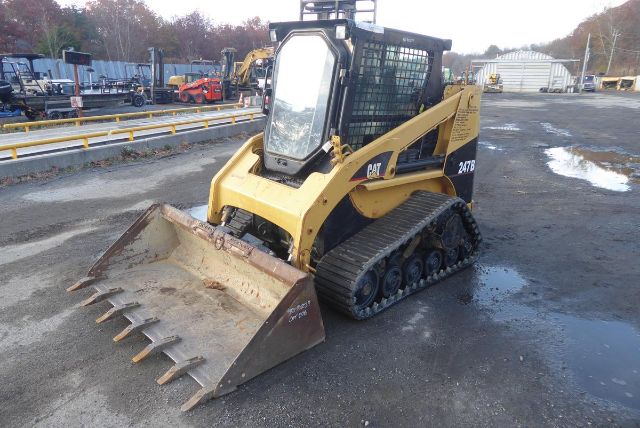
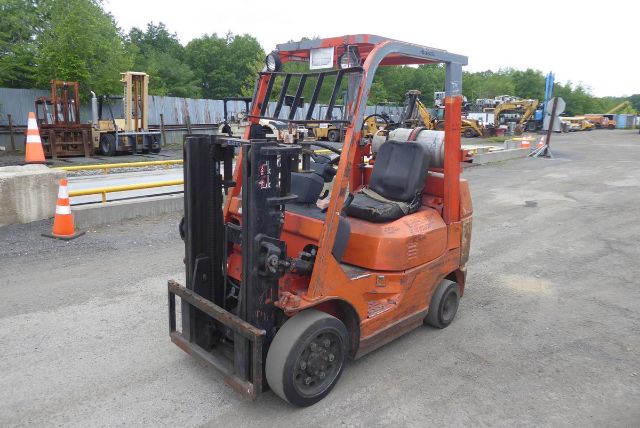
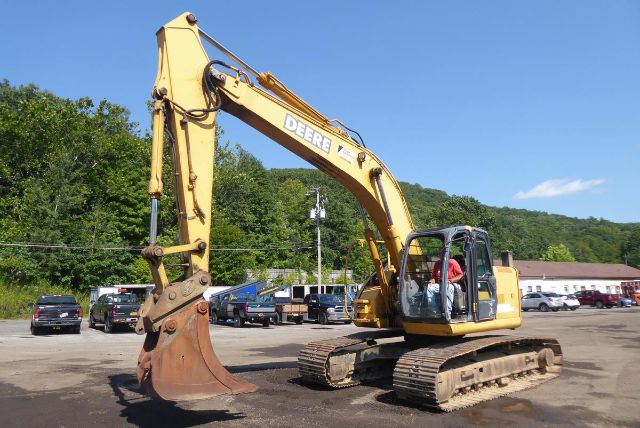
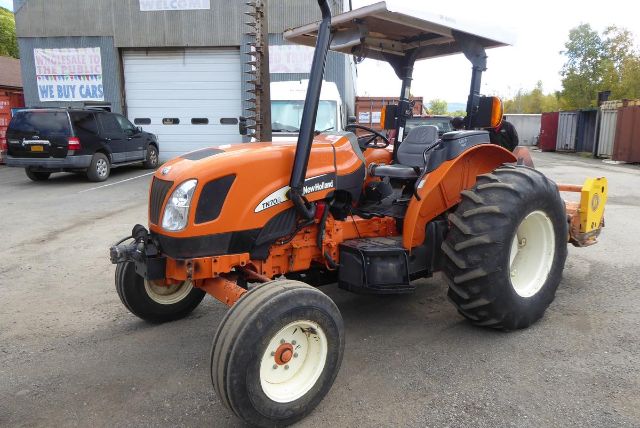
Have 2006 trucking equipment to sell? List it here to reach thousands of buyers.
About 2006 Trucking Equipment
Condition matters more than age in this category. Buyers should look closely at engine type, transmission configuration, tire condition, hydraulic performance, brake operation, mast or attachment wear, and any signs of cylinder leakage, structural repairs, or heavy corrosion. Hour meter readings, cold-start behavior, steering play, lift response, and driveline function all tell you more than the decal on the hood. For material handling equipment such as forklifts, common checkpoints include lift capacity, mast height, side shift or fork positioning capability, cushion versus pneumatic tires, and fuel type such as propane, diesel, or electric. For heavier support machines, pay attention to articulation points, bucket or fork attachment wear, quick coupler condition, and brake system type.
A 2006 unit can make sense for buyers who need dependable work equipment without paying late-model prices. That is especially true for yard use, warehouse loading, farm supply operations, cross-dock work, pallet handling, fleet maintenance facilities, and smaller contractors that need practical capacity more than the newest technology package. Buyers should also confirm the basics that directly affect usability on day one, including whether forks or attachments are included, overall height and width for door clearance, machine weight for transport, and the availability of replacement parts for the make and model. If the equipment will support CDL operations, confirm compatibility with your existing loading processes, trailer deck heights, and yard layout.
The best 2006 trucking equipment purchases are usually the ones with clear maintenance records, straightforward specifications, and no mismatch between the machine and the job. A lower-cost unit with solid tires, a healthy hydraulic system, and a proven powertrain can outperform a newer machine that has deferred maintenance or expensive electronic issues. Buyers comparing older equipment should focus on real operating condition, attachment fit, and repairability. That approach usually leads to better uptime and a more predictable total cost of ownership.
Frequently Asked Questions
Is 2006 trucking equipment still a good buy for commercial use?
Yes, 2006 trucking equipment can still be a practical commercial purchase if condition, maintenance history, and parts availability are solid. Many buyers target this age range because the purchase price is lower and some equipment from this era uses simpler mechanical systems than newer models. The key is verifying that the machine starts cleanly, operates correctly under load, and does not show major hydraulic, driveline, or structural problems that would erase the initial savings.
What should I inspect first on used 2006 trucking equipment?
Start with the core systems that determine whether the unit can go straight to work. Check the engine or power source, transmission or hydrostatic drive, hydraulic cylinders and hoses, brakes, steering, tires, frame condition, and hour meter consistency. On lifting equipment, inspect mast wear, chain condition, carriage operation, tilt function, and attachment fitment. A strong inspection should also include fluid leaks, cold-start behavior, charging system performance, and any warning lights or known fault codes.
Are parts still available for most 2006 equipment models?
Parts availability depends on the manufacturer, model popularity, and engine family. Common brands and high-volume models usually have better aftermarket and OEM support, while low-production machines may require more sourcing time. Buyers should confirm availability for filters, brake components, hydraulic seals, tires, forks, mast rollers, electrical components, and engine service parts before purchase. This is especially important if the equipment will be used daily in a revenue-producing operation.
How do I know if an older forklift or support machine is correctly sized for my operation?
Match the equipment to the actual load, space, and duty cycle. For forklifts, confirm rated lift capacity, load center, mast height, lowered overall height, turning radius, tire type, and fuel source. For larger support equipment, verify operating weight, attachment dimensions, transport requirements, and ground conditions where it will be used. A machine that fits your heaviest routine load, your tightest aisle or yard space, and your maintenance capabilities will usually deliver the best value.