
New Truck Body Only - Flatbed Truck Parts For Sale
New flatbed truck bodies for work trucks, with steel decks, bulkheads, hoists, and body specs suited for hauling equipment and materials.
Learn moreBrowse Truck Body Only - Flatbed Truck Parts by Make
Have new truck body only - flatbed truck part to sell? List it here to reach thousands of buyers.
About New Truck Body Only - Flatbed Truck Parts
The body structure matters as much as the deck size. Buyers should look closely at longsills, crossmembers, and rear structure, especially if the truck will carry compact equipment, skid steers, palletized product, or dense material. Many work-oriented flatbeds use structural channel or tubing understructure, with crossmembers on tight centers for better floor support. A smooth steel plate floor is common on severe-duty bodies, while tread plate and wood floor options can also appear depending on the application. Bulkhead height and reinforcement are important if the body will see shifting cargo, and features like pipe top rails, web gussets, stake pockets, rub rails, and weld-on winches can make a major difference in day-to-day usability.
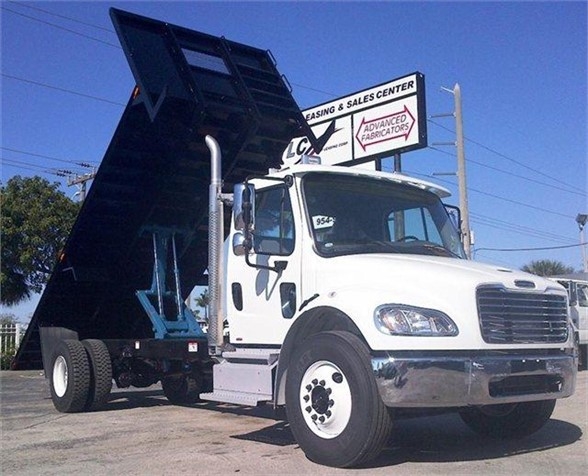
A buyer also needs to separate a standard flatbed from a dump-style flatbed body. Some truck body only listings in this category are built as flatbed dump bodies with a hoist, hinge assembly, PTO compatibility, rear mud flap brackets, and ICC bumper placement designed around dump function. If the body is being installed on a medium-duty chassis such as a Freightliner M2, axle placement, cab-to-axle measurement, frame height, and clearances behind the cab all need to line up with the body design. Details like walk-behind cab platforms, frame-mounted tool baskets, lighting placement, back-up alarms, and tow hooks should be reviewed before purchase because they affect both installation cost and field use.
For buyers comparing new flatbed truck parts and body assemblies, the main value is getting a platform that matches the truck's GVWR, wheelbase, and intended load profile without requiring major rework after delivery. A well-built flatbed body should have clean mounting provisions, durable paint or coating, compliant lighting, and tie-down hardware suited to the freight. If the body will be used in construction, utility work, landscaping, or equipment delivery, prioritize deck strength, cargo securement options, and serviceability over cosmetic extras. Also known as a flatbed body or platform body, this equipment class is simple by design, but the right body spec can improve payload handling, loading speed, and long-term durability.
Frequently Asked Questions
What should I check first when buying a new flatbed truck body only?
Start with chassis compatibility. The body length, width, cab-to-axle measurement, wheelbase, frame height, and intended GVWR all need to match the truck it will be installed on. After that, review the understructure, floor thickness, crossmember spacing, bulkhead design, and mounting method. Those details determine how well the body will hold up under real loads and how much installation work will be required.
What is the difference between a standard flatbed body and a flatbed dump body?
A standard flatbed body is a fixed platform for hauling cargo, equipment, and materials. A flatbed dump body adds a hoist, hinge point, and PTO-driven hydraulic system so the deck can raise and dump material or equipment support loads. A dump-style flatbed is more complex and requires closer attention to frame mounting, hoist capacity, rear clearance, and hydraulic compatibility with the chassis transmission.
Why do crossmember spacing and floor thickness matter on a flatbed truck body?
Crossmember spacing and floor thickness directly affect deck strength, rigidity, and resistance to concentrated loads. Tight crossmember spacing helps support forklift traffic, pallet loads, and compact equipment without excessive flex. A thicker steel floor generally lasts longer in severe-duty service, especially when chains, buckets, or steel materials are regularly dragged or dropped on the deck. These are key specs for buyers who need durability rather than a light-duty platform.
What cargo securement features are common on a new flatbed truck body?
Common securement features include stake pockets, rub rails, weld-on winches, strap guides, D-rings, and reinforced side rails. Some bodies also include heavy-duty bulkheads, grab handles, and integrated lighting inside the rails for protection. The right setup depends on the freight. Equipment haulers may want chain tie-down points and reinforced deck edges, while building material haulers often focus on strap-friendly securement and easy side access.
Are steel flatbed bodies better than other materials?
Steel flatbed bodies are usually preferred for hard commercial use because they offer high strength, good weldability, and better resistance to concentrated point loading. They are heavier than aluminum, but they generally hold up better in construction, utility, and severe-duty applications. Buyers focused on maximum durability, hoist integration, and long service life often choose steel, while weight-sensitive operations may compare lighter alternatives depending on payload priorities.