
Truck Parts For Sale in Pennsylvania
Browse truck parts for sale in Pennsylvania, including engines, transmissions, axles, body parts, wheels, brakes, and electrical components.
Learn morePopular Truck Parts Categories
Have truck part to sell? List it here to reach thousands of buyers.
About Truck Parts in Pennsylvania
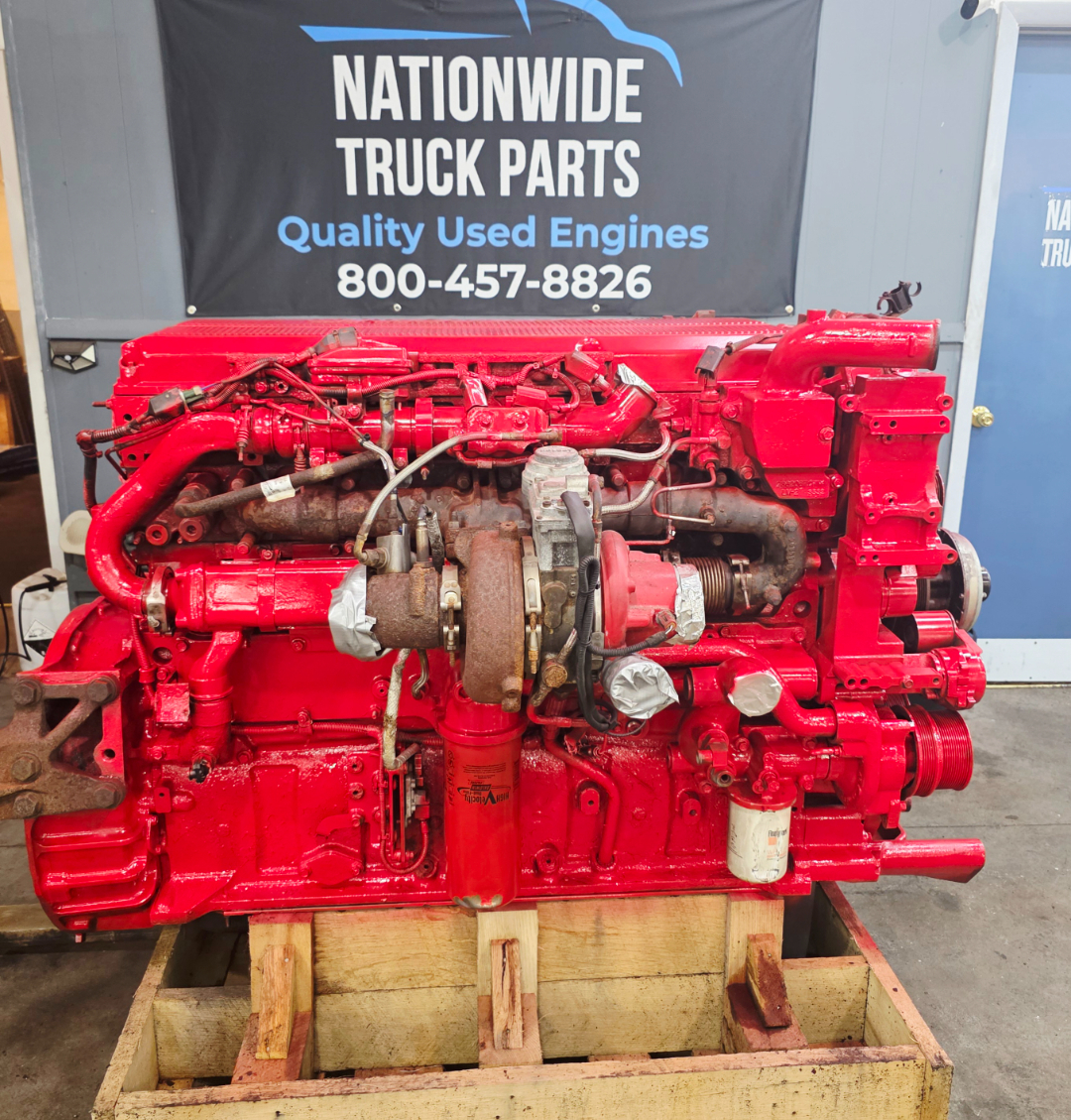
The biggest divide is usually between powertrain parts and chassis or body parts. Engines, transmissions, differentials, rear ends, clutches, PTO components, and ECMs need careful attention to serial numbers, calibration, mileage or hours, and warranty terms. Chassis parts such as suspension components, steering gears, axles, air dryers, brake chambers, hubs, drums, rotors, and wheel-end parts are often easier to source across multiple OEMs, but buyers still need to confirm axle capacity, brake type, ABS configuration, and hub-pilot or stud-pilot wheel setup. For cab and body parts, check hood style, bumper configuration, door shell fit, lighting connectors, fairings, and paint condition if appearance matters.
Pennsylvania buyers often shop truck parts with uptime and freight lane support in mind. A fleet running Mack, Peterbilt, Kenworth, Freightliner, International, Volvo, or Western Star trucks may prioritize common service parts that can be turned quickly, while owner-operators may focus on value in used or rebuilt assemblies. In rust-belt conditions, corrosion on brackets, crossmembers, wiring, air tanks, and fasteners deserves a close look, especially on used take-off parts. Salvage and recycled truck parts can be a practical option for hoods, doors, sleepers, interior pieces, frame sections, and rear axle assemblies, provided the part numbers and condition are verified before installation.
Strong listings in this category usually include OEM or casting numbers, donor truck information, mileage, ratio tags, photos of connectors and mounting faces, and notes on damage or prior repairs. That level of detail helps buyers compare compatible truck parts across multiple listings and reduces the risk of ordering the wrong component. For many operations, the right part is the one that balances acquisition cost, labor time, and expected service life, not just the lowest price on the page.
Frequently Asked Questions
What information should I verify before buying a used truck part?
Start with the OEM part number, casting number, and the donor truck's make, model, year, VIN, engine, and transmission details. For electronic components, confirm software or calibration compatibility. For drivetrain parts, verify gear ratios, spline counts, housings, and mounting points. For body and cab parts, compare connector style, bracket location, and overall dimensions. Good fitment data prevents returns and avoids downtime caused by ordering a part that looks right but will not install correctly.
Are used and rebuilt truck parts a good option for heavy-duty trucks?
They can be, depending on the component and the operating demands of the truck. Used take-off parts often make sense for body panels, interior pieces, axle housings, and some suspension or chassis items when condition is clearly documented. Rebuilt parts are commonly chosen for engines, transmissions, turbochargers, steering gears, injectors, and differentials because wear items can be replaced and tested. The key is to review condition reports, rebuild documentation, and warranty coverage instead of comparing price alone.
Which truck parts usually require the most careful compatibility checks?
Electronic modules, engines, transmissions, aftertreatment components, rear differentials, and brake system parts usually need the closest review. ECMs, DPF and SCR components, sensors, and wiring harnesses can vary by emissions level and software. Transmissions and differentials must match ratios, yoke setup, and application. Brake components need the correct chamber size, drum or rotor dimensions, and ABS configuration. These categories have the highest risk of hidden mismatch.
What should buyers in Pennsylvania look for when evaluating used truck parts?
Corrosion is a major consideration in Pennsylvania, especially on brackets, fasteners, electrical connectors, frame-related parts, and air system components exposed to winter road treatment. Buyers should inspect photos closely for rust scale, pitting, broken mounting ears, damaged threads, and prior weld repairs. On body parts, check the lower edges of doors, cab corners, hood mounts, and support structure. On electrical parts, moisture intrusion and corroded terminals can create problems even when the part appears complete.
Is it better to buy OEM truck parts or aftermarket truck parts?
OEM truck parts generally offer the most predictable fit and compatibility, especially for electronic systems, emissions components, and critical powertrain applications. Aftermarket parts can lower cost and work well for many maintenance items such as brakes, lights, filters, suspension parts, and some steering components, provided the brand has a solid reputation. The best choice depends on how critical the part is, how long the truck will stay in service, and whether exact fitment or lower acquisition cost is the top priority.