
Engine Truck Parts For Sale in Pennsylvania
Browse engine truck parts for sale in Pennsylvania, including diesel components, assemblies, cooling parts, fuel systems, and accessories.
Learn more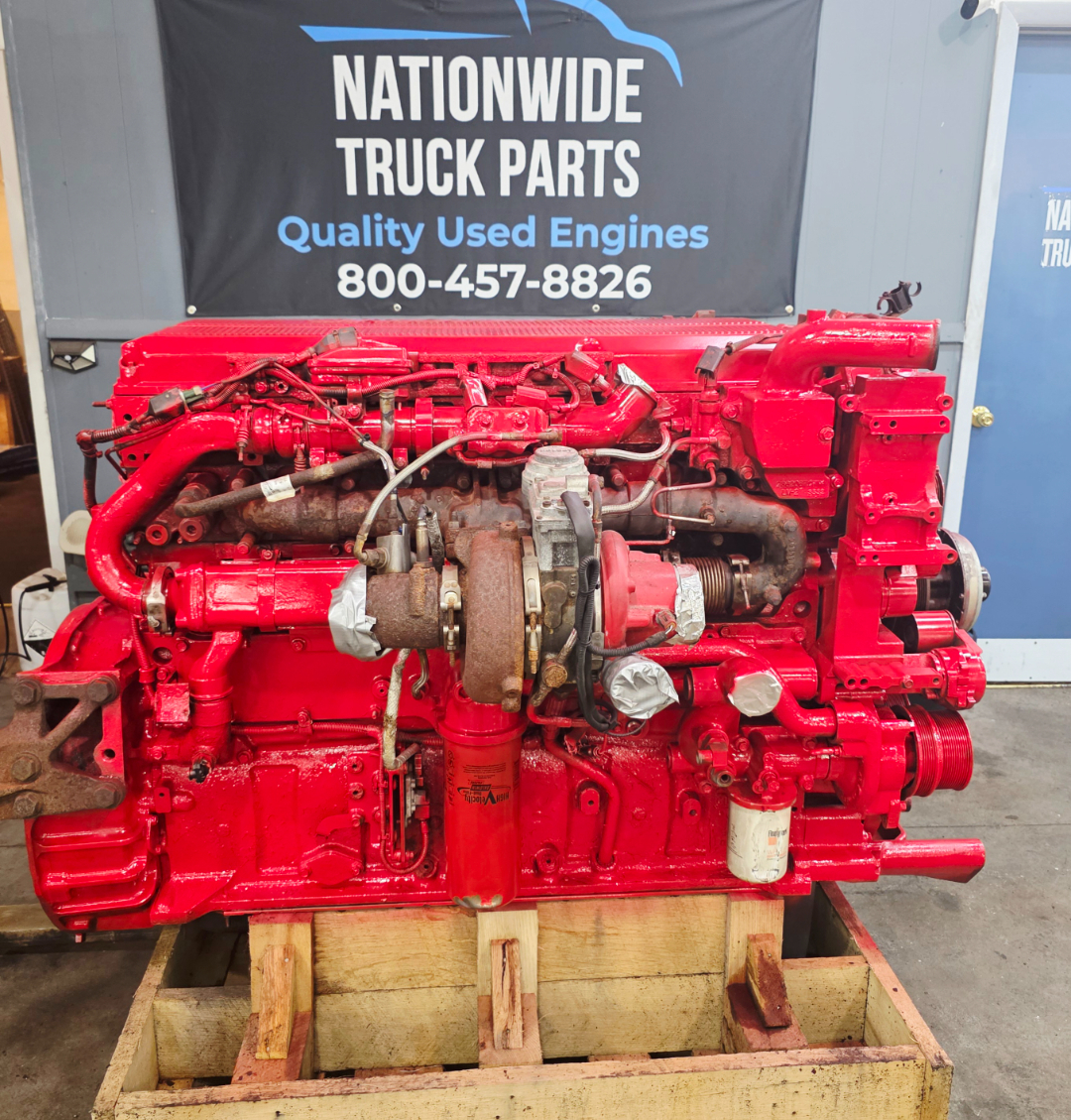
Have engine truck part to sell? List it here to reach thousands of buyers.
About Engine Truck Parts in Pennsylvania
The biggest decision is often between a complete engine assembly and individual replacement parts. A complete take-out engine can make sense when the existing engine has multiple failures or high hours, while a targeted repair may only require a cylinder head, turbocharger, fuel pump, wiring harness, aftertreatment-related engine hardware, or front-end accessory component. Common diesel platforms in this market include Cummins, Detroit, Caterpillar, Paccar, International, Mack, and Volvo engines, each with their own known wear points and emissions-era differences. Buyers should verify mileage or hours when available, compression or oil analysis data if offered, and the condition of critical wear items such as liners, bearings, camshafts, injectors, manifolds, and cooling passages.
For used engine parts, inspection details matter. Look closely at casting numbers, harness connectors, mounting pads, gear train configuration, sensor ports, and signs of overheating or contamination. On complete assemblies, ask if the engine is a runner take-out, if it was test-run before removal, and what components are included with the sale. Some assemblies come dressed with turbo, air compressor, starter, alternator, and wiring, while others are sold as a bare long block or short block. If emissions compliance is a concern, especially on later-model on-highway trucks, confirm compatibility of EGR, DPF-related engine hardware, and ECU programming requirements before purchase.
Pennsylvania fleets and owner-operators often balance repair speed against total lifecycle cost, so availability of common replacement components can be as important as upfront savings. A lower-cost used part may still be the right buy if it matches exactly and can be installed quickly, but high-failure items like injectors, turbos, and electronic controls deserve extra scrutiny. Engine parts buyers should also factor in core requirements, warranty terms, and shipping considerations for heavy assemblies such as complete engines, heads, and flywheel housings. The best engine part is not simply the cheapest unit on the page. It is the component that matches the engine serial data, fits the truck’s application, and returns the truck to service without creating another repair two weeks later.
Frequently Asked Questions
How do I make sure a used engine part will fit my truck?
The most reliable way to confirm fitment is to match the engine serial number, engine family, and where applicable the CPL, ESN, or other manufacturer-specific build data. Truck make and model alone are often not enough because the same chassis may have multiple engine ratings, emissions packages, sensor layouts, or accessory configurations. Casting numbers, tag information, and connector style should also be checked before purchase.
Is it better to buy a complete take-out engine or individual engine parts?
That depends on the failure. A complete take-out engine is often the better value when the original engine has major internal damage, excessive blow-by, or multiple worn systems at once. Individual parts make more sense when the failure is isolated to a turbo, head, injector set, front cover, fuel component, or another single subsystem. Buyers should compare total installed cost, including labor, fluids, programming, and any downtime tied to waiting on additional parts.
What should I inspect when buying used diesel engine parts?
Start with visible condition and identification details. Check for cracked castings, damaged threads, corrosion, overheating marks, oil or coolant contamination, broken mounting ears, and signs of prior poor-quality repairs. On electronic parts, verify connector integrity and part numbers. On major assemblies, ask about test results, mileage or hours, and whether the part came from a running truck. The more documentation available, the lower the risk.
Are emissions-related engine parts interchangeable between model years?
Not always. Emissions-era diesel engines can change significantly by year, even within the same engine family. EGR hardware, sensors, wiring, turbo configurations, injectors, and ECM calibrations may differ between pre-emissions, EGR-only, DPF, and SCR setups. Buyers should confirm exact compatibility before installation, especially on later-model highway trucks where a mismatch can trigger fault codes, derates, or programming issues.
What are the most common engine truck parts replaced on heavy-duty diesel trucks?
Frequently replaced items include turbochargers, injectors, cylinder heads, water pumps, oil coolers, EGR valves, EGR coolers, fuel pumps, sensors, wiring harnesses, exhaust manifolds, front gear housing components, and complete or partial engine assemblies. Demand usually follows engine platform, mileage, maintenance history, and duty cycle. Regional haul, construction, and stop-and-go work often accelerate wear on cooling, fuel, and emissions-related components.