
Hood Truck Parts For Sale in New York
Shop hood truck parts in New York. Compare fiberglass and steel hoods by fit, weight, grille style, lighting, and OEM compatibility.
Learn more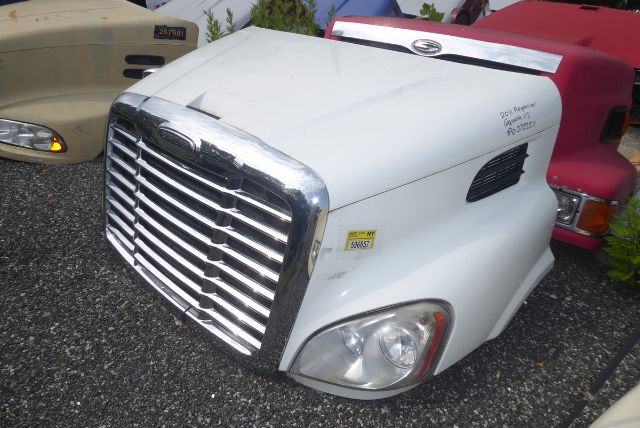
Have hood truck part to sell? List it here to reach thousands of buyers.
About Hood Truck Parts in New York
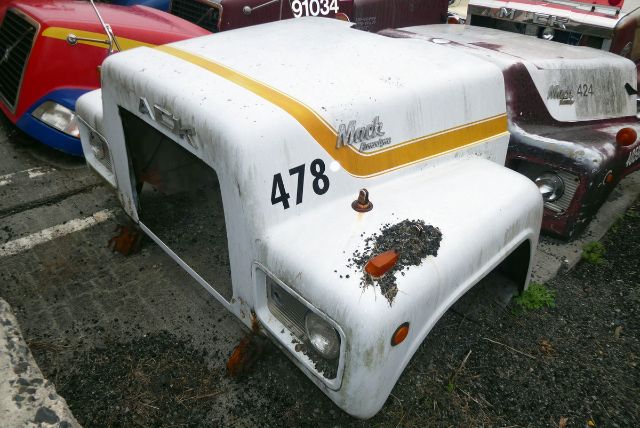
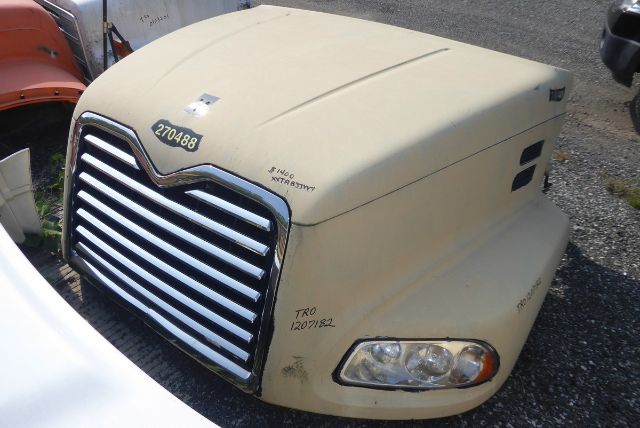
Material choice matters. Fiberglass hoods are common because they are lighter than steel, resist corrosion, and are widely used in aftermarket replacement applications. Steel hoods can offer a different repair profile and factory feel on certain models, but they add weight and can be more prone to rust in road-salt states like New York. It is also important to confirm whether the hood is a complete assembly, a shell only, or a take-off with some hardware included. Hinges, hood springs, latches, safety catches, mounting brackets, grille surrounds, and headlight buckets are not always included, and missing hardware can change the true installed cost.
Fitment details usually matter more than paint condition. Buyers should verify OEM part numbers when possible and check for compatibility with bumper set-back, axle position, BBC length, and any aerodynamic package tied to the cab. Common damage points include the lower corners, hinge mounts, latch area, and stress cracks around fasteners on fiberglass units. For used or take-off hoods, inspect inner bracing, bonding points, and alignment at the cowl and fenders. For new replacement hoods, ask about primer finish, gel coat quality, reinforcement at mounting points, and whether the part is CAPA-certified or built to an OEM-equivalent standard.
For fleets and owner-operators in New York, corrosion exposure, winter road debris, and downtime are practical concerns. A hood that bolts up cleanly and accepts the correct grille, headlights, and seals can save days in the body shop. If the truck is a common long-haul aero model, availability of aftermarket fiberglass hoods is usually strong. If it is a vocational, medium-duty, or older platform, exact front-end configuration becomes even more important. A good hood replacement should restore access, appearance, and front-end function without forcing modifications to adjacent panels or lighting.
Frequently Asked Questions
How do I make sure a replacement truck hood will fit my truck?
The safest approach is to match the hood by make, model, model year, and OEM part number, then confirm front-end details such as headlight style, grille opening, hinge location, and bumper relationship. Some trucks changed hood design within the same generation, so visual similarity is not enough. If available, compare VIN-based parts data and photos of mounting points, inner bracing, and lighting cutouts before buying.
Is a fiberglass truck hood better than a steel hood?
Fiberglass is the most common choice for replacement truck hoods because it is lighter, does not rust, and is widely available for aerodynamic highway tractors. Steel can be desirable on certain applications for OE feel or repair preference, but it is heavier and more vulnerable to corrosion, especially in northern climates. The better choice depends on the truck model, expected duty cycle, and whether you want OEM-style construction or a cost-effective aftermarket replacement.
What is usually included with a truck hood assembly?
That varies widely by seller and by part source. Some hoods are sold as bare shells, while others may include grille inserts, headlight surrounds, insulation, hinges, or latch hardware. Many do not include all mounting components, and lighting assemblies are often sold separately. Buyers should confirm exactly what comes with the hood so the final repair does not stall over missing brackets, catches, or trim pieces.
What should I inspect on a used truck hood before buying?
Look closely at hinge mounts, latch areas, lower corners, and all inner reinforcement points. On fiberglass hoods, check for spider cracks, previous repairs, delamination, and stress around fasteners. Make sure the hood sits square, has no twist, and shows no damage that would affect panel gaps at the cowl, fenders, or bumper. Cosmetic flaws are common, but structural damage and poor alignment can turn a low-cost hood into an expensive installation.
Are aftermarket truck hoods a good option for fleet repairs?
Aftermarket hoods can be a strong option when they are built to OEM-equivalent dimensions and reinforced properly at mounting points. They are especially common for fleet repairs on popular highway tractors where replacement speed and cost control matter. The key is to verify fitment, finish quality, and compatibility with existing grille, lights, seals, and hardware. A well-made aftermarket hood can reduce downtime without sacrificing function.