
New Dump Body Truck Parts For Sale
Shop new dump body truck parts including steel and aluminum dump bodies for landscape, trash, chipper, and municipal truck builds.
Learn moreBrowse Dump Body Truck Parts by Make
Have new dump body truck part to sell? List it here to reach thousands of buyers.
About New Dump Body Truck Parts
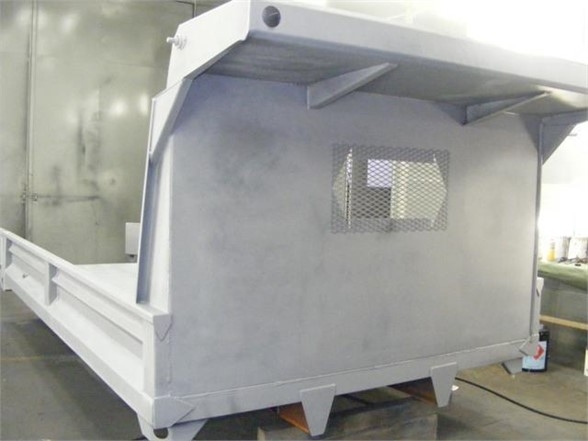
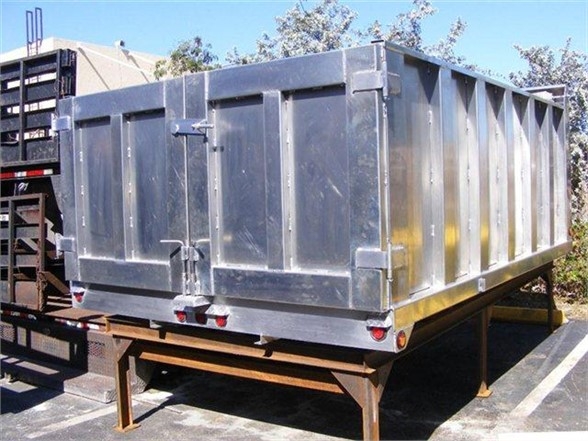
Body length, wall height, and floor thickness should match the work cycle. Common dump body lengths include 10 to 16 feet, with 12-foot and 14-foot bodies often used on landscaping and municipal chassis. Side heights can range from low-profile sides for material loading to tall sides and enclosed tops for chipper and refuse applications. Buyers should pay close attention to deck thickness, crossmember spacing, longsill design, and bulkhead construction. A 3/16-inch floor, closely spaced channel crossmembers, and reinforced barn doors are typical indicators of a body built for repeated loading and dumping. Features like cab protectors, bulkhead windows, V-stamped panels, sloped sides, and interlocking roof designs can also affect durability and day-to-day usability.
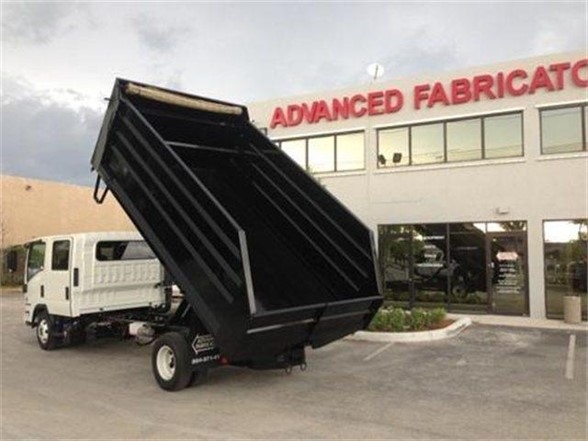
Hoist setup and rear access matter as much as the body shell. Many dump bodies are paired with electric-over-hydraulic hoists for medium-duty applications, while heavier builds may use different hoist and subframe configurations depending on chassis capacity and operating demands. Barn doors, coal chutes, spreader gates, and chain-controlled tailgate functions all change how the truck unloads. Manual or crank tarp systems remain common, especially on landscape and debris bodies, and hitch packages with receiver tubes and trailer plugs are frequently added on contractor trucks that tow support equipment. Lighting should meet FMVSS 108 requirements, and mud flaps, steps, and grab handles are small items that make a big difference in daily service.
For buyers comparing dump body truck parts, fitment is critical. Confirm cab-to-axle length, frame height, axle ratings, and hoist compatibility before selecting a body. It is also worth checking whether the listing price covers the body only or includes installation, hoist, tarp, lighting, and finish work. A properly matched dump body can improve payload, shorten cycle times, and hold up better under the exact material being hauled. Also known as a dump truck body or dump bed, this equipment category covers everything from low-side contractor bodies to high-side chipper and trash bodies built for specialized hauling.
Frequently Asked Questions
What is the difference between a steel dump body and an aluminum dump body?
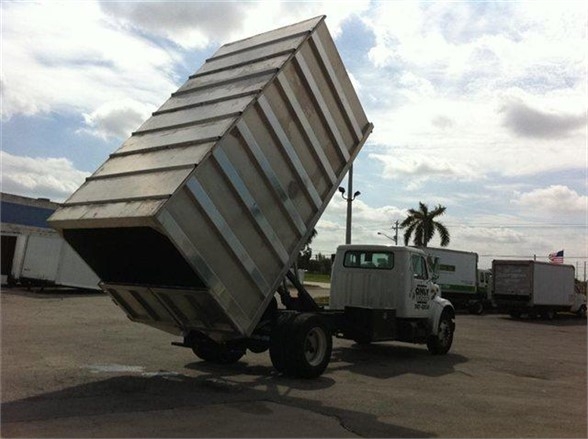
Steel dump bodies are generally chosen for abrasive or high-impact material such as gravel, broken concrete, asphalt, and mixed construction debris. They offer strong resistance to dents and concentrated loads. Aluminum dump bodies weigh less and resist corrosion better, which makes them a strong fit for mulch, brush, trash, leaves, and chipper applications where payload and rust resistance are priorities. The right choice depends on the material hauled, expected loading method, and chassis GVWR.
What dump body length is most common for medium-duty trucks?
Twelve-foot and fourteen-foot dump bodies are common on medium-duty truck chassis because they balance payload, maneuverability, and body capacity. A 10-foot body may suit tighter urban or municipal work, while a 16-foot body is more common for higher-volume chipper or debris service. The correct length depends on cab-to-axle measurement, axle placement, and how much rear overhang the chassis and body manufacturer allow.
What features matter most when comparing new dump bodies?
Buyers should focus on floor thickness, side construction, crossmember spacing, longsill size, hoist compatibility, and tailgate style before looking at cosmetic details. A heavier floor and tighter crossmember spacing usually indicate a body designed for harder use. Side height, bulkhead design, tarp system, hitch package, and lighting package should also match the intended work. For debris and chipper service, barn doors, tall sides, and roof options can be just as important as the hoist itself.
Do dump body listings usually include installation and hoist components?
Not always. Many listings in this category are priced for the dump body only, and installation, hoist, subframe, tarp system, electrical work, and paint may be separate. Some body packages are fabricated and installed as a complete upfit, while others are sold as body-only components for a custom build. Buyers should verify exactly what is included so the final installed cost is clear before purchase.
How do I know if a dump body will fit my truck chassis?
Fitment starts with the truck's cab-to-axle dimension, frame rail width, axle ratings, and intended body length. Buyers also need to confirm clearance for the hoist, subframe, hitch, and rear tire travel, especially on trucks that will see uneven jobsite conditions. Matching the body to the chassis is not just about mounting length. It also affects weight distribution, legal axle loading, dump angle, and long-term durability.