
New Advanced Fabricators Dump Body Truck Parts For Sale
New Advanced Fabricators dump body truck parts with aluminum and steel body options for trash, landscape, chipper, and material hauling.
Learn more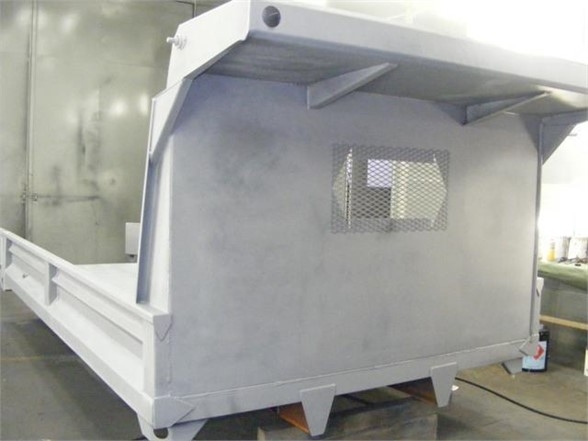
Have new advanced fabricators dump body truck part to sell? List it here to reach thousands of buyers.
About New Advanced Fabricators Dump Body Truck Parts
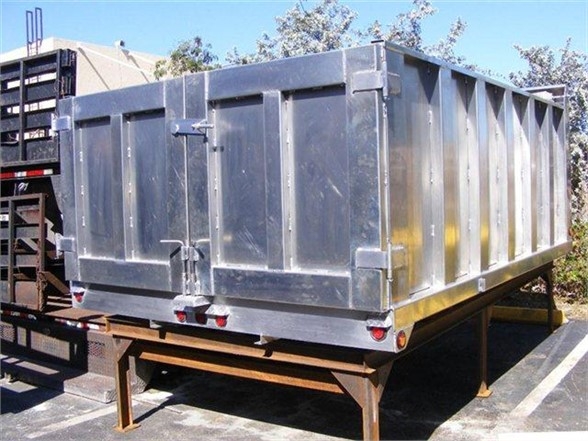
Construction details tell you how a dump body will hold up in daily service. Buyers should pay attention to deck thickness, side wall gauge, crossmember spacing, and longsill size. Listings in this category commonly show 3/16 in. decks, channel crossmembers on 12 in. or 16 in. centers, and heavier channel longsills as body length increases. Side configurations vary from lower 48 in. sides on trash or landscape bodies to 72 in. high-side chipper bodies with enclosed tops. Barn doors, bulkheads with or without windows, cab protectors, mud flaps, tarp systems, and FMVSS 108 lighting are all common spec points that affect day-to-day usability and compliance.
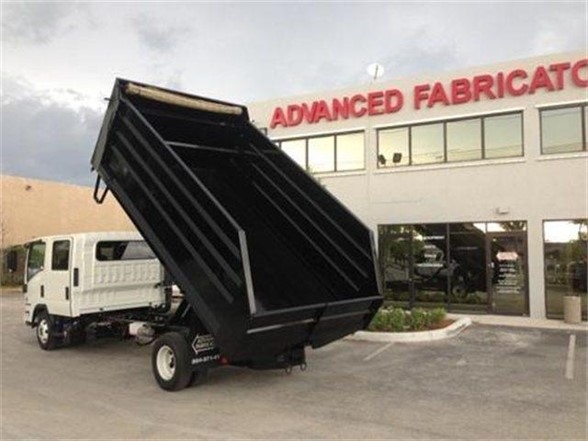
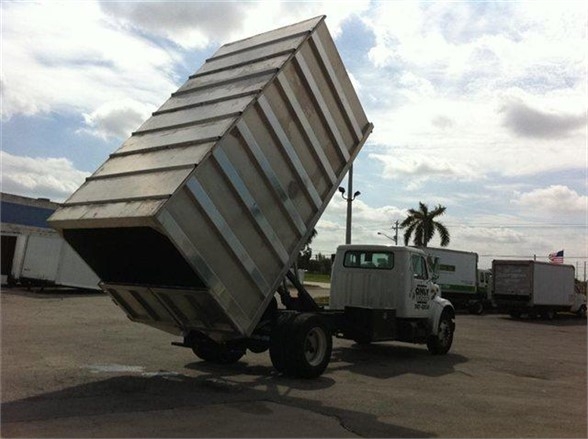
Application matters as much as build. A landscape dump body often uses sloped sides, lower barn doors, and tarp coverage for mulch, soil, and mixed debris. A trash dump or high-side aluminum body is better suited for light but bulky loads where cubic capacity matters more than payload density. Chipper dump bodies, also known as arborist or tree service dump bodies, typically add very tall side walls and roof structures to contain brush and wood chips. If the body is going on an existing truck, confirm CA dimension, frame compatibility, hoist clearance, and rear hitch needs before purchase. Electric-over-hydraulic hoists are common on this type of body and can simplify installation on many chassis.
A new Advanced Fabricators dump body is usually evaluated on fit, payload strategy, and service life. Look closely at smooth plate versus stamped panels, door framing, post layout, and tarp design, because those details affect rigidity and cleanup time. Buyers replacing a worn body should also consider how the new body changes axle loading, center of gravity, and usable volume. For contractors, tree crews, and municipalities, the right dump body can improve loading efficiency, reduce corrosion-related downtime, and give the truck a setup that matches the route and material instead of forcing the job to fit the body.
Frequently Asked Questions
What is the difference between an aluminum and steel dump body?
Aluminum dump bodies are lighter and more corrosion-resistant, which helps when hauling leaves, trash, brush, or other lower-density materials where legal payload and rust prevention matter. Steel dump bodies usually cost less up front and handle abrasion and impact well, making them common for landscaping, demolition debris, and heavier material service. The right choice depends on payload goals, operating environment, and the type of material being loaded every day.
What body length is most common for a dump body truck part?
Common dump body lengths in this category are 12 ft, 14 ft, and 16 ft. A 12 ft body is often used on shorter wheelbase chassis for tight urban or municipal work. A 14 ft body is a versatile middle ground for landscape and general contractor use. A 16 ft body is typically chosen when cubic capacity is the priority, especially for chipper, trash, and light bulk materials. The correct length must match the truck’s cab-to-axle measurement and frame layout.
What should I check before installing a new dump body on my truck?
The key checks are cab-to-axle dimension, frame rail width, axle placement, hoist mounting space, and intended rear overhang. Buyers should also verify bulkhead height, cab protector clearance, lighting requirements, and whether the truck needs a hitch, brake plug, or tarp system. If the body is replacing an existing unit, compare body weight and floor height to avoid unwanted changes in center of gravity or axle loading.
What features are important on a high-side or chipper dump body?
High-side and chipper dump bodies need enough wall height and structural support to contain bulky material without flexing. Buyers should look for strong posts, adequate crossmember spacing, a durable roof or top structure when specified, and doors that open wide enough for unloading brush and chips. Aluminum construction is common in this segment because it keeps body weight down while maximizing volume on tree service and municipal cleanup trucks.
Are tarp systems and barn doors standard on dump bodies?
Many dump bodies are equipped with manual crank tarp systems and rear barn doors, but the exact design varies by application. A tarp helps retain loose material and can improve road compliance during transport. Barn doors are practical for brush, trash, and landscape work because they allow controlled unloading and rear access. Buyers should still confirm tarp length, door height, chain retention, and hinge construction because those details affect daily operation.