
Dump Body Truck Parts For Sale in Florida
Shop dump body truck parts and body components for hauling debris, landscape material, gravel, scrap, and municipal loads.
Learn moreBrowse Dump Body Truck Parts by Make
Have dump body truck part to sell? List it here to reach thousands of buyers.
About Dump Body Truck Parts in Florida
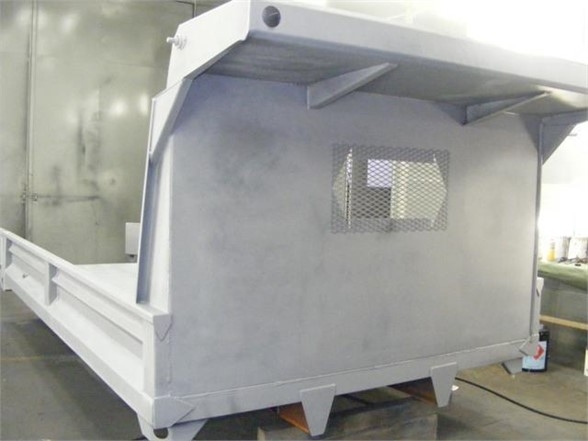
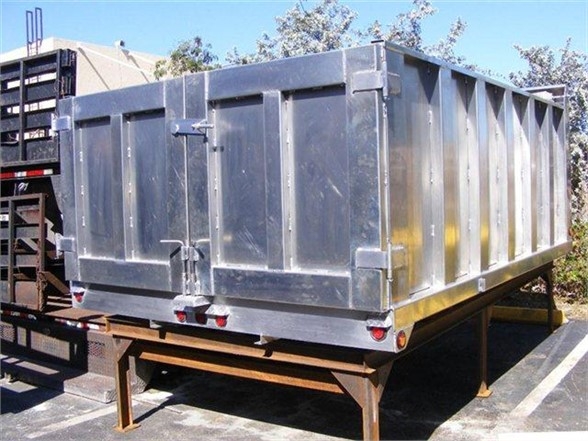
Body size and wall configuration matter as much as material. Common lengths in this category include 12-foot, 14-foot, and 16-foot bodies, often built on an 8-foot-wide platform with crossmembers on 12-inch or 16-inch centers. Landscape and debris bodies may use higher side walls, barn doors, cab protectors, and tarp systems to contain bulky material. Contractor-style dump bodies usually focus more on deck strength, longsill design, bulkhead construction, and hoist compatibility. Buyers should pay close attention to floor thickness, side sheet gauge, crossmember spacing, and whether the body uses smooth plate, formed panels, or stamped reinforcement, since those details affect durability, empty weight, and repair costs.
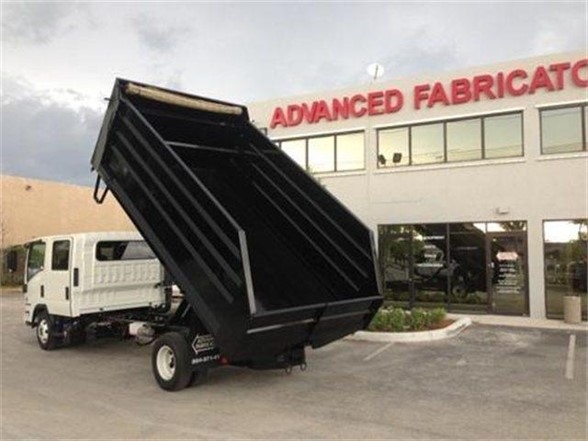
Hoist setup is another major buying point. Electric-over-hydraulic hoists are common on medium-duty dump body applications because they simplify installation and work well for municipal, landscape, and general contractor use. Hinge design, cylinder capacity, and body-to-chassis mounting geometry all affect dumping angle and long-term reliability. Tailgate style also changes how the body works in the field. Barn doors are useful for brush, trash, and chip loads, while spreader or combination gates can be better for aggregate and paving support. In Florida, corrosion resistance, sealed lighting, and tarp coverage deserve extra attention because of humidity, salt exposure, and year-round use.
A good dump body setup is not just about length and side height. Buyers should also confirm cab-to-axle fit, frame rail compatibility, hitch provisions, mud flaps, FMVSS 108 lighting, and any needed accessories such as grab handles, side steps, or receiver hitches. If the body will be used for tree service, storm cleanup, landscaping, or municipal debris, high-capacity side walls and roofed chipper configurations can be more productive than a standard open dump. If the truck will carry dense material every day, a heavier steel floor, stronger longsills, and a proven hoist package usually make more sense than chasing the lightest body possible.
Frequently Asked Questions
What is the difference between an aluminum dump body and a steel dump body?
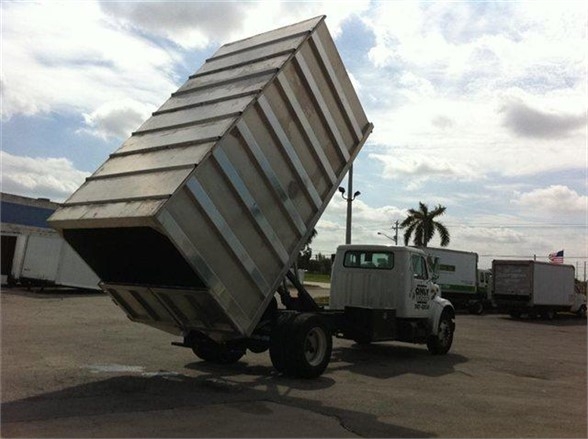
Aluminum dump bodies are lighter and usually chosen when payload and corrosion resistance are priorities. They are common in trash, chipper, and landscape applications where the load is bulky but not highly abrasive. Steel dump bodies are heavier but generally better for severe-duty work such as gravel, asphalt, concrete rubble, and demolition debris. The right choice depends on what the truck hauls most often, how much loader contact the body will see, and how important tare weight is to the operation.
What dump body length is most common for medium-duty truck applications?
Twelve-foot, fourteen-foot, and sixteen-foot dump bodies are all common, with the best length depending on chassis wheelbase, cab-to-axle dimension, and intended use. A 12-foot body can be a practical fit for tighter urban work and shorter wheelbase trucks. Fourteen-foot bodies are popular for general contractors and landscapers because they balance capacity and maneuverability. Sixteen-foot bodies are often used for chipper, debris, and light bulk material applications where cubic capacity matters more than compact size.
Which tailgate style is best for a dump body?
Barn doors are widely used on landscape, trash, and tree service bodies because they make it easier to unload bulky material and improve rear access. A traditional top-hinged or spreader-style tailgate is often a better fit for gravel, sand, and similar material that needs controlled discharge. Some buyers prefer combination gate setups for more flexibility. The best choice depends on whether the truck handles loose aggregate, demolition debris, brush, or mixed municipal loads.
What should I check before installing a dump body on a truck chassis?
The most important checks are cab-to-axle measurement, frame rail width, axle ratings, tire clearance, hoist fitment, and overall body weight versus payload target. Buyers should also confirm lighting requirements, rear underride considerations where applicable, PTO or electric-over-hydraulic compatibility, and any hitch or trailer plug provisions needed for the job. Proper body-to-chassis matching affects dump angle, load distribution, and service life as much as the body construction itself.
Are tarp systems important on dump bodies in Florida?
Yes. Tarp systems are important for load retention, road safety, and compliance, especially when hauling yard waste, storm debris, mulch, or loose material. In Florida, a tarp also helps protect loads from sudden rain and reduces blow-off on high-speed roads. Manual crank tarps are common on straightforward dump body builds, while more frequent stop-and-go operations may benefit from easier-access or upgraded tarp system designs.