
Advanced Fabricators Dump Body Truck Parts For Sale in Florida
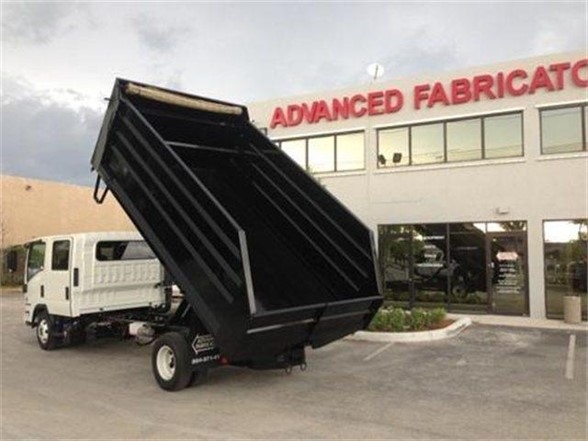
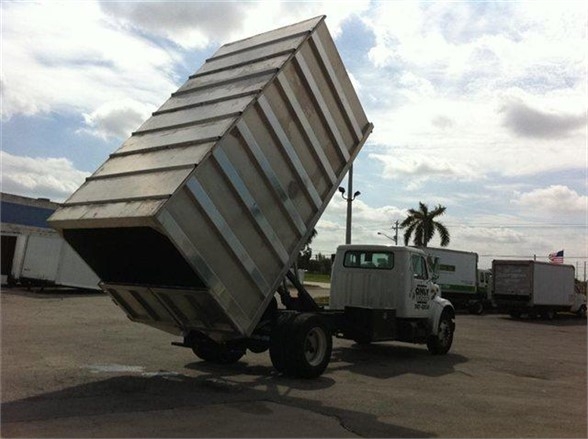
Shop Advanced Fabricators dump body truck parts for hauling debris, aggregate, trash, and landscape material with steel or aluminum body options.
Learn more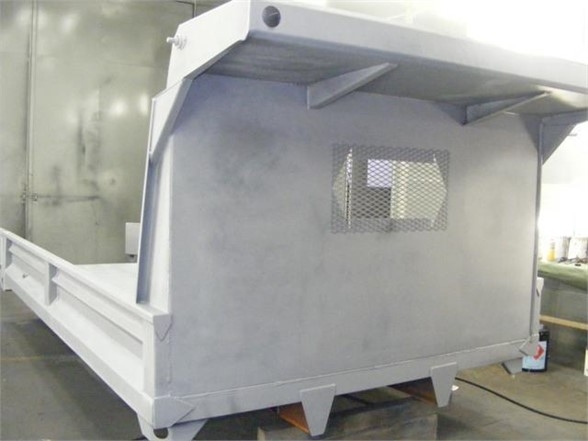
Have advanced fabricators dump body truck part to sell? List it here to reach thousands of buyers.
About Advanced Fabricators Dump Body Truck Parts in Florida
Body construction details matter more than the brand decal. A serious buyer should look closely at floor thickness, side wall gauge, crossmember spacing, and longsill size. Listings in this class commonly show 3/16-inch decks, channel crossmembers on 12-inch or 16-inch centers, and longsills sized to match the intended load profile. Higher side walls, such as 48-inch or 72-inch sides, are common on trash and chipper bodies where cubic capacity is more important than dense payload. Lower side configurations and reinforced floors make more sense for dirt, rock, mulch, or mixed jobsite material. Bulkhead design, cab protectors, V-stamped panels, and smooth plate construction also affect durability, visibility, and how well the body sheds material.
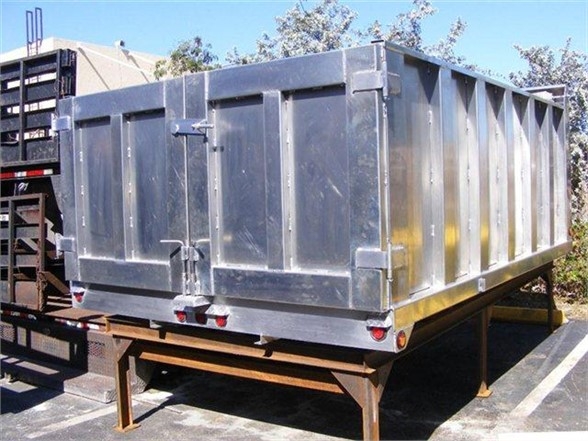
Rear access and tarp setup should match the truck’s daily work cycle. Barn doors with chain holdbacks are common on dump bodies used in landscape, debris, and storm cleanup work because they allow controlled unloading and easier backing to a pile. Chipper bodies may add enclosed tops or roof sections to contain lighter material. Manual crank tarps are common on lighter-duty builds, while electric-over-hydraulic hoists such as Venco systems are often specified when faster cycle times or higher-use duty cycles are expected. Buyers should also verify hitch provisions, receiver tubes, 7-way plugs, mud flaps, lighting compliance, and body-to-chassis compatibility, since body-only listings still require correct frame length, CA dimension, hoist subframe fitment, and hydraulic or electric power integration.
For Florida operators, corrosion resistance, paint quality, sealed lighting, and drainage are worth extra attention. A dump body that looks similar on paper can perform very differently depending on weld quality, reinforcement layout, and how well the doors, bulkhead, and tarp system are built. Advanced Fabricators bodies in this category are generally aimed at municipal, landscaping, tree service, debris, and light construction work, so the right choice comes down to material type, side height, and unloading style more than raw body length alone. Buyers comparing listings should focus on payload goals, material type, chassis match, and how often the body will cycle in a normal day.
Frequently Asked Questions
What is the difference between a steel dump body and an aluminum dump body?
Steel dump bodies are typically chosen for heavier, more abrasive materials like dirt, gravel, concrete debris, and demolition waste because they resist impact and concentrated loads well. Aluminum dump bodies are lighter, which can increase legal payload and improve fuel efficiency, and they also offer strong corrosion resistance in humid or coastal environments. The tradeoff is that aluminum bodies are usually better suited to trash, chipper, leaf, and landscape applications than repeated severe-duty aggregate hauling.
What side height is best for a dump body?
The right side height depends on whether the truck is hauling by weight or by volume. Lower side walls are generally better for dense materials because they keep center of gravity lower and reduce the temptation to overload the body. Taller sides, such as 48-inch or 72-inch configurations, are common for leaves, brush, chips, and light debris where cubic capacity matters more than material density. Buyers should match side height to the actual material stream, not just choose the tallest body available.
Why does crossmember spacing matter on a dump body?
Crossmember spacing affects floor support, body rigidity, and long-term durability. Tighter spacing, such as 12-inch centers, generally provides better support for the floor and is beneficial when the body sees repeated loading from skid steers, loaders, or dense material. Wider spacing can be adequate for lighter-duty service, but it may not hold up as well under constant high-weight cycles. When comparing listings, crossmember spacing should be evaluated alongside floor thickness and longsill size.
What should I verify before buying a body-only dump body listing?
A body-only dump body must match the truck chassis it will be installed on. Buyers should confirm frame rail width, cab-to-axle dimension, axle capacity, tire clearance, hoist compatibility, and whether the truck has the hydraulic or electric-over-hydraulic power system needed to operate the body. It is also important to check rear lighting, hitch requirements, tarp fitment, and any subframe needs so the body can be installed without major fabrication changes.
Are barn doors the best rear door setup for a dump body?
Barn doors are a common and practical choice for landscape, trash, and debris work because they allow easy loading of bulky material and controlled unloading when chained open. They are especially useful when backing up to brush piles or when material needs to be dumped without a full tailgate swing. For dense material or faster repetitive dump cycles, some buyers may prefer other tailgate configurations, but barn doors remain one of the most versatile rear access setups in this category.