
Used Vantage Trailers For Sale
Browse used Vantage trailers, including aluminum end dumps and pneumatic tank trailers, with specs, applications, and buying tips.
Learn moreBrowse Vantage Trailers by Category
Have used vantage trailer to sell? List it here to reach thousands of buyers.
About Used Vantage Trailers
On the dump side, many buyers look first at body length, axle configuration, and gate style. Common used examples include 28-foot and 39-foot frameless aluminum end dumps, usually with tandem, closed tandem, or spread axle layouts. Top-hinge gates are common for controlled discharge, and many trailers are equipped with air ride suspension, electric or manual tarps, liners, rear fenders, and side ladders. A frameless design saves tare weight and can improve payload, but buyers should inspect the body, draft arms, crossmember structure, hinge area, hoist saddle contact points, and upper rail for cracking, distortion, or weld repairs. If the trailer has been used in abrasive material service, liner condition and floor wear deserve close attention.
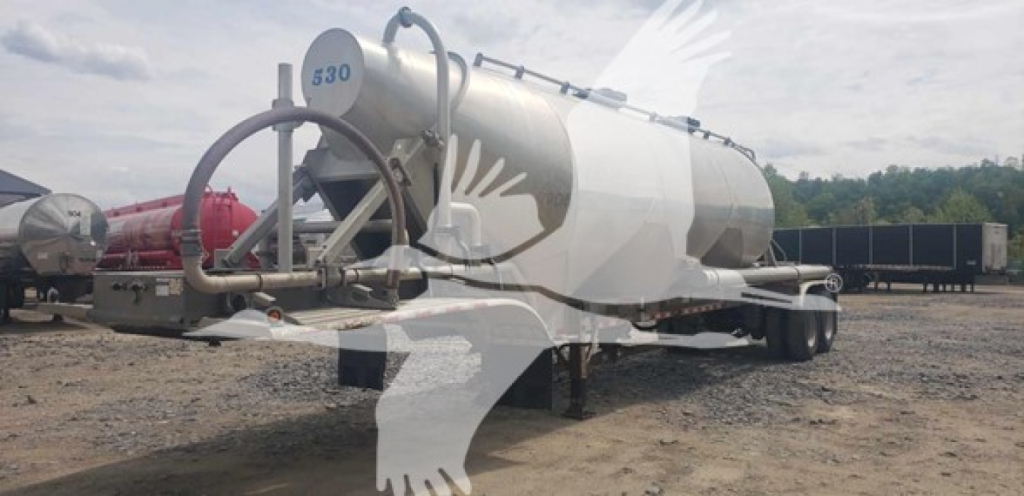
For used Vantage pneumatic tank trailers, cubic foot capacity, plumbing layout, and vessel condition drive value. A typical aluminum pneumatic tank may be around 48 feet long with capacities near 1,000 cubic feet, often with multiple hoppers, pressure manholes, hose tubes, and 4-inch piping. Buyers should verify the tank has the right number of compartments or hoppers for the intended product, and should inspect discharge plumbing, valves, aeration system components, pressure relief devices, and the condition of the commodity piping. On any dry bulk trailer, remaining wall thickness, prior patching, pressure integrity, and the condition of suspension, brakes, wheels, and tires are just as important as the nameplate specs.
Across used Vantage trailers, aluminum construction is a major selling point because it helps keep empty weight down and corrosion resistance up. The tradeoff is that repair history matters. Look closely for fatigue around suspension mounts, kingpin area, landing gear structure, and subframe attachment points. Tire size such as 11R22.5 or 11R24.5, wheel material, brake type, axle spacing, and suspension spec all affect how well the trailer fits a regional haul, transfer fleet, or plant-to-jobsite operation. A good used Vantage trailer is less about model year and more about previous application, maintenance discipline, and whether the trailer's configuration matches the material you haul every day.
Frequently Asked Questions
What types of used Vantage trailers are most common on the market?
The most common used Vantage trailers are aluminum frameless end dumps and pneumatic dry bulk tank trailers. End dumps are typically used in aggregate, construction, scrap, and milling work where low tare weight and fast unloading matter. Pneumatic tanks are used for dry bulk commodities like cement, lime, fly ash, and sand that require sealed transport and air-assisted discharge.
What should I inspect first on a used Vantage end dump trailer?
Start with the structure and wear areas that take the most stress. On a Vantage end dump, that includes the body floor, sidewalls, upper rail, hinge assembly, hoist area, suspension mounts, and kingpin section. Check for cracks, stretched metal, buckled panels, patch plates, and weld repairs. Also inspect the liner, gate operation, tarp system, brakes, tires, and air ride components, because these items directly affect daily operating cost and downtime.
What matters most when buying a used Vantage pneumatic tank trailer?
Capacity alone is not enough. Buyers should confirm cubic foot rating, hopper count, piping size, discharge layout, and the type of commodity the trailer previously hauled. The condition of the tank shell, manholes, aeration system, valves, hoses, and pressure components is critical. A used pneumatic trailer must also be checked for leaks, prior repairs, and overall vessel integrity, since product flow and unloading performance depend on the tank and plumbing being in sound condition.
Are Vantage aluminum trailers a good choice for payload-sensitive work?
Yes. Aluminum construction is one of the main reasons buyers consider Vantage trailers for payload-sensitive applications. A lighter trailer can help maximize legal payload, especially in end dump and dry bulk service. The benefit is strongest in operations with frequent loading cycles and tight margins per ton, but buyers still need to balance weight savings against the trailer's repair history and the severity of its prior service.
How do axle setup and suspension affect a used Vantage trailer's value?
Axle configuration and suspension spec have a direct effect on legality, maneuverability, tire wear, and resale appeal. Tandem, closed tandem, spread axle, and lift axle setups all serve different hauling patterns and bridge law requirements. Air ride suspension is common and generally preferred for ride quality and load protection, but the condition of bushings, air bags, shocks, alignment, and brake components matters more than the label alone when evaluating a used trailer.