
Vantage Trailers For Sale
Browse Vantage trailers for sale, including aluminum end dump models with frameless designs, air ride suspensions, tarp systems, and tandem axles.
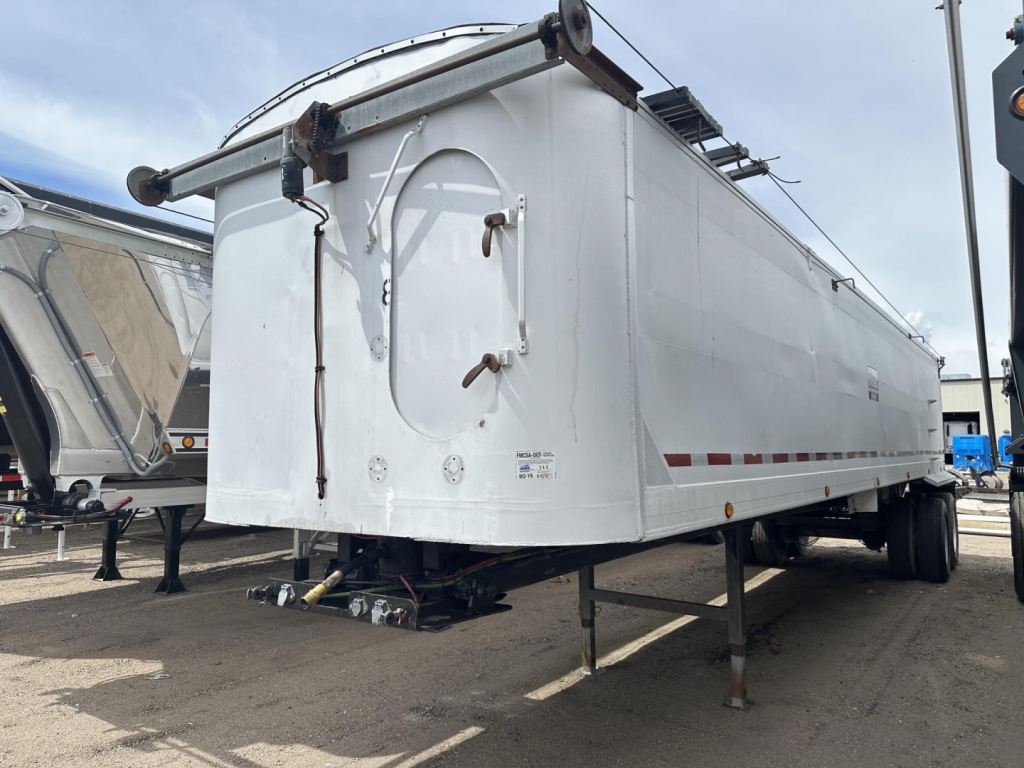
Selling a vantage trailer? List your vantage trailer for sale and reach thousands of commercial buyers.
Vantage Trailers
A frameless aluminum end dump is typically chosen to reduce tare weight and improve payload, but that decision should be matched to the type of work. Aluminum bodies can be a strong fit for sand, gravel, asphalt millings, and general construction material, especially when paired with a liner to protect the body and improve cleanout. Common specs on Vantage dump trailers include tandem axle layouts, air ride suspension, top hinge gates, and tarp systems that may be manual roll or electric slide types. Spread axle and axle lift configurations can also matter if bridge law, tire wear, or maneuverability are part of the operating equation. Tire size, wheel material, gate design, and suspension condition all deserve a close look because they directly affect daily operating cost and jobsite performance.
Gate and tarp setup are more important than many buyers expect. A top hinge gate is a common choice for mixed-material hauling because it gives flexibility on discharge and helps control flow with larger chunks or inconsistent loads. Electric tarps save time in frequent load cycles, while manual tarps can be simpler and cheaper to maintain. Features like side ladders, rear fenders, scuff protection, and bed liners add practical value, especially on older used trailers where condition matters more than base spec. On any used Vantage trailer, inspect hinge points, tub seams, crossmember areas, hoist mount structure, suspension components, and evidence of body distortion from off-level dumping.
For buyers comparing Vantage trailers against other dump trailer brands, the real question is job fit. A light aluminum frameless end dump can be a productive choice for operators who need strong payload and fast unload cycles, but it still has to match the commodity, route, and site conditions. Closed tandem versus spread axle, steel versus aluminum wheels, 11R22.5 versus 11R24.5 rubber, liner thickness, and gate style all affect how the trailer performs over time. The best Vantage trailer is usually the one with the right body length, suspension setup, and structural condition for the material you haul every day.
Frequently Asked Questions about Vantage Trailers
What type of Vantage trailers are most commonly found on the used market?
Vantage trailers are often seen as aluminum end dump trailers, especially frameless models used in aggregate, construction, and bulk material hauling. Common used-market configurations include tandem axle trailers in shorter 28-foot bodies and longer 39-foot bodies, often equipped with air ride suspension, top hinge gates, liners, and tarp systems. That combination is popular because it balances payload, durability, and unload speed.
Is a frameless aluminum Vantage end dump a good choice for heavy material?
It can be, but the answer depends on both material density and operating conditions. A frameless aluminum trailer helps reduce tare weight and increase legal payload, which is a major advantage with sand, gravel, millings, and similar commodities. Buyers should still consider liner condition, body integrity, and how the trailer has been used, because repeated heavy loading and off-level dumping can shorten the life of any lightweight dump trailer.
What should I inspect first on a used Vantage end dump trailer?
Start with the structure and the dump body. Look closely at the tub, seams, hinge area, rear frame, suspension mounts, and any high-stress points around the hoist and axle group. Then check the liner, gate operation, tarp system, brakes, tires, and wheel condition. Uneven tire wear, cracked welds, or signs of body twist can tell you a lot about how the trailer was maintained and whether it was regularly dumped on unstable ground.
What is the advantage of a top hinge gate on a Vantage dump trailer?
A top hinge gate offers good control when unloading mixed or chunky material and is a common setup on end dumps used in construction and aggregate work. It can help prevent sudden discharge compared with some other gate styles, and it allows the operator to manage flow more predictably. For buyers hauling demolition debris, riprap, or variable-sized material, gate style is a practical spec, not just a preference.
How do I choose between a 28-foot and 39-foot Vantage end dump?
Choose based on commodity, route, and site access. A 28-foot trailer is often better for heavier material and tighter jobsites where maneuverability matters. A 39-foot trailer generally offers more cubic capacity and may be better suited to lighter bulk materials where volume is the limiting factor. The right choice comes down to legal weight, turning space, dump location conditions, and how often you are loading dense versus light material.