
Vantage Pneumatic - Dry Bulk Trailers For Sale
Shop Vantage pneumatic dry bulk trailers built for sand, cement, fly ash, and other bulk materials. Compare capacities, hopper layouts, and specs.
Learn more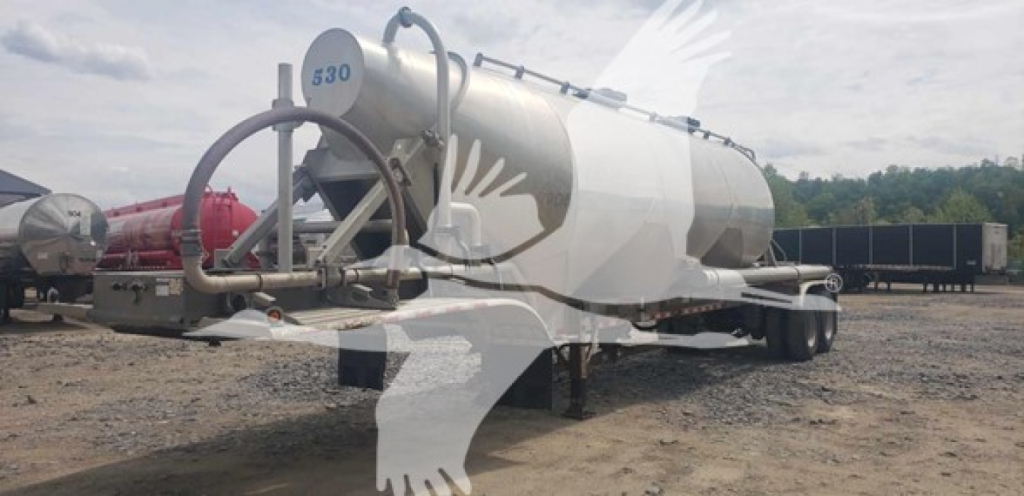
Have vantage pneumatic - dry bulk trailer to sell? List it here to reach thousands of buyers.
About Vantage Pneumatic - Dry Bulk Trailers
Capacity and product type should drive the buying decision first. A trailer around 1,000 cubic feet with two or three hoppers is a common setup for sand and other dense materials, while lighter products may call for different volume-to-weight balance. Hopper design, aeration system, flow cones, butterfly valves, top air, and pipe routing all affect unload speed and cleanout efficiency. Rear discharge hose storage, hose tube count, and frame-mounted gauges are practical details that matter in daily service, especially for operators working oilfield, construction material, or bulk commodity routes where turnaround time is important.
Running gear and chassis specs deserve close attention on any used Vantage dry bulk trailer. Tandem axle air ride suspension is a typical configuration, and buyers should confirm suspension setting, kingpin setting, brake condition, wheel material, tire size, and remaining tire life. Full aluminum fenders, rear ladders, air-lid manholes, landing gear condition, and fifth wheel plate wear all affect serviceability and operating cost. If the trailer has been hauling abrasive products such as sand, inspect the barrel, piping, tees, valves, and discharge components carefully for wear points. On pneumatic trailers, plumbing condition can matter as much as the tank itself.
A good Vantage pneumatic trailer is one that matches the commodity, blower setup, route profile, and customer unload requirements. Buyers should verify cubic capacity, legal payload expectations, compressor compatibility, number of manholes, and access for maintenance before narrowing down options. For fleets that need a dry bulk trailer with straightforward construction and field-proven commodity handling, Vantage remains a make worth evaluating closely in the used pneumatic trailer market.
Frequently Asked Questions
What products are Vantage pneumatic dry bulk trailers commonly used to haul?
Vantage pneumatic dry bulk trailers are commonly used for sand, cement, fly ash, lime, and other dry bulk commodities that can be unloaded with air pressure. Specific trailer setups vary by commodity because dense products like sand require a different capacity-to-payload balance than lighter powdered materials. Hopper design, aeration, and plumbing layout should match the product you plan to haul most often.
What should I inspect first on a used Vantage dry bulk trailer?
Start with the barrel, hoppers, piping, discharge components, and valves because these areas take the most wear in bulk service. Abrasive commodities can thin elbows, tees, butterfly valves, and lower piping over time. After that, check suspension, brakes, tires, wheels, landing gear, kingpin area, manholes, and any signs of repairs around mounts or structural attachment points.
How important is hopper count on a pneumatic dry bulk trailer?
Hopper count affects flow characteristics, unload efficiency, and how well the trailer handles certain commodities. A two-hopper or three-hopper layout is common, and the right choice depends on material density, angle of repose, and how completely the product needs to discharge. More hopper segmentation can help product move consistently, but overall plumbing design and aeration are just as important.
Are aluminum Vantage pneumatic trailers better than steel?
Aluminum barrels are popular because they reduce empty weight and can improve legal payload, which matters in bulk hauling. Steel is still widely used in high-wear areas such as piping, tees, and some structural components because it holds up well under abrasive service. The better choice is usually a balanced build that saves weight where possible and keeps durable materials where product wear is highest.
What specs matter most when comparing Vantage pneumatic dry bulk trailers for sale?
The key specs are cubic capacity, number of hoppers, barrel material, suspension type, axle configuration, kingpin setting, discharge system, and overall plumbing design. Buyers should also confirm manhole count, hose storage, top air setup, valve style, tire and brake condition, and whether the trailer is suited for the commodity it previously hauled. A trailer that matches your product and unload process will usually perform better than one chosen on capacity alone.