
Wabash Van Trailers For Sale
Browse Wabash van trailers with specs that matter, including DuraPlate construction, lengths, door styles, suspension, and logistics setup.
Learn more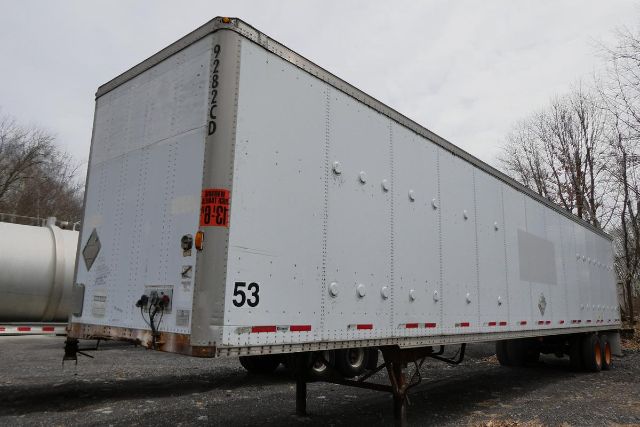
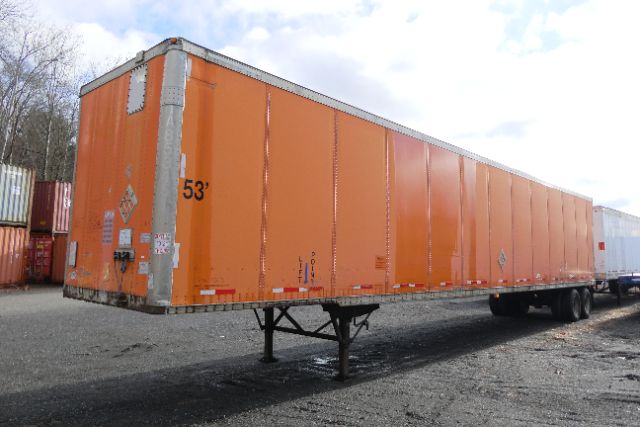
Showing 241 to 242 of 242 results
Have wabash van trailer to sell? List it here to reach thousands of buyers.
About Wabash Van Trailers
The biggest buying decisions usually come down to axle setup, suspension, rear door style, and interior cargo management. Sliding tandems matter if the trailer will run over the road and need bridge-law flexibility, while single-axle or fixed-axle vans make more sense in lighter regional or urban service. Spring ride is common on older fleet van trailers, though some buyers will prefer air ride for more cargo-sensitive freight. Rear swing doors are still popular for full dock access and straightforward maintenance, while roll-up doors are common on city and route equipment where repeated stops matter more than maximum rear opening. Inside, many Wabash vans are equipped with logistics posts, E-track, scuff liners or scuff plates, threshold plates, plywood lining, and vents, all of which affect how well the trailer fits retail, general dry freight, final-mile support, or high-touch LTL use.
Condition matters more on used van trailers than the badge on the nose. Buyers should pay close attention to roof condition, especially on older translucent or aluminum roof panels, along with signs of leaks, patched corners, floor soft spots, wall delamination, and rear frame wear around the door surround. On a Wabash, check crossmembers, landing gear mounts, slider box wear, upper coupler plate condition, and door hardware closely. Tire size is commonly 22.5 low-pro rubber on steel disc wheels, and brake spec will usually be standard air brakes. If the trailer has side skirts, verify condition and mounting points, since damaged aero equipment can become a recurring maintenance item.
For freight haulers, warehouse distributors, and private fleets, a Wabash dry van can be a practical trailer class because service shops know them, replacement parts are widely understood, and resale demand tends to stay steady when the structure is sound. The right trailer depends less on model code and more on freight profile, lane mix, dock environment, and how heavily the interior has been worked. A 53-foot logistics-equipped van with sliding tandems fits standard truckload freight. A 28-foot single axle with a roll-up door fits city deliveries and doubles service. Buyers comparing Wabash van trailers should focus on usable cubic capacity, empty weight, floor life, door opening dimensions, and structural condition before deciding which listing is the best fit.
Frequently Asked Questions
What is a Wabash van trailer best suited for?
A Wabash van trailer is generally suited for dry freight, packaged goods, palletized shipments, retail freight, and general truckload or regional distribution work. Depending on length and door style, these trailers can also fit LTL, P&D, warehouse transfer, and doubles applications. The most common use is standard dry van freight where weather protection, dock compatibility, and efficient cube utilization matter more than open-deck loading access.
What should I inspect first on a used Wabash dry van trailer?
Start with the roof, floor, sidewalls, rear frame, and running gear. Look for leaks, soft wood flooring, cracked or patched roof panels, wall damage from forklifts, and excessive wear around the door surround and threshold. Then inspect the tandem slider rails, suspension, brakes, tires, wheels, landing gear, and kingpin area. Structural condition and cargo-worthiness usually matter more than cosmetic appearance on a used van trailer.
Are Wabash DuraPlate trailers different from standard sheet-and-post vans?
Yes. Wabash DuraPlate trailers use a laminated composite panel design instead of a traditional sheet-and-post sidewall construction. This design is known for durability and can reduce maintenance in certain fleet applications, especially where trailers see frequent loading cycles and sidewall abuse. Buyers still need to inspect for impact damage, repairs, and delamination, but DuraPlate is a recognized construction type in the dry van market.
Is a roll-up door or swing door better on a Wabash van trailer?
It depends on the job. Swing doors usually provide the best full-width rear opening and are often preferred for dock loading, forklift access, and long-haul truckload work. Roll-up doors are convenient for route delivery, city work, and frequent stops because they stay out of the way during unloading. The tradeoff is that roll-up doors can reduce rear opening height and may involve more maintenance in high-cycle service.
What lengths are common for Wabash van trailers?
The most common length in the market is 53 feet for standard over-the-road dry van service, but Wabash vans are also found in 28-foot, 40-foot, and 45-foot configurations. Shorter trailers are often used in urban delivery, pup trailer, or doubles service, while 53-foot vans remain the standard for maximizing pallet count and cubic capacity in truckload freight.