
Used Wabash Van Trailers For Sale in New York
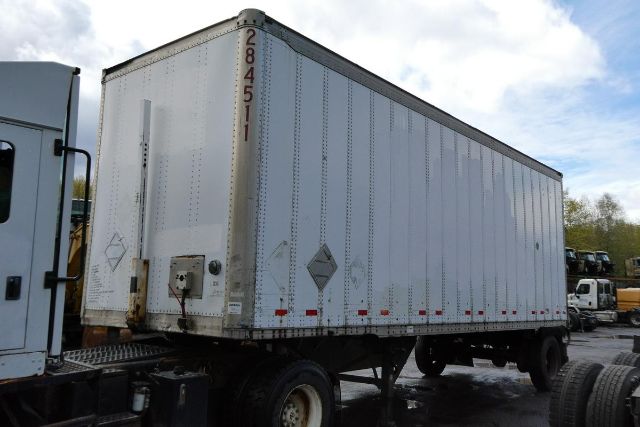
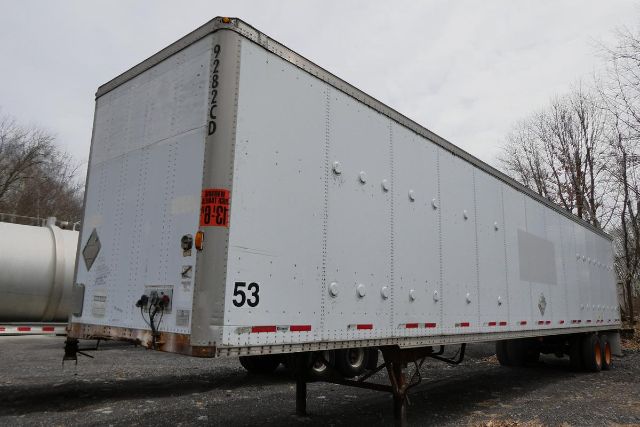
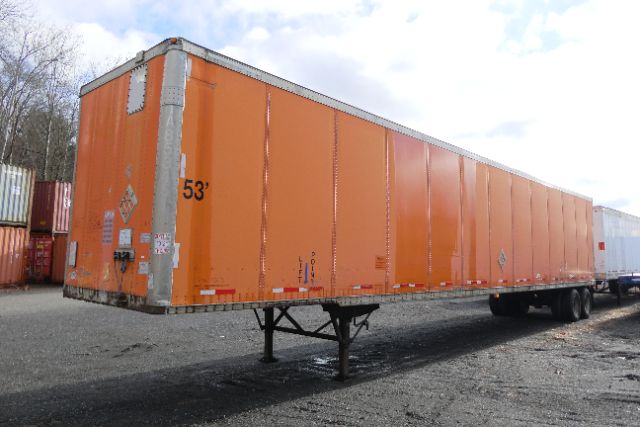
Shop used Wabash van trailers in New York. Compare 28' to 53' dry vans, tandem axle setups, roof types, floors, doors, and cargo specs.
Learn more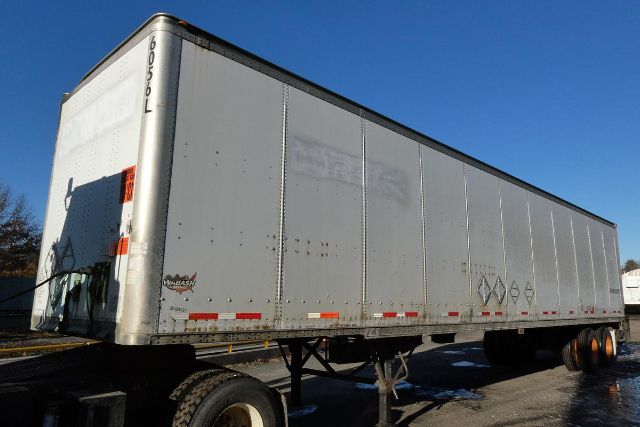
Showing 121 to 124 of 124 results
Have used wabash van trailer to sell? List it here to reach thousands of buyers.
About Used Wabash Van Trailers in New York
A lot of used Wabash van trailers are built with aluminum and steel construction, often paired with wood floors reinforced by steel components. That combination gives buyers a good balance of durability, repairability, and tare weight. Common specs in this class include air ride or spring suspension, air brakes, and either fixed or slideable tandems. Slideable tandems are especially important for operators who need bridge law flexibility, dock positioning options, or better weight distribution across different freight profiles. On used units, floor condition, crossmember integrity, roof condition, and rear frame wear deserve close attention because these areas tell you how the trailer was loaded and how hard it worked.
Door style is another major decision point. Roll-up rear doors are common on city and multi-stop trailers because they keep the door contained above the opening and reduce the chance of door damage at tight docks. Swing doors can offer a slightly cleaner full-height opening, but many urban and LTL-focused buyers prefer roll-up designs for convenience. Buyers should also watch for useful spec details such as translucent or aluminum roofs for interior visibility, side skirts for fuel-efficiency programs, side windows on specialty route units, and scuff-related wear inside the body. On older vans, inspect the header, hinges, door tracks, threshold, and ICC bumper area carefully, since those are frequent repair points.
For most buyers comparing used Wabash dry vans, the real value is in matching trailer configuration to freight and lane. A 53-foot tandem van is the standard choice for general freight and warehouse distribution, while 28-foot pups are better suited for doubles operations, terminal work, and dense urban deliveries. Check the kingpin setting, swing clearance, inside height, door opening height, tire size, and suspension type against your tractors, docks, and commodity mix. A used Wabash van trailer with a sound floor, straight rear frame, clean roof, and properly tracking axles can still be a strong revenue trailer long after the original fleet cycle ends.
Frequently Asked Questions
What should I inspect first on a used Wabash van trailer?
Start with the floor, crossmembers, rear frame, roof, and suspension. Those areas reveal most of the trailer’s work history. A worn floor from concentrated forklift traffic, patched crossmembers, roof leaks, cracked rear sill components, or uneven axle alignment can turn a low purchase price into a costly repair cycle. Also inspect the door operation, brake system, tire wear pattern, and signs of previous sidewall or nose damage.
Are slideable tandems important on a used Wabash dry van?
Yes, for many operations they are. Slideable tandems help with axle weight distribution, bridge law compliance, and dock approach flexibility. In states and lanes where weight compliance is tight, a sliding tandem gives the driver more options than a fixed tandem setup. If your operation is local and consistent, a fixed axle trailer may be fine, but most over-the-road and mixed-freight buyers prefer slideable tandems for versatility.
What lengths are common for used Wabash van trailers?
The most common length is 53 feet, which is the standard for general freight and full-size dry van work. You will also see 45-foot vans and 28-foot pups. A 45-foot trailer can fit certain route or regional applications where turning radius or terminal space matters. A 28-foot pup is commonly used in doubles service, LTL networks, and urban distribution. The right length depends on freight volume, route density, and the tractor-trailer combinations in your fleet.
What construction details matter most on an older Wabash van trailer?
Pay attention to the roof material, floor composition, sidewall condition, and the balance of aluminum and steel in the trailer body. Aluminum helps reduce empty weight, while steel adds strength in high-stress areas. On an older trailer, look for corrosion around steel components, loose or damaged scuff areas, soft floor sections, and prior repairs at the nose, rear frame, or upper coupler. A structurally sound older trailer is often a better buy than a newer unit with hidden body fatigue.
Is a roll-up door better than swing doors on a used van trailer?
It depends on the job, but roll-up doors are often favored for route delivery, city work, and busy dock environments. They are convenient in tight spaces because the door stays within the trailer body when open. The tradeoff is that worn tracks, springs, and panels can become maintenance items on high-cycle trailers. Swing doors can provide a cleaner opening and fewer moving parts in some cases, but they need clearance behind the trailer and are more exposed to damage at crowded docks.