
New Vanguard Van Trailers For Sale
New Vanguard van trailers for sale, including 53-foot dry van specs, VXP composite and sheet-and-post builds, air ride, sliding tandems, and dock-ready options.
Learn more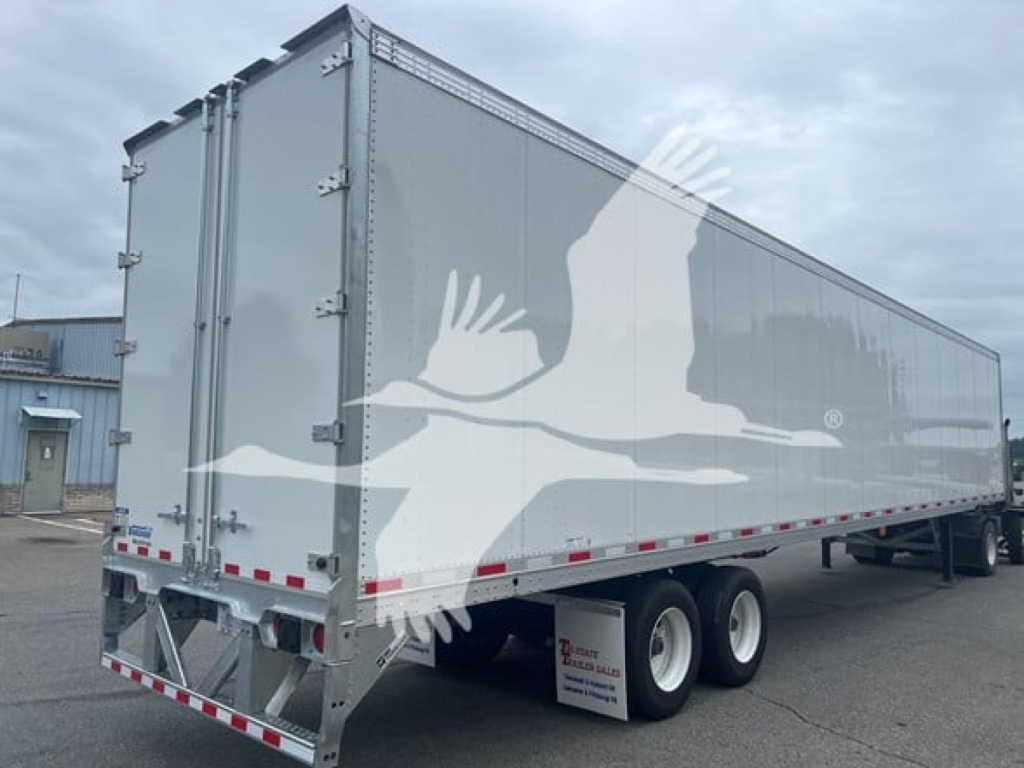
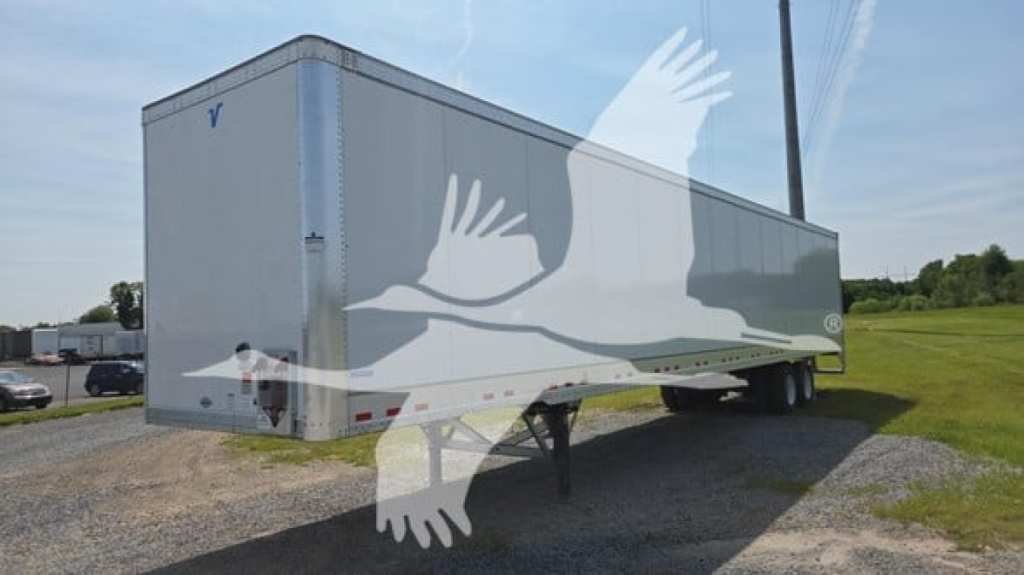
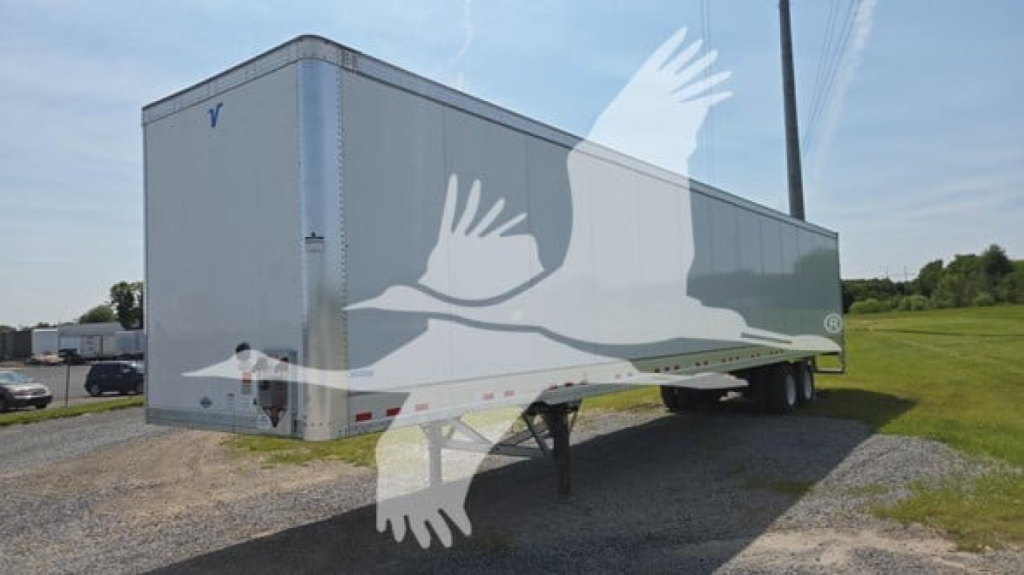
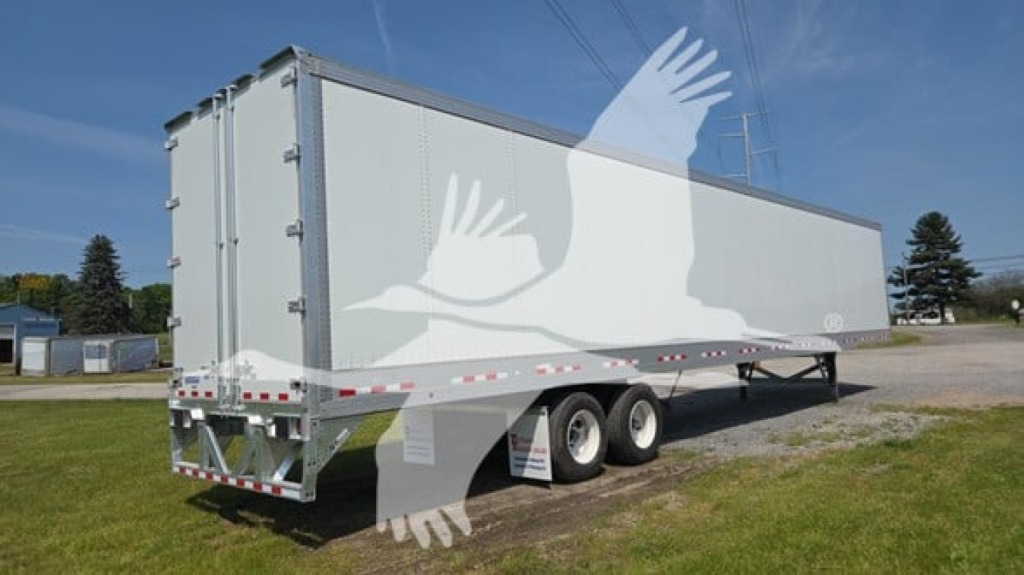
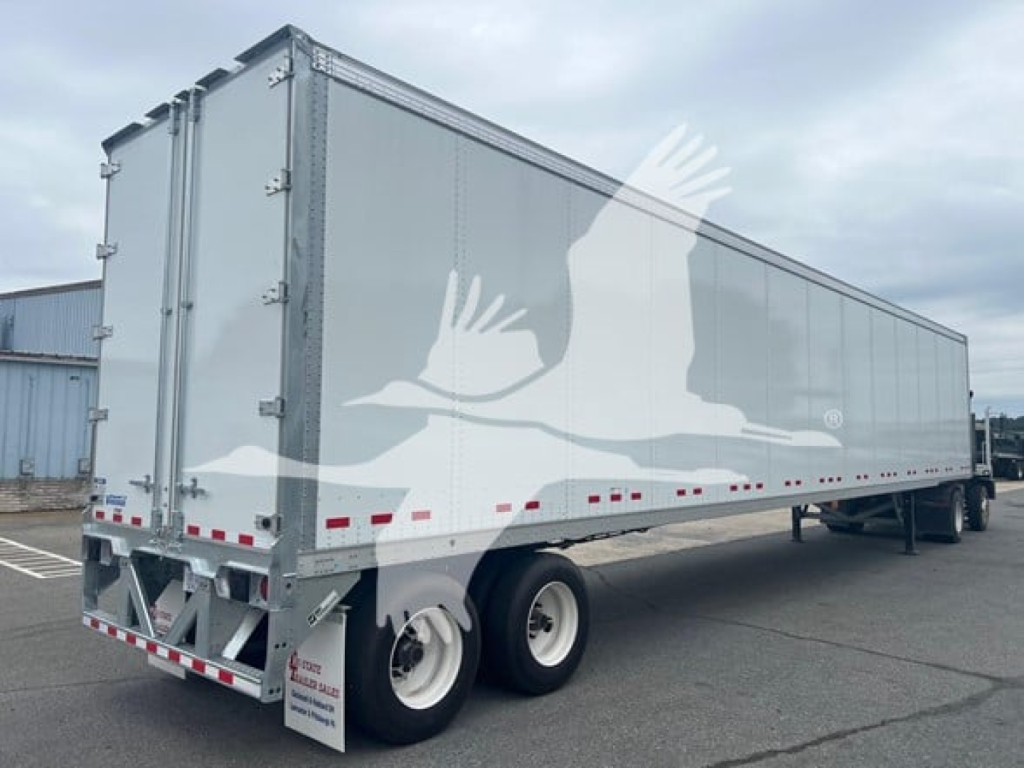
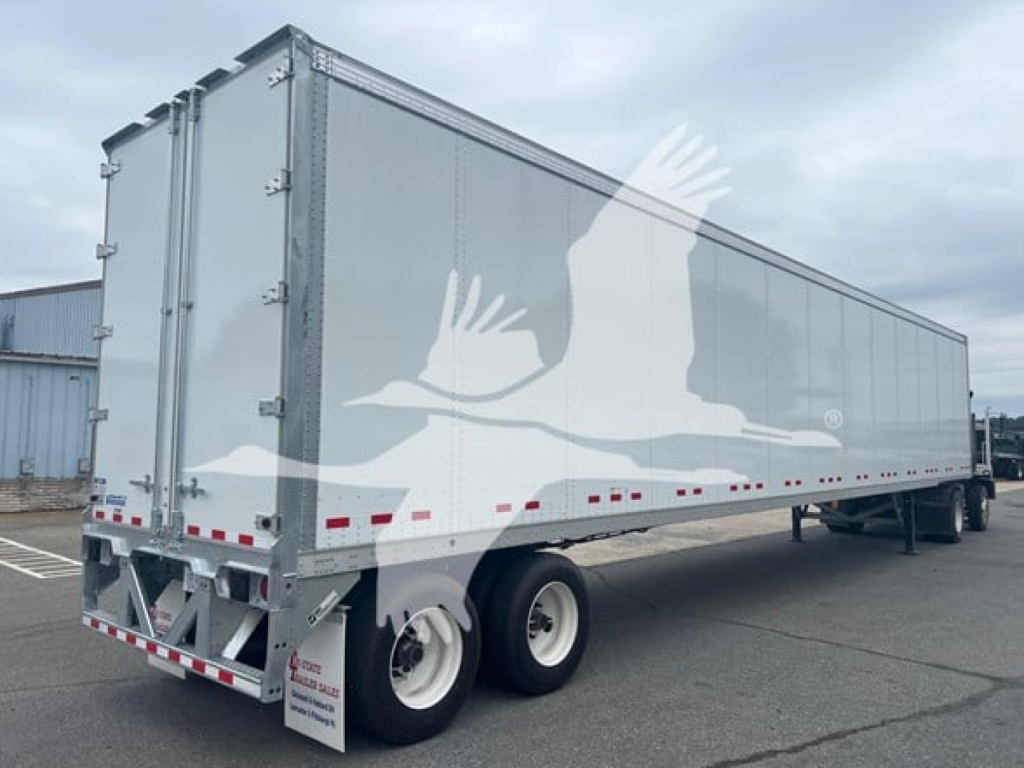
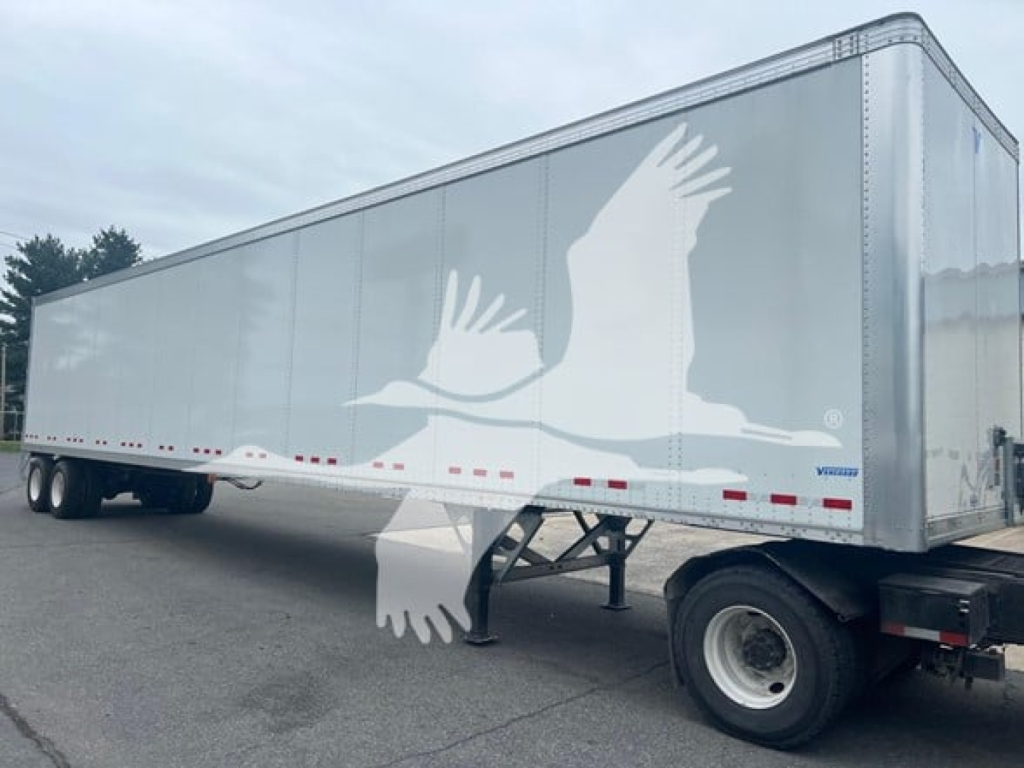
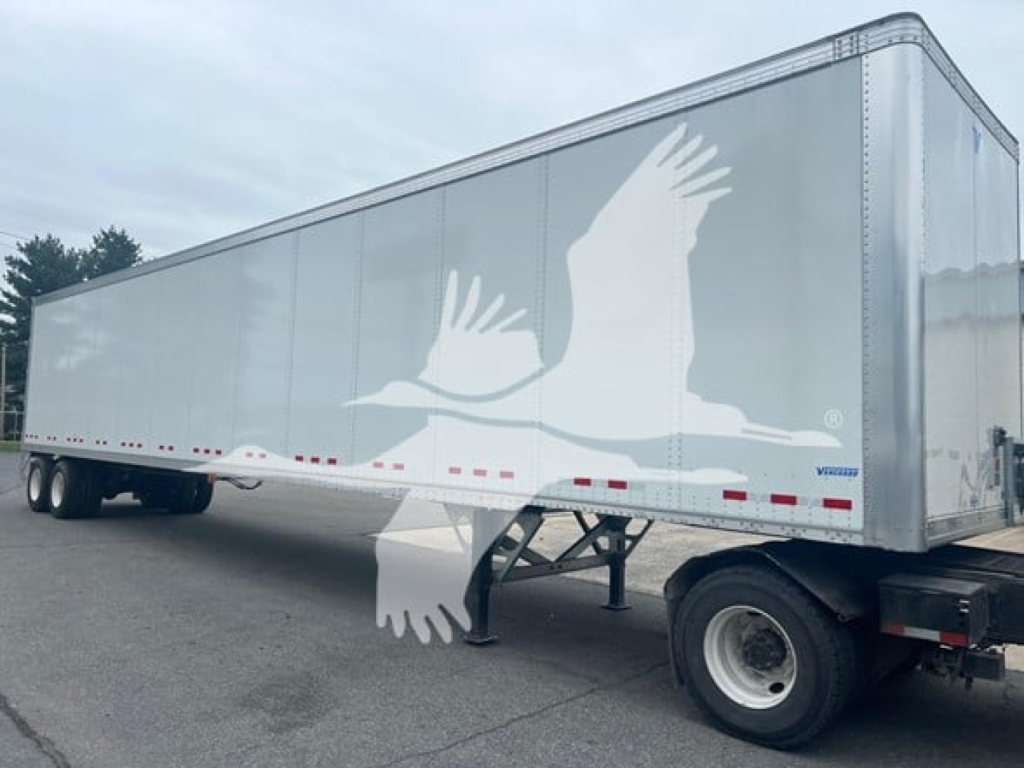
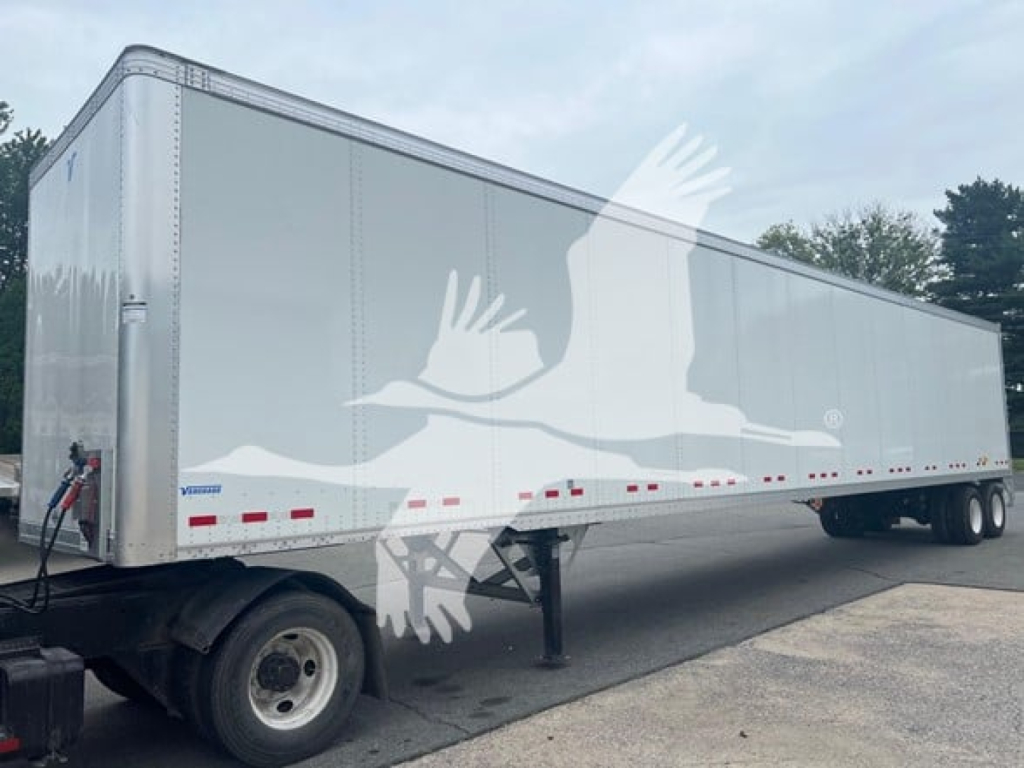
Showing 1 to 12 of 29 results
Have new vanguard van trailer to sell? List it here to reach thousands of buyers.
About New Vanguard Van Trailers
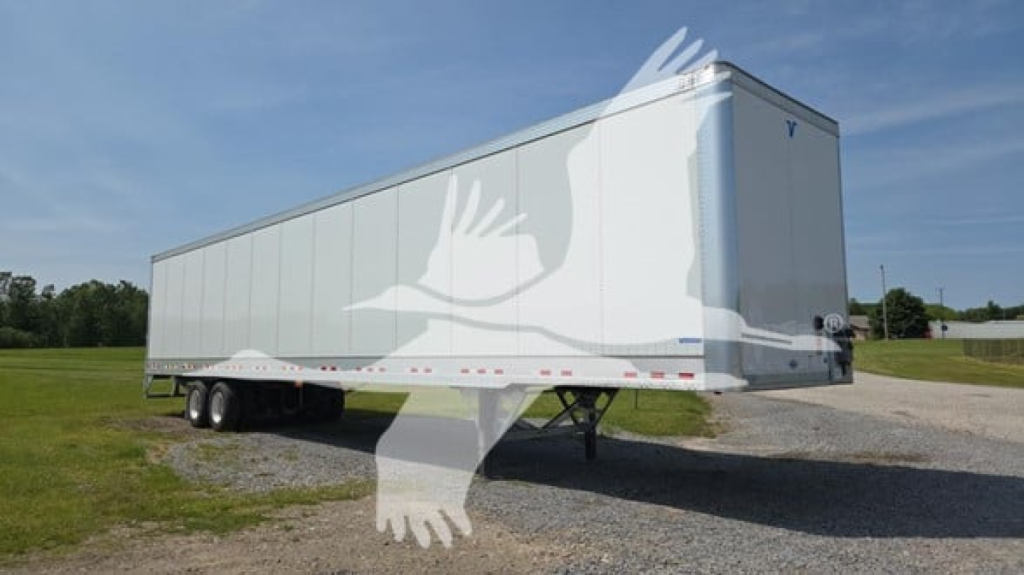
One of the first decisions is side construction. Vanguard VXP plate vans use composite plate sidewalls that help deliver a clean interior and strong overall body structure, while sheet-and-post configurations use smooth aluminum sides with closer post spacing for buyers who prefer a more traditional dry van design. Logistics posts, scuff protection, nose lining, and internal bulkhead design all matter if the trailer will see repeated forklift traffic and dense freight. Buyers moving packaged consumer goods, paper products, or mixed pallet freight should pay close attention to side scuff height, full-height nose lining, and door construction because those details affect long-term maintenance more than the paint or exterior finish.
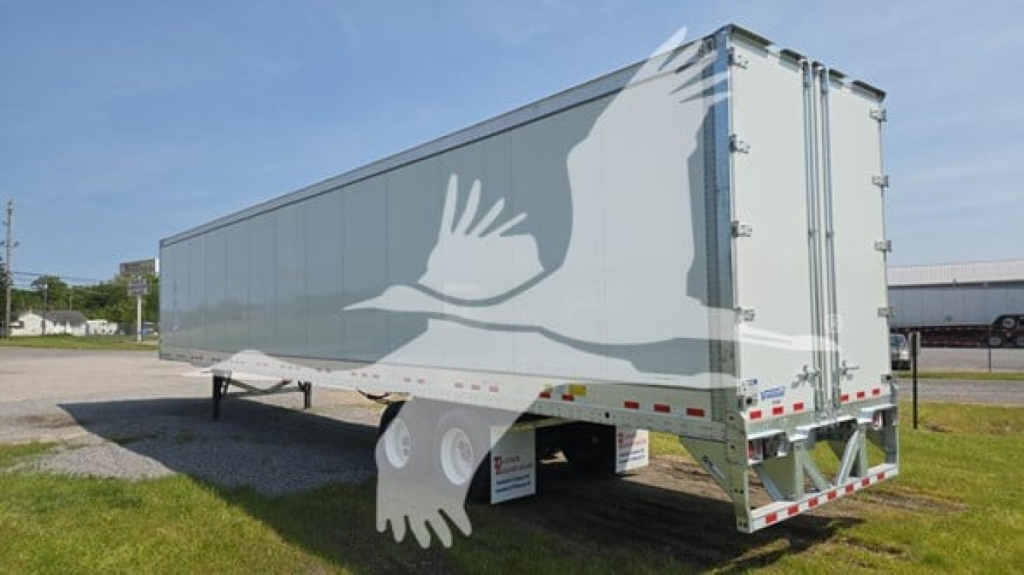
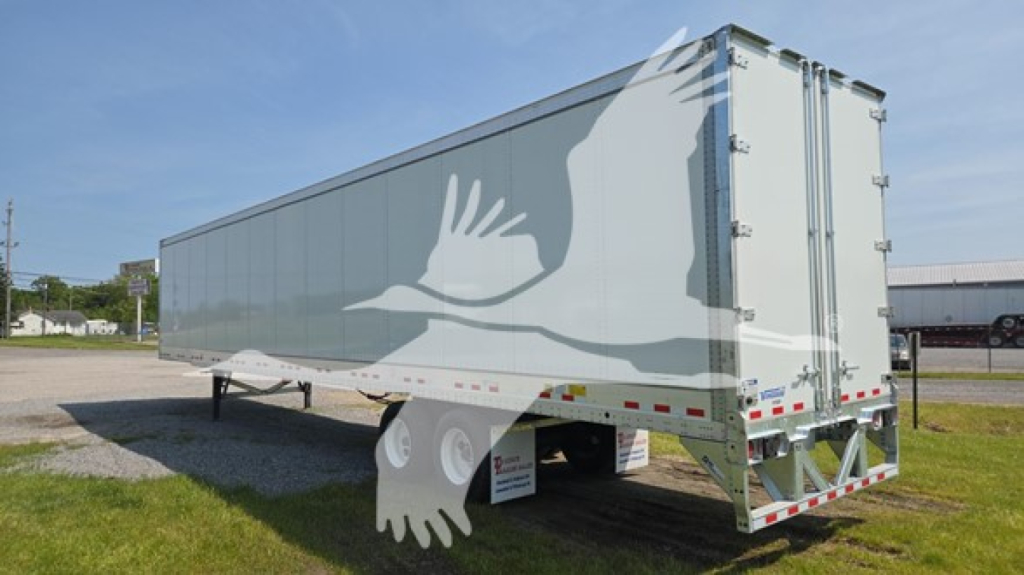
Underneath, common new Vanguard van trailer specs include tandem axles, air ride suspension, 49-inch sliding tandems, 36-inch kingpin settings, and 295/75R22.5 rubber. Hendrickson suspension packages are common in this category, and tire inflation systems such as Hendrickson TireMaax PRO are a real advantage for fleets trying to control irregular tire wear and roadside downtime. Galvanized rear frames, galvanized bumpers reinforced for dock-lock use, anti-snag roof bows, and Jost two-speed landing gear are all features buyers should evaluate as part of total lifecycle cost, not just purchase price. If the trailer will run in high-frequency dock environments, corrosion protection at the rear frame and threshold area is especially important.
Floor and base rail configuration also separate one van trailer from another. A 1 3/8-inch oak floor is standard on many dry vans, but crossmember spacing and floor rating become more important when freight is dense, concentrated, or consistently handled by forklifts. High base rail versions with tighter crossmember spacing and higher floor ratings are often the better fit for beverage, paper, and heavier contract freight, while standard plate vans may be perfectly adequate for lighter cube freight. For buyers comparing new Vanguard dry van trailers, the real question is not just body style. It is how the sidewall construction, floor rating, tandem setup, and corrosion-resistant components match the freight mix and the lane profile.
Frequently Asked Questions
What is the difference between a Vanguard VXP plate van and a sheet-and-post van?
A Vanguard VXP plate van uses composite plate side construction, which typically provides a cleaner interior wall surface and a modern dry van build favored by many fleets hauling palletized general freight. A sheet-and-post van uses aluminum side sheets with structural posts, often with tighter post spacing, and is a more traditional dry van design. The better choice depends on freight type, loading patterns, repair preferences, and how the trailer will be used over time.
What freight is a new Vanguard van trailer best suited for?
A new Vanguard van trailer is typically used for dry freight such as retail goods, packaged products, paper, consumer staples, and other palletized shipments that need weather protection and full cube capacity. These trailers are designed for standard dock loading and unloading and are common in over-the-road, regional, dedicated, and private fleet operations. Buyers hauling heavy concentrated freight should pay close attention to floor rating, crossmember spacing, and scuff protection.
Why does sliding tandem position matter on a dry van trailer?
Sliding tandems affect bridge compliance, axle weight distribution, and how easily a trailer can be positioned for different state regulations and loading situations. A common 49-inch tandem setting with long slide rails gives fleets flexibility when balancing payload across the drives and trailer axles. It also helps operations that regularly cross multiple states or serve customers with tight yard layouts and varied dock approaches.
Are tire inflation systems worth it on new van trailers?
Automatic tire inflation systems can reduce tire-related downtime, help maintain more consistent tire pressure, and improve overall tire life across a fleet. On a dry van that runs high annual miles, that can translate into fewer roadside service calls and more even wear across the axle group. For buyers managing multiple trailers or trying to lower maintenance interruptions, it is a practical spec rather than a luxury add-on.
What should buyers look for in the floor and understructure of a new dry van?
The floor and understructure determine how well the trailer handles forklift traffic, concentrated pallet loads, and years of repetitive dock work. Key items include floor thickness, floor rating, crossmember spacing, base rail design, and whether crossmembers are bolted or riveted. A stronger understructure is especially important for dense freight and high-cycle operations, because sidewall construction alone does not determine how durable the trailer will be in daily use.