
Utility Van Trailers For Sale in Colorado
Shop Utility van trailers for sale in Colorado. Compare dry van specs, lengths, doors, suspension, floor types, and fleet-ready options.
Learn more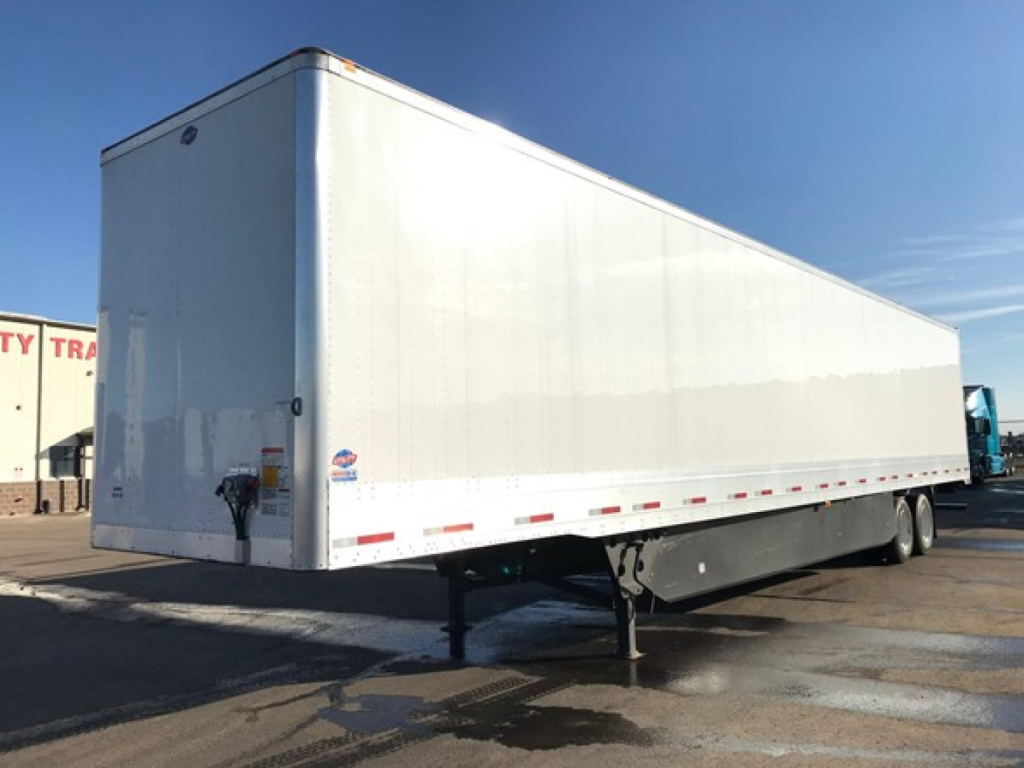
Showing 13 to 13 of 13 results
Have utility van trailer to sell? List it here to reach thousands of buyers.
About Utility Van Trailers in Colorado
The key buying decisions usually start with body configuration and cargo control. Many Utility van trailers use aluminum or composite wall liners, aluminum scuff plates, wood flooring, and logistics posts spaced to support load bars and straps. Buyers should look closely at floor condition, threshold plate wear, rear frame integrity, and signs of forklift damage near the nose, scuff band, and door opening. Door style also matters. Swing doors are common for full dock access and simpler repair, while roll-up doors can help in tight urban unloading situations but add weight and can reduce clear rear opening height. Front and rear vents, side skirts, anti-dock-walk systems, and stainless steel rear door frames are also common features that affect operating efficiency and long-term maintenance.
Running gear spec has a direct impact on tire life, payload, and lane suitability. Air ride suspension is common on Utility dry vans because it protects freight and holds up well in irregular road conditions. Sliding tandem axles are important for bridge law compliance, dock positioning, and weight distribution, especially for mixed freight and regional haul applications. Tire setup varies between low-profile duals and super singles, and some trailers include automatic tire inflation systems such as PSI or similar setups to reduce roadside failures and uneven wear. Buyers comparing Colorado trailers should also pay attention to wheel type, brake spec, and aerodynamic equipment like side skirts, since these can change maintenance cost and fuel performance across longer mountain and regional runs.
A good Utility van trailer fit depends on freight profile as much as age or model year. A fleet handling grocery, paper, beverage, retail, or contract freight may prioritize logistics post spacing, lining material, and floor fastening schedule, while a shipper focused on cube and fuel economy may care more about side skirts, smooth side panels, and tare weight. Utility dry vans, also known simply as van trailers or dry van trailers, are widely used because parts availability, service familiarity, and resale demand tend to be strong. The best comparison points are trailer length, door type, interior lining, floor condition, suspension, tandem slider operation, and any added systems such as tire inflation or aerodynamic packages.
Frequently Asked Questions
What are the most important specs to compare on a Utility van trailer?
The most important specs are trailer length, rear door style, suspension type, tandem configuration, floor construction, interior lining, and tire setup. On a Utility dry van, buyers often compare 53-foot versus other lengths, swing doors versus roll-up doors, air ride versus other suspension options, and whether the trailer has sliding tandems for weight distribution and bridge compliance. Floor and wall condition are especially important because they directly affect remaining service life and repair cost.
Are Utility 4000D-X and 4000DX dry vans good for fleet use?
Utility 4000D-X and 4000DX dry van trailers are widely recognized as fleet-friendly because they are commonly spec'd with practical features such as logistics posts, wood floors, aluminum or composite lining, air ride suspension, and durable rear frame components. They are popular in truckload, dedicated, and regional operations because maintenance shops are familiar with them and replacement parts are generally straightforward to source. Actual value depends on prior use, maintenance history, and structural condition.
What should I inspect on a used Utility van trailer before buying?
Focus on the floor, roof, sidewall condition, rear frame, door hardware, slider function, suspension wear, brake system, and signs of impact damage. Check for cracked crossmembers, soft floor sections, damaged scuff liners, patched roof bows, and excessive wear at the threshold plate. Also inspect the tandem slider rails and pins, tire condition, wheel ends, and any tire inflation system to confirm it is complete and functioning. A trailer that looks clean outside can still have expensive structural wear inside the cargo box or underneath the chassis.
Do side skirts and tire inflation systems matter on a dry van trailer?
Yes. Side skirts can improve fuel efficiency on highway runs, especially in higher-mile regional or over-the-road applications. Automatic tire inflation systems help maintain proper pressure, which can reduce irregular tire wear, improve casing life, and lower the risk of roadside breakdowns. These features are not mandatory for every operation, but they can add measurable value when the trailer is running consistent mileage and fuel economy or uptime is a priority.
Why are sliding tandems important on a van trailer?
Sliding tandems let the axle group move to help balance axle weights, meet bridge laws, and improve loading flexibility. They also help position the trailer correctly at docks and can be useful when freight density changes from load to load. On a Utility van trailer, smooth tandem slide operation and reliable locking pins are important because seized rails or worn components can create dispatch delays and repair expense.