
Van Trailers For Sale Near Monon, Indiana
Browse van trailers for sale, including 53-foot dry van specs, common configurations, cargo applications, and key features buyers compare.
Learn more
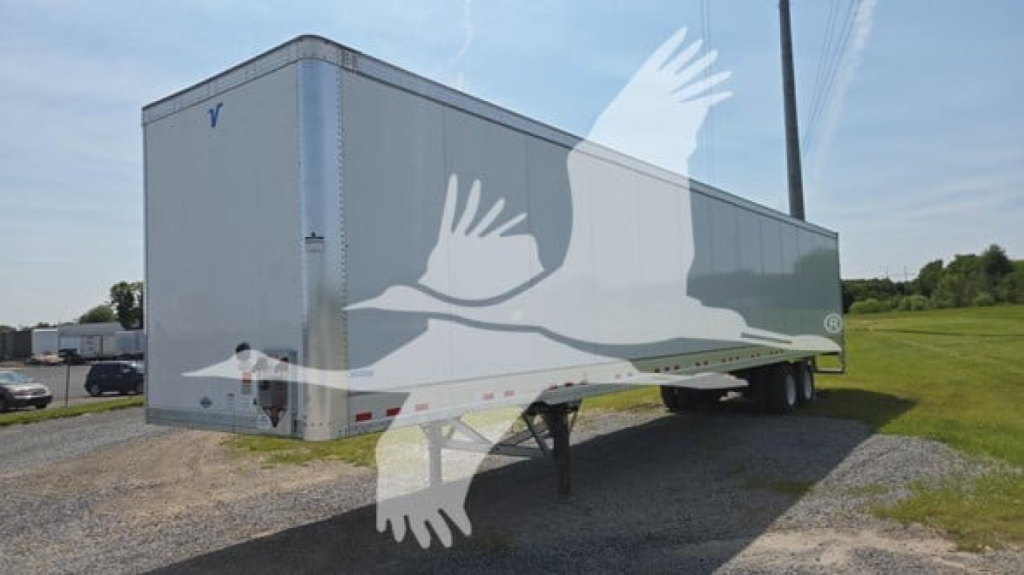
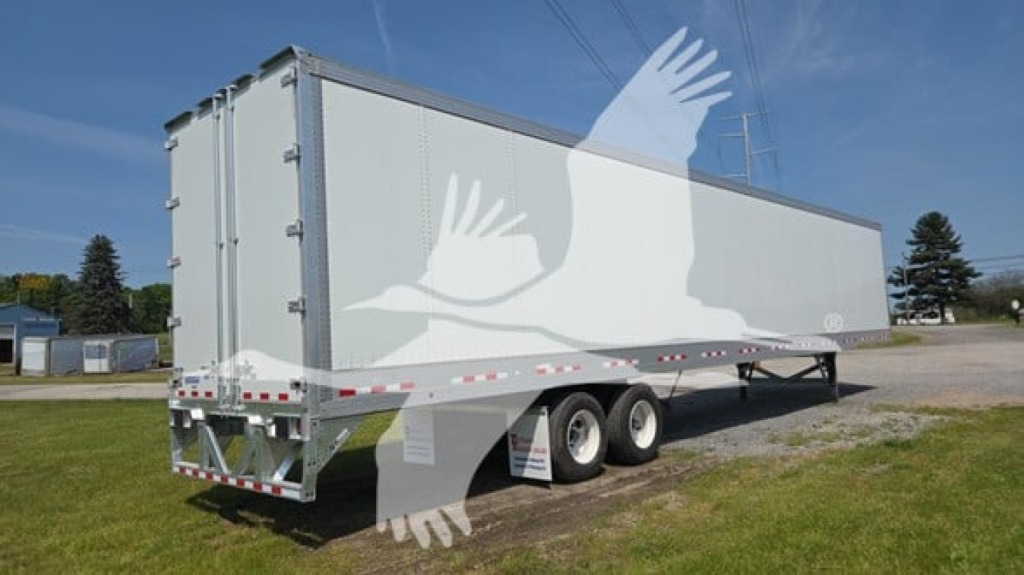
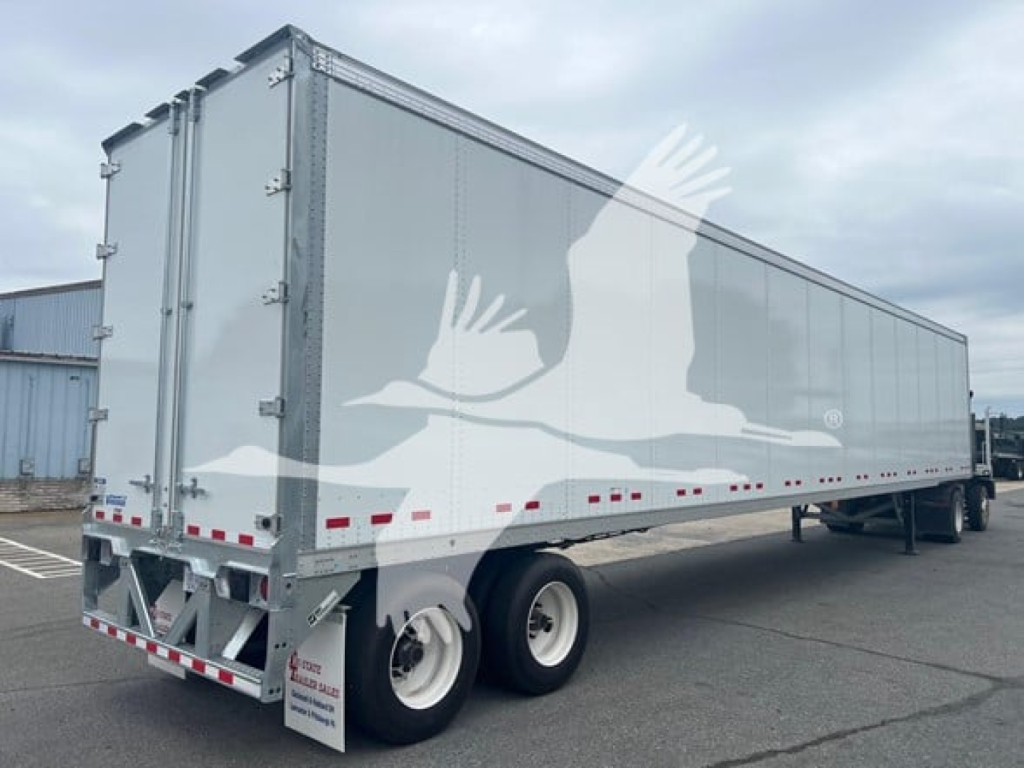
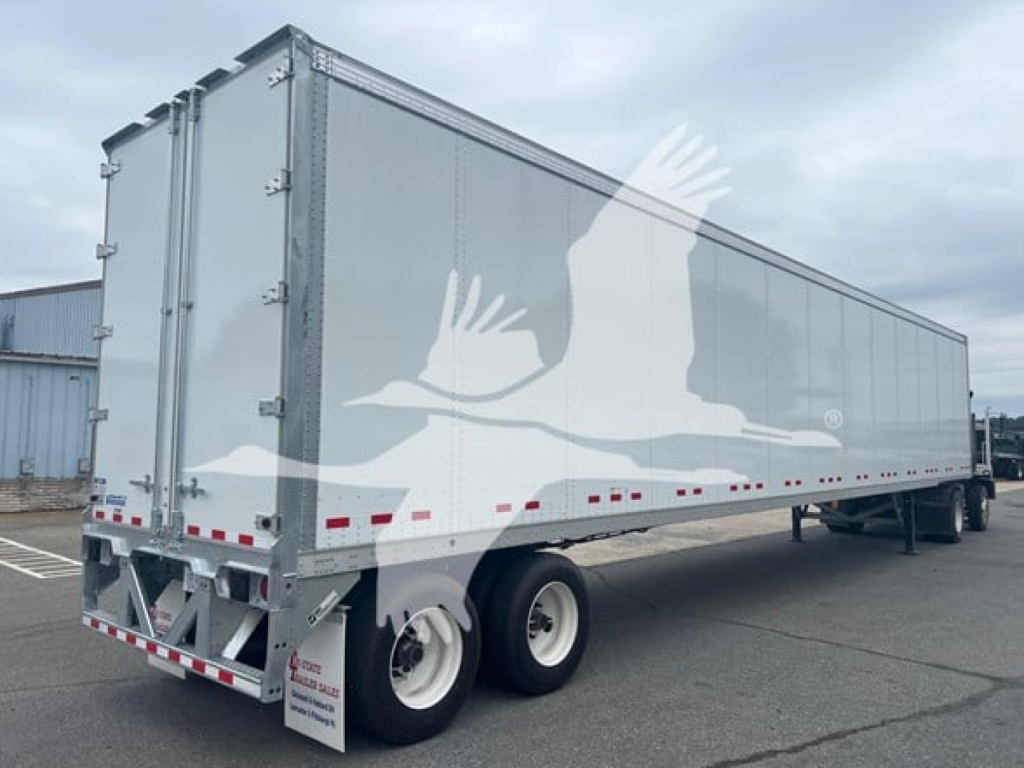
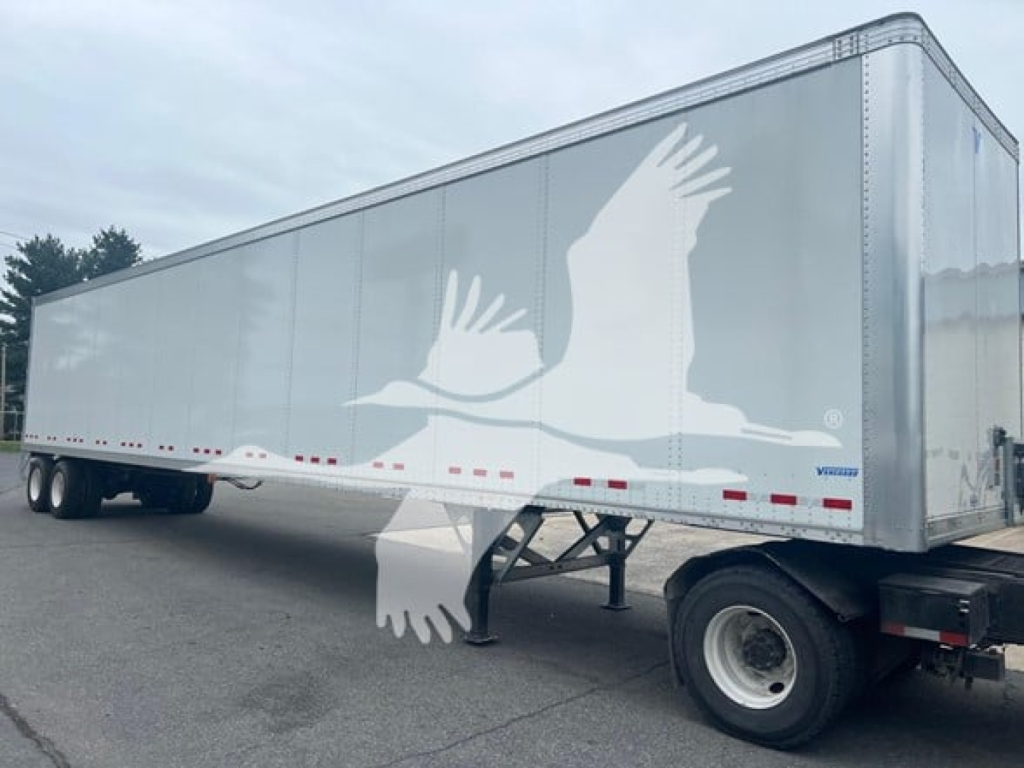
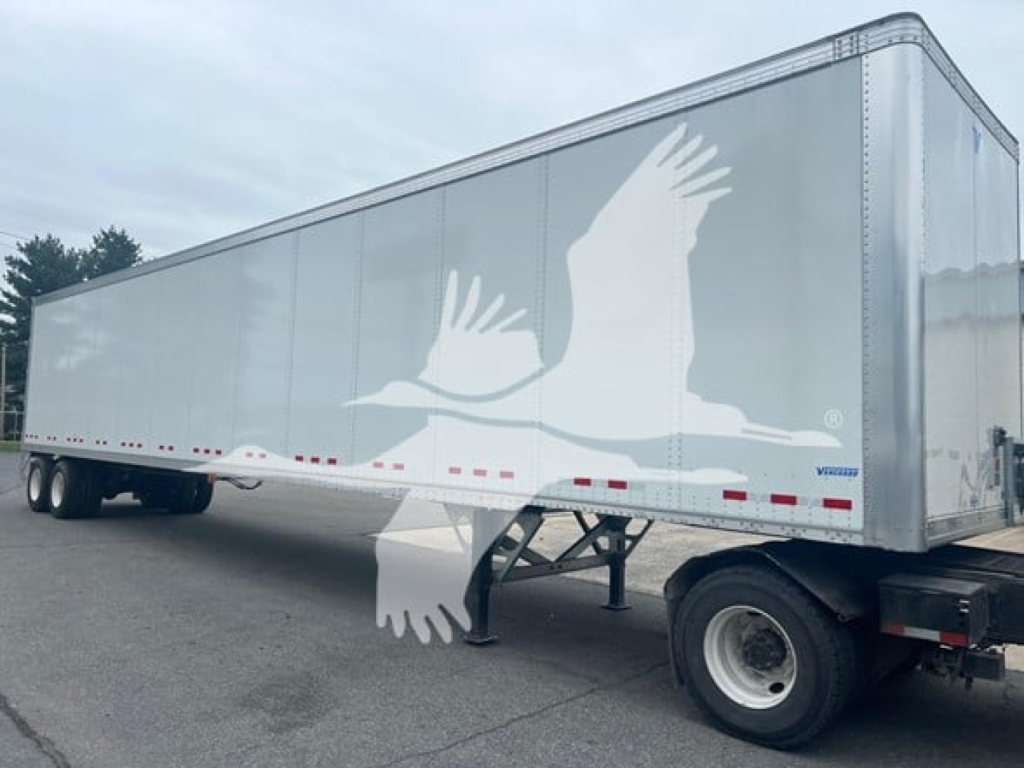
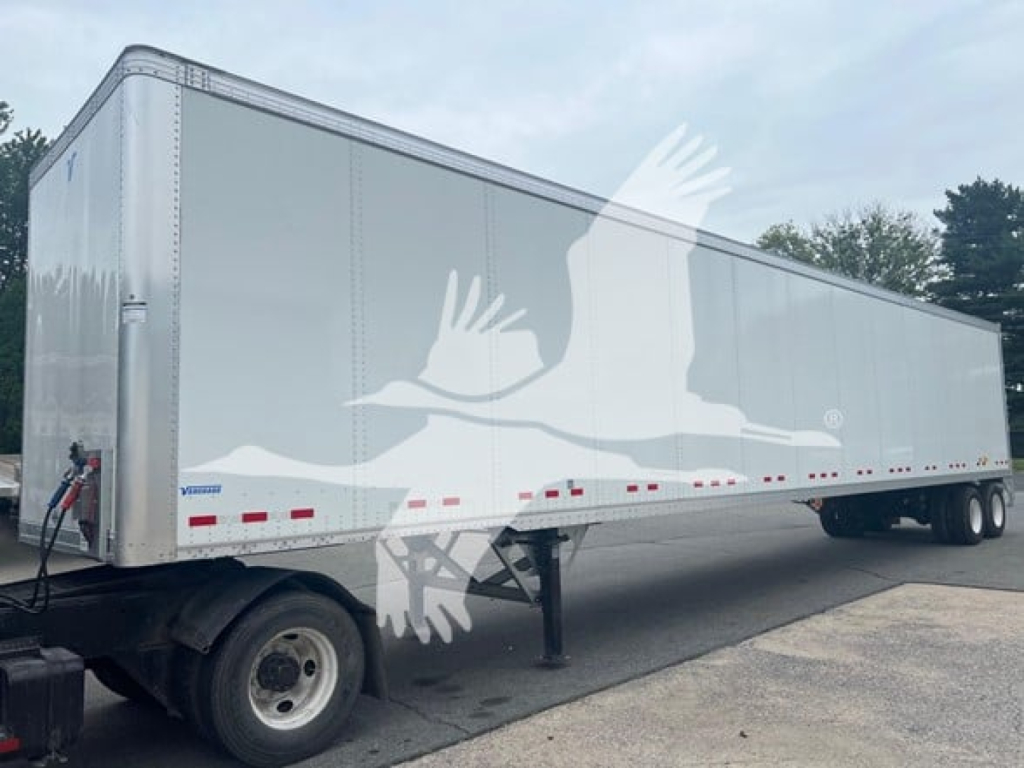
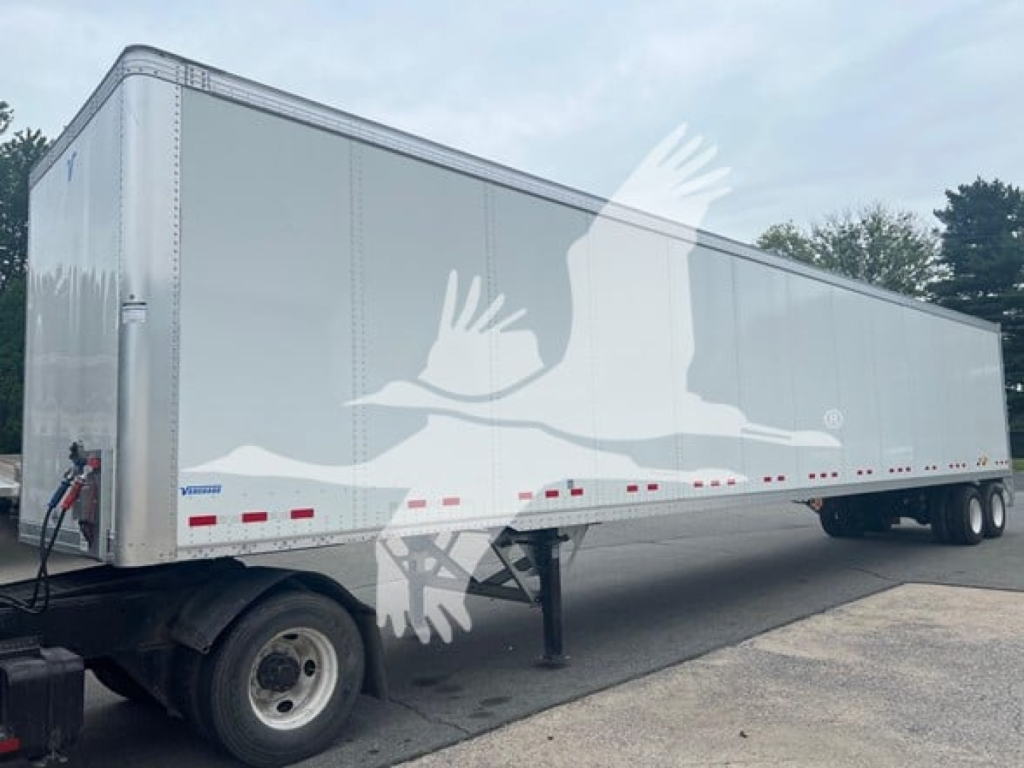
Showing 1 to 12 of 21 results
Have van trailer to sell? List it here to reach thousands of buyers.
About Van Trailers Near Monon, Indiana
Construction details make a real difference in lifecycle cost. Sheet-and-post vans use aluminum skins with closely spaced posts and remain a proven option for fleets that want straightforward repairability and a traditional sidewall design. Plate and composite sidewall vans can improve durability, sidewall appearance, and damage resistance depending on the freight mix and dock environment. Pay close attention to post spacing, scuff liner height, side lining material, rear frame corrosion protection, and floor rating. A 1 3/8-inch oak floor is still common in general freight service, but the crossmember spacing under that floor affects long-term performance under concentrated forklift traffic. For heavier forklift use, buyers often look for tighter crossmember centers and floor ratings around 22,000 pounds.
Running gear specs should match the lanes you run and the bridge laws you deal with every day. Tandem air ride suspension with a 49-inch sliding tandem remains one of the most common configurations because it gives flexibility for axle scaling, dock approach, and state-by-state compliance. A 36-inch kingpin setting is typical on fleet dry vans and works well with standard sleeper tractors. Tire size, wheel type, ABS configuration, landing gear brand, and options like automatic tire inflation systems all matter once the trailer enters high-mileage service. Galvanized rear frames, reinforced dock-lock bumpers, and anti-snag roof bow designs are worth noting because they directly affect abuse resistance in busy warehouse networks.
In a market like Monon, Indiana, many buyers are comparing new dry van specifications for regional distribution, Midwest truckload work, and national over-the-road operations. The right van trailer depends on freight density, dock frequency, forklift traffic, and how long you plan to keep it in service. If your operation is cube-driven, interior height and wall design may matter more than tare weight. If your operation is hard on trailers, focus on floor structure, scuff protection, rear impact areas, and corrosion-resistant components. A well-spec'd van trailer is a simple asset on paper, but small differences in sidewall construction, tandem setup, and floor support can change uptime, repair cost, and resale value over the life of the trailer.
Frequently Asked Questions
What is the difference between a sheet-and-post van trailer and a plate or composite plate van trailer?
A sheet-and-post van uses exterior skins supported by a series of vertical posts, often with closer post spacing, and it is widely regarded as a conventional dry van design with familiar repair methods. A plate or composite plate van uses a more integrated sidewall construction that can improve wall durability, appearance, and resistance to certain types of damage. The better choice depends on freight type, repair preferences, dock conditions, and how important tare weight, sidewall strength, and panel replacement costs are to your operation.
What specs matter most when buying a 53-foot dry van trailer?
The most important specs are interior height, inside width, rear door opening, floor rating, crossmember spacing, suspension type, tandem slide length, and kingpin setting. Buyers should also review sidewall construction, scuff liner design, roof bow layout, rear frame material, and corrosion protection. These details affect payload flexibility, forklift durability, bridge compliance, maintenance cost, and trailer life in daily freight service.
Why is floor rating and crossmember spacing important on a van trailer?
Floor rating and crossmember spacing determine how well the trailer handles repeated forklift loading, concentrated pallet weights, and abusive dock conditions. A stronger floor and tighter crossmember centers generally hold up better under high-cycle loading, especially with beverages, paper, or dense palletized freight. If the trailer will see frequent forklift turns and heavy point loads, these specs are just as important as suspension or sidewall type.
Is a sliding tandem necessary on a dry van trailer?
For many carriers, a sliding tandem is essential because it helps manage axle weights and comply with bridge laws across different states. It also adds flexibility when loading freight with varying weight distribution. A common tandem setting around 49 inches with long slide rails gives dispatch and drivers more options to keep the tractor and trailer legal without reworking the load.
What freight is best suited for a van trailer?
Van trailers are built for dry, non-temperature-controlled freight that needs weather protection and secure enclosed transport. Common loads include boxed consumer goods, retail merchandise, packaged food, paper products, auto parts, electronics, and palletized general freight. They are less suitable for cargo that requires side loading, overhead crane access, or refrigeration, where a flatbed, curtainside, or reefer would be a better fit.