
Van Trailers For Sale in Minnesota
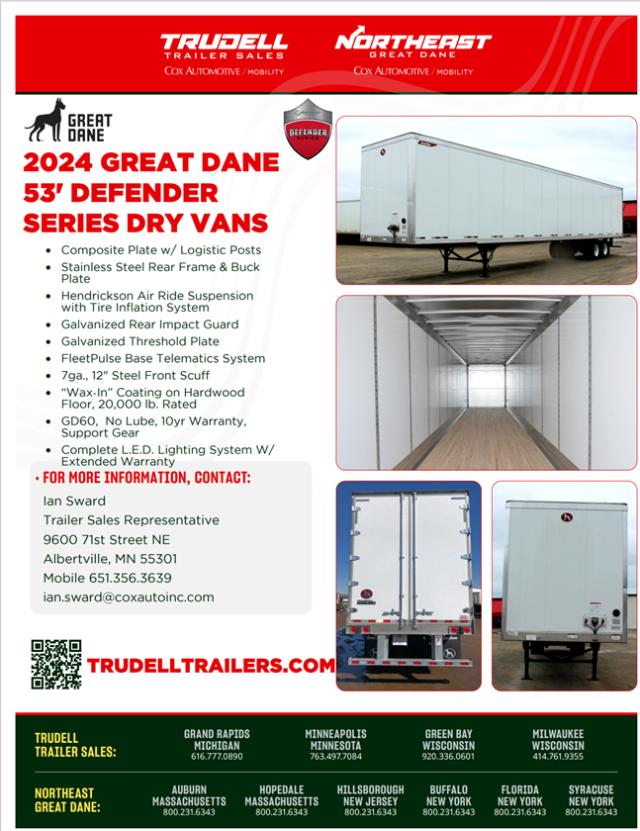
Shop van trailers for sale in Minnesota. Compare 53-foot dry vans with roll-up doors, sliding tandems, air ride, e-track, and logistics-ready specs.
Learn more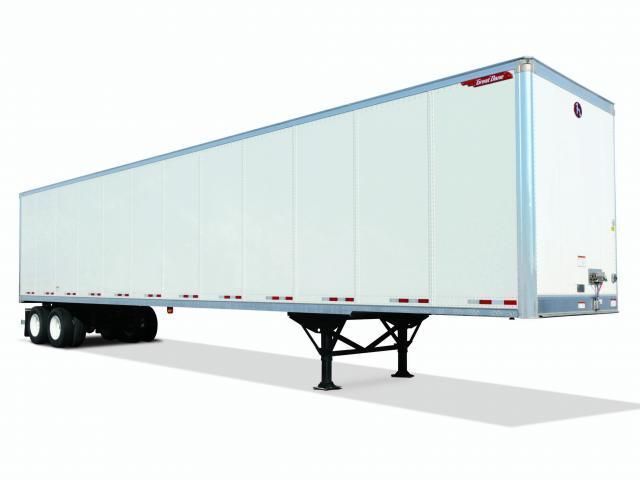
Have van trailer to sell? List it here to reach thousands of buyers.
About Van Trailers in Minnesota
The specs that matter most on a used van trailer start inside the box. Buyers should look closely at inside height, floor condition, lining, and cargo control. A 100-inch to 104-inch inside height can make a real difference depending on cube requirements and pallet stack patterns. Wood floors remain common because they handle forklift traffic well and are straightforward to repair, while plywood lining, scuff plates, and threshold plates help protect the trailer body in high-cycle loading applications. E-track is a major advantage for operators hauling mixed freight, partials, or loads that require flexible securement points.
Running gear and suspension choice affect both maintenance cost and freight suitability. Air ride suspension is preferred for many higher-value or damage-sensitive loads because it improves ride quality, while spring suspension may appeal to fleets focused on simplicity and lower upfront cost. Sliding tandems remain important for bridge law compliance, dock positioning, and weight distribution across different shippers and lanes. Features such as tire inflation systems, undertray storage, low-profile 22.5 tires, disc wheels, and lift axle configurations can also influence uptime, payload strategy, and service intervals. In Minnesota, where winter conditions and seasonal road challenges are part of normal operation, buyers should pay extra attention to door seals, floor wear, roof condition, corrosion points, and overall alignment.
A good van trailer is less about brand alone and more about how the trailer’s spec matches the freight. Roll-up doors are common in multi-stop delivery and drop-and-hook operations, but swing doors can still be preferred in some applications for simplicity and full-opening access. Trailer height, kingpin setting, tare weight, and interior condition all affect how efficiently the unit will work in a specific fleet. For buyers comparing used dry vans, the best approach is to evaluate cube, suspension, cargo control, and structural condition together so the trailer fits both the freight mix and the operating region.
Frequently Asked Questions
What is the difference between a van trailer and a dry van trailer?
In most trucking markets, van trailer and dry van trailer mean the same thing. Both refer to an enclosed semi-trailer designed to haul non-temperature-controlled freight protected from weather and theft exposure. Buyers usually use the term dry van to distinguish it from refrigerated vans, also called reefers, which include insulation and a refrigeration unit.
What size van trailer is most common for general freight?
The most common dry van trailer for over-the-road and regional freight is 53 feet long and 102 inches wide. That size offers strong cubic capacity for palletized freight and is widely accepted across distribution networks, warehouses, and contract freight operations. Buyers should also verify outside height and inside height because those dimensions affect dock compatibility, cube utilization, and load planning.
Is air ride or spring suspension better on a used van trailer?
Air ride is generally preferred for smoother cargo handling and better protection on fragile, high-value, or retail freight. Spring suspension is simpler and can be less expensive to maintain, which appeals to some buyers running straightforward dry freight lanes. The better choice depends on freight sensitivity, maintenance philosophy, and the level of ride quality your customers expect.
What should I inspect first on a used van trailer?
Start with the floor, roof, sidewalls, rear frame, and door assembly because those areas directly affect serviceability and repair cost. Then check the suspension, tandems, brakes, tires, wheel ends, and slider operation. Inside the trailer, inspect the lining, scuff plates, threshold area, and any cargo securement system such as e-track for forklift damage, cracking, rot, corrosion, or signs of hard dock use.
Why do sliding tandems matter on a dry van trailer?
Sliding tandems give the operator flexibility to adjust axle position for bridge law compliance, weight distribution, and maneuverability at docks or in tight yards. They are especially useful when freight weight varies from load to load or when the trailer runs across multiple states with different axle requirements. A properly functioning slider is an important practical feature on a van trailer used in general freight service.