
Great Dane Van Trailers For Sale in Minnesota
Shop Great Dane van trailers in Minnesota. Compare 53' x 102" dry vans with composite plate construction, fleet-ready specs, and durable designs.
Learn more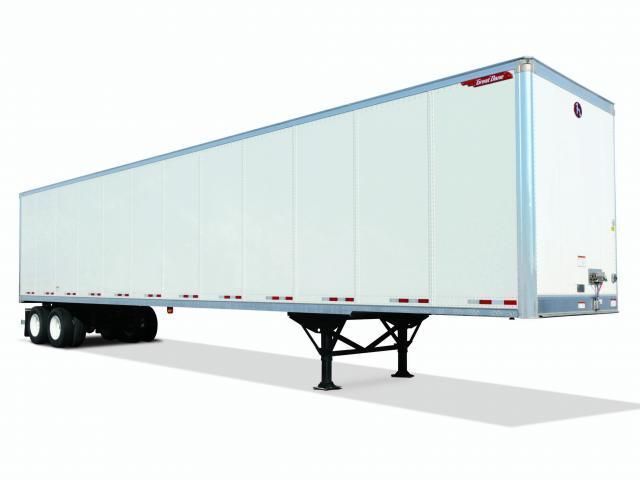
Have great dane van trailer to sell? List it here to reach thousands of buyers.
About Great Dane Van Trailers in Minnesota
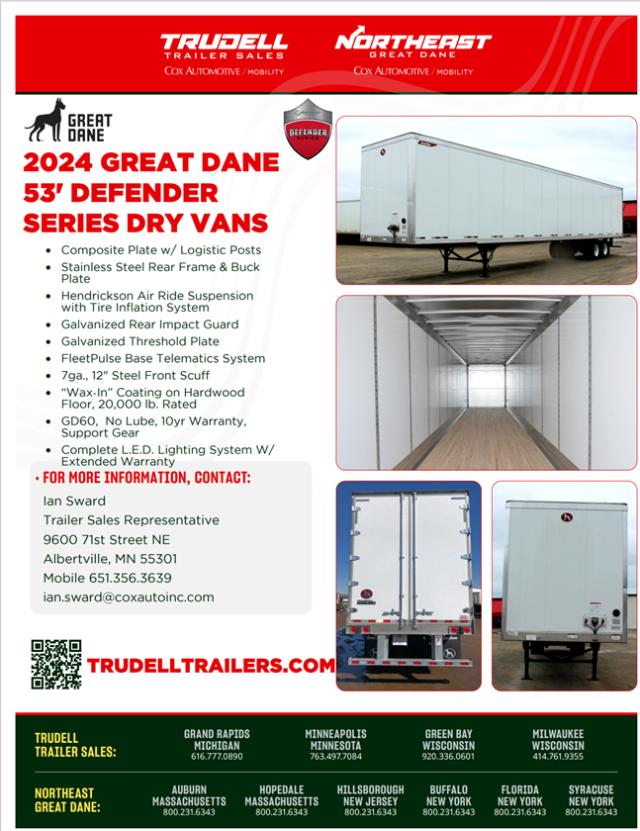
One of the main spec decisions on a Great Dane van trailer is body construction. Composite plate designs are popular because they balance weight, impact resistance, and long-term appearance. Buyers typically compare interior height, floor rating, crossmember spacing, roof construction, and sidewall type based on the freight they haul. A logistics carrier running palletized consumer goods may prioritize cube and low empty weight, while a fleet handling heavier forklift cycles may focus more on floor composition, threshold reinforcement, and scuff liner height. Swing doors remain the standard for full-cube loading and dock access, but rear frame durability, hinge quality, and door seal condition matter just as much as the door style itself.
Running gear and maintenance specs deserve close attention because they drive lifetime cost more than paint or cosmetic options. Common areas to evaluate include tandem slider configuration, axle rating, suspension type, wheel-end package, tire size, brake system, and the presence of tire inflation systems. Buyers should also check kingpin setting, landing gear style, lighting package, and ABS or telematics-related features if the trailer will be integrated into a larger fleet. In northern climates like Minnesota, wiring protection, undercoating, fastener condition, and the trailer's resistance to salt and moisture can make a meaningful difference in uptime.
Great Dane dry vans are often selected for general freight, retail distribution, food packaging, paper products, e-commerce loads, and other cargo that needs weather protection and secure enclosure. The right trailer is usually the one matched to freight density, loading method, route length, and shop preferences for parts and service. A buyer comparing listings should look beyond model year and focus on structural condition, roof and wall integrity, floor wear, rear frame strength, and whether the spec fits the lanes it will actually run.
Frequently Asked Questions
What is the most common Great Dane van trailer size?
The most common Great Dane van trailer configuration is 53 feet long and 102 inches wide. That size is the standard for over-the-road dry van freight because it offers strong cargo capacity, broad dock compatibility, and easy integration into most fleet operations. Buyers should still verify interior height, axle spread, and kingpin setting because those details affect cube, bridge compliance, and tractor pairing.
What does composite plate mean on a Great Dane van trailer?
Composite plate refers to a sidewall construction designed to combine durability with lower maintenance and clean exterior appearance. This type of build is commonly chosen for fleets that want resistance to everyday dock and road wear without the repair profile of some traditional sheet-and-post designs. It is especially relevant for buyers focused on long service life, trailer image, and repeated freight handling cycles.
What should buyers inspect first on a used dry van trailer?
Start with the floor, roof, sidewalls, rear frame, and doors because those areas reveal how the trailer was loaded and maintained. Floor soft spots, roof leaks, wall delamination, bent rear structure, and worn door hardware can all turn into expensive repairs or downtime. After that, inspect suspension components, brakes, tires, wheel ends, lighting, and slider operation to get a clearer picture of maintenance history.
Are Great Dane van trailers a good fit for Minnesota operations?
They can be a strong fit for Minnesota freight work if the trailer spec is suited to cold weather, road salt, and mixed highway-yard use. Buyers in this region should pay extra attention to corrosion protection, wiring security, door seals, floor condition, and the durability of the running gear. Those factors matter as much as body style when winter reliability and uptime are priorities.
Which specs matter most when choosing a Great Dane dry van for fleet use?
The most important specs usually include body construction, interior height, floor rating, crossmember spacing, axle and suspension package, brake setup, and slider configuration. Fleets should also consider tire inflation systems, scuff liners, telematics compatibility, and landing gear design based on their maintenance practices and route profile. The best spec is the one that matches the actual freight mix and loading environment instead of simply maximizing options.