
Manac Van Trailers For Sale in Ontario
Browse Manac van trailers for sale in Ontario, including dry vans and drop vans with common specs, applications, and buyer-focused features.
Learn more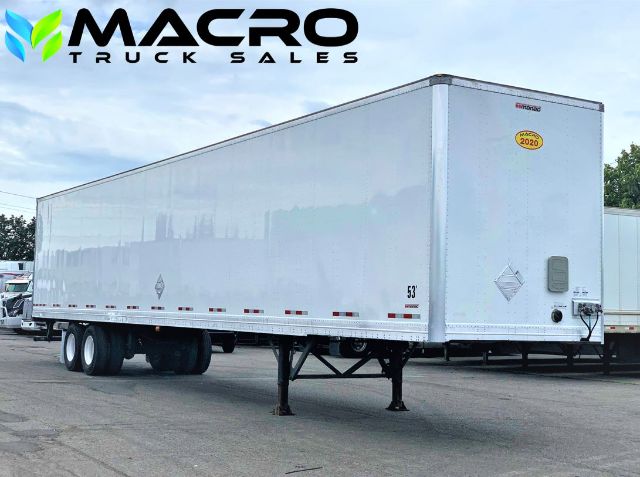
Have manac van trailer to sell? List it here to reach thousands of buyers.
About Manac Van Trailers in Ontario
The first buying decision is usually trailer length, interior height, and axle configuration. A 53-foot Manac dry van fits the broadest mix of LTL, truckload, and distribution freight, while 48-foot drop vans can be a better match for specialized tall freight and regional operations. Common specs in this category include swing rear doors, translucent roofs for better daytime visibility, galvanized rear frames, plywood or wood side liners, wood scuff bands, threshold plates, and two-speed landing gear. Suspension setups such as Hendrickson air ride are common, and buyers should pay close attention to suspension setting, kingpin setting, and whether the tandem is fixed or slider, especially if bridge laws, dock geometry, or cross-border loading patterns are part of the operation.
Condition matters more on a van trailer than the paint suggests. Floor integrity, crossmember spacing, roof condition, rear frame corrosion, door seal condition, and evidence of sidewall repairs should all be checked closely. On used Manac vans, it is also worth verifying brake percentage, tire size and remaining tread, wheel type, and the condition of the landing gear and slider components if equipped. A trailer with good rubber and brakes can still need expensive structural work if the floor is soft, the posts are compromised, or the rear header has damage from repeated dock impact. In Ontario service, exposure to winter road treatment makes understructure and rear frame inspection especially important.
For buyers comparing brands, Manac has long been recognized in the Canadian market for straightforward spec choices and vocational versatility. These van trailers are commonly used in general freight, retail distribution, manufacturing freight, packaged goods, and warehouse transfer work. A well-matched Manac van trailer comes down to freight profile, cube requirements, loading style, and maintenance history. If the cargo is standard pallet freight, a conventional dry van usually covers the need efficiently. If the operation handles taller products without stepping up to a specialized trailer type, a drop van can provide the extra interior clearance that makes the load legal and practical.
Frequently Asked Questions
What is the difference between a Manac dry van and a Manac drop van?
A Manac dry van has a conventional flat interior floor height and is designed for general enclosed freight. A Manac drop van has a raised front section and a lowered main deck, which increases interior cargo height in the rear portion of the trailer. That extra height can make a significant difference for bulky or tall freight that still needs weather protection and dock-compatible loading.
What should I inspect first on a used Manac van trailer?
Start with the floor, crossmembers, roof, rear frame, and door assembly. Those areas drive repair cost and determine how well the trailer will hold up under forklift traffic and repeated dock use. After that, inspect the suspension, brakes, tires, wheels, landing gear, and slider mechanism if equipped. Cosmetic condition is secondary to structural soundness and maintenance history.
Are Manac van trailers common for Ontario and cross-border freight?
Yes. Manac trailers are well known in the Canadian market and are often used in Ontario for regional freight, warehouse transfers, and cross-border runs into the U.S. Buyers should still confirm axle spread, kingpin setting, overall height, and weight distribution to make sure the trailer matches the lanes and legal requirements it will run.
What sizes are most common in this category?
The most common lengths are 48 feet and 53 feet, typically with a 102-inch outside width. Overall height often falls around 13 feet 6 inches, though interior dimensions vary based on roof design, floor construction, and whether the trailer is a standard dry van or a drop van. The right size depends on freight cube, dock access, and route requirements.
Why do features like scuff liners, translucent roofs, and galvanized rear frames matter?
These are practical durability features, not cosmetic extras. Scuff liners help protect sidewalls from forklift and pallet damage, translucent roofs improve natural light inside the trailer, and galvanized rear frames resist corrosion in wet and salted road conditions. On a used van trailer, those features can reduce long-term repair exposure and improve day-to-day usability.