
Manac Van Trailers For Sale in New York
Shop Manac van trailers for freight hauling. Compare 53-foot dry van specs, tandem setups, door styles, floors, and weight ratings.
Learn more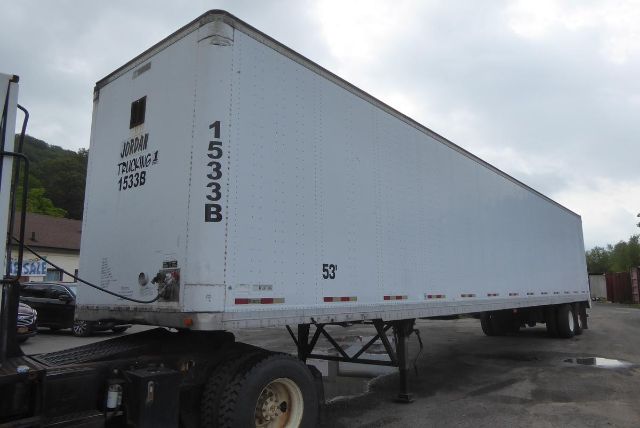
Have manac van trailer to sell? List it here to reach thousands of buyers.
About Manac Van Trailers in New York
For many fleets, the important specs start with construction. Manac van trailers are commonly found with aluminum composition to help control tare weight, along with wood or wood-over-steel flooring that can take repeated forklift traffic. Buyers should pay close attention to floor wear, crossmember condition, sidewall integrity, roof condition, and rear frame strength, especially on older dry vans that have seen heavy dock use. Swing doors are common and still preferred in many operations because they are simple, durable, and easy to service. Slideable tandems matter if you run in states or routes where bridge law compliance and dock positioning are part of daily operations. Tire size, wheel type, brake setup, and suspension condition also affect total operating cost more than many first-time buyers expect.
A dry van trailer, also known as an enclosed van trailer, is often selected for freight protection as much as capacity. Weather-sensitive freight, consumer goods, paper products, boxed food loads, and mixed LTL shipments all benefit from a sealed body and full-height cargo area. Features such as translucent roofs can improve daylight inside the trailer during loading, while scuff liners, logistics posts, e-track, and trailer skirts may matter depending on the freight profile. In New York and across the Northeast, buyers often pay closer attention to corrosion, rear door seal condition, brake health, and suspension wear because trailers spend a lot of time in dense traffic, winter road treatment, and tight urban delivery environments.
When comparing Manac van trailers, focus on the condition items that directly affect uptime and cargo claims. Check for air leaks, brake component wear, kingpin and upper coupler plate condition, tandem slide function, ICC bumper integrity, and evidence of prior wall or roof repairs. Confirm inside dimensions if your freight is cube-sensitive, and verify empty weight if payload is critical. A sound van trailer should track straight, dock cleanly, hold door alignment, and show even tire wear across the tandem. For buyers moving general freight, a well-kept dry van remains one of the most versatile and cost-effective trailer types on the road.
Frequently Asked Questions
What are the most important specs to compare on a Manac van trailer?
The most important specs are trailer length, width, inside height, empty weight, GVWR, axle configuration, suspension type, floor construction, and rear door style. For most dry van buyers, a 53-foot by 102-inch setup with tandems is the standard starting point, but tare weight and floor condition often have a bigger effect on real-world performance than published dimensions alone. Slideable tandems, air ride suspension, and the condition of brakes, tires, and hubs should also be reviewed carefully because they directly affect compliance, ride quality, and operating cost.
Are Manac van trailers good for general dry freight?
Yes. Manac van trailers are well suited for general dry freight, including palletized consumer goods, packaged products, retail freight, paper, and other non-temperature-controlled loads. The enclosed body protects cargo from weather and road debris, and the standard dry van format works well for dock loading, forklift loading, and linehaul service. The right trailer still depends on body condition, floor strength, and whether the interior setup matches your freight handling requirements.
What should I inspect on a used Manac dry van trailer before buying?
Inspect the floor for rot, soft spots, or excessive forklift damage, and check crossmembers for cracks, corrosion, or poor repairs. Review the roof, side panels, rear frame, and door seals for leaks or impact damage. Look closely at the suspension, brakes, axle alignment, kingpin area, tandem slide rails, and tire wear pattern. If the trailer has air ride, confirm the airbags, valves, and plumbing are working correctly. A careful inspection helps prevent expensive downtime after the trailer goes to work.
Why do slideable tandems matter on a van trailer?
Slideable tandems give the operator flexibility to adjust axle placement for bridge law compliance, weight distribution, and dock approach requirements. On regional and long-haul lanes, that flexibility can help keep axle weights legal and improve how the trailer performs in different loading situations. A tandem slider also needs to be in good mechanical condition. Worn pins, damaged rails, or poor alignment can turn a useful feature into a maintenance problem.
What features can make a dry van trailer more useful in Northeast service?
In Northeast service, practical features include solid rear door seals, healthy brakes, corrosion-resistant construction, dependable suspension, and a floor that can handle frequent forklift cycles. A translucent roof can improve visibility during loading, and durable wall protection such as scuff liners helps reduce interior damage. Because New York and surrounding states expose trailers to winter road salt, congestion, and tight delivery spaces, buyers should place extra value on structural condition, rust control, and components that are easy to maintain.