
Van Trailers For Sale in Indiana
Shop van trailers for sale in Indiana. Compare 53-foot dry van specs, floor ratings, tandem settings, doors, and cargo-ready features.
Learn moreBrowse Van Trailers by Make
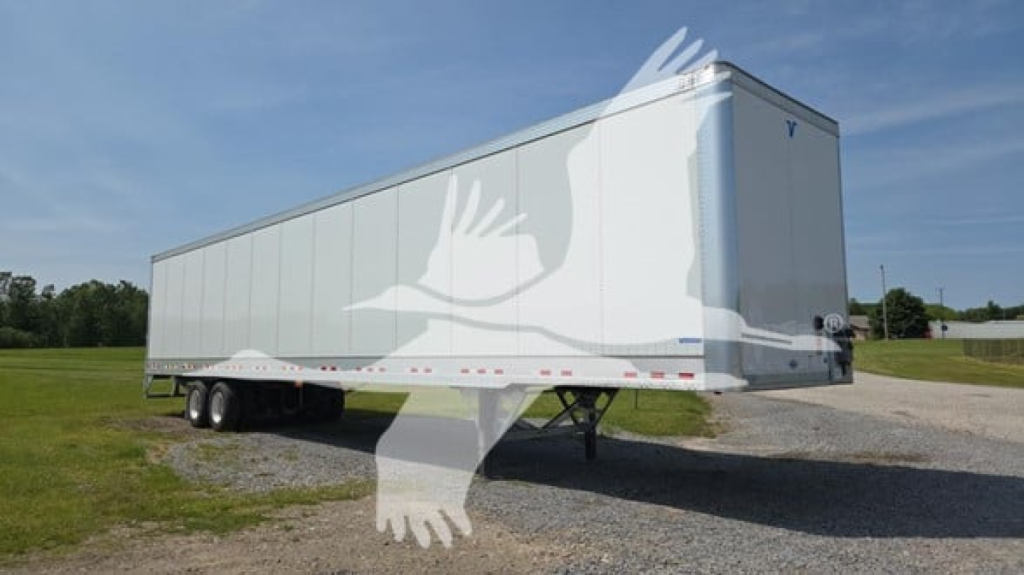
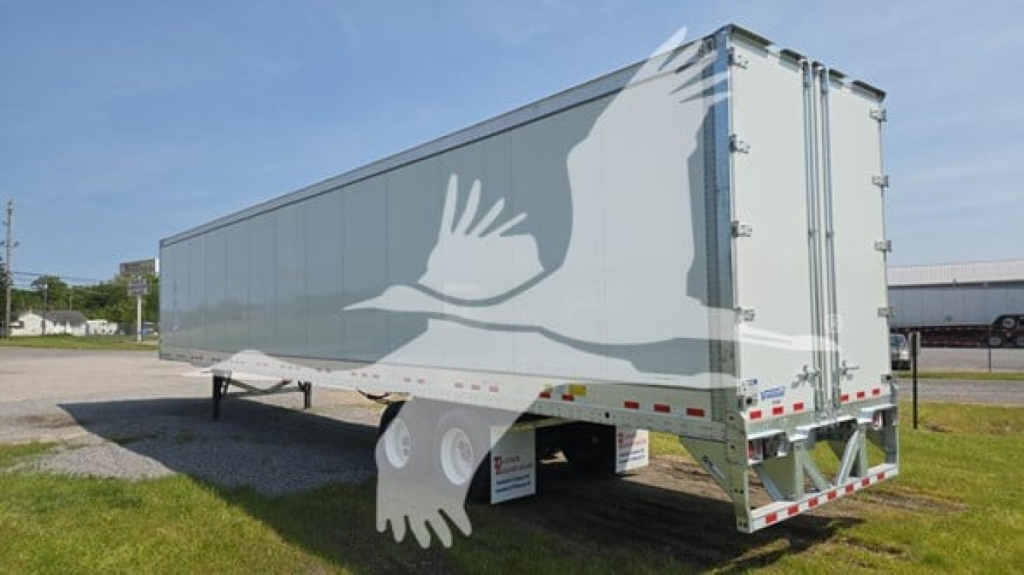
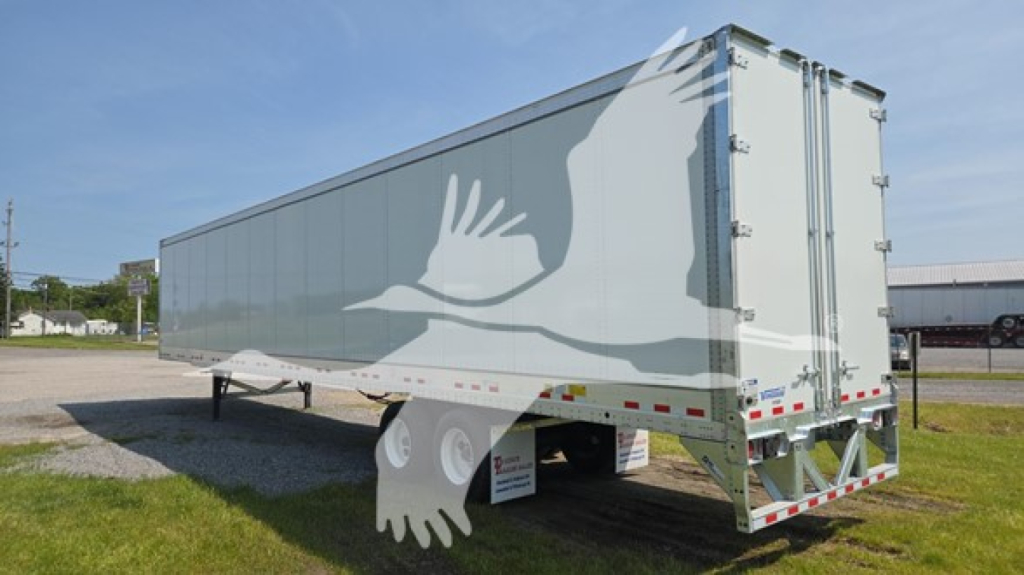
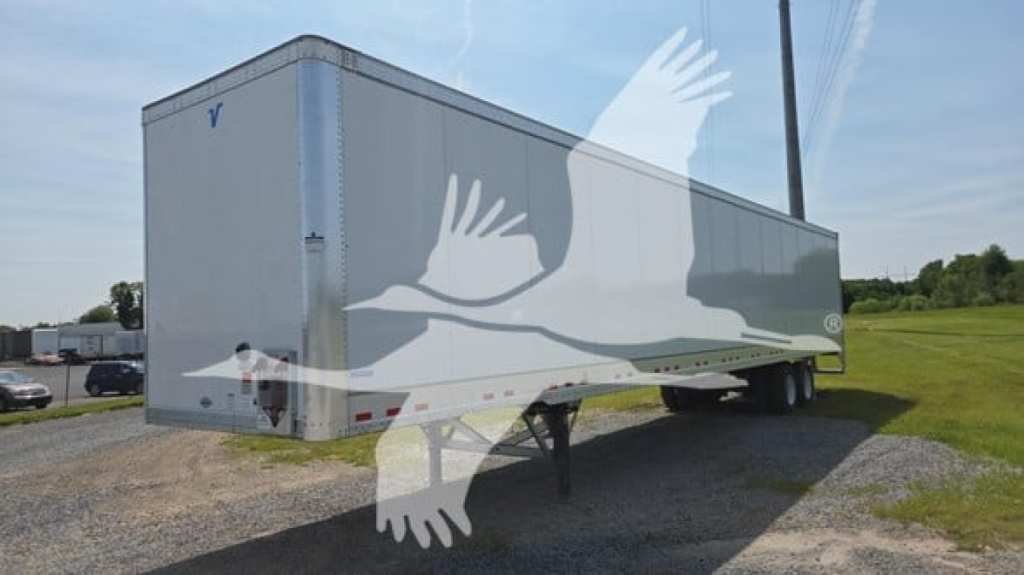
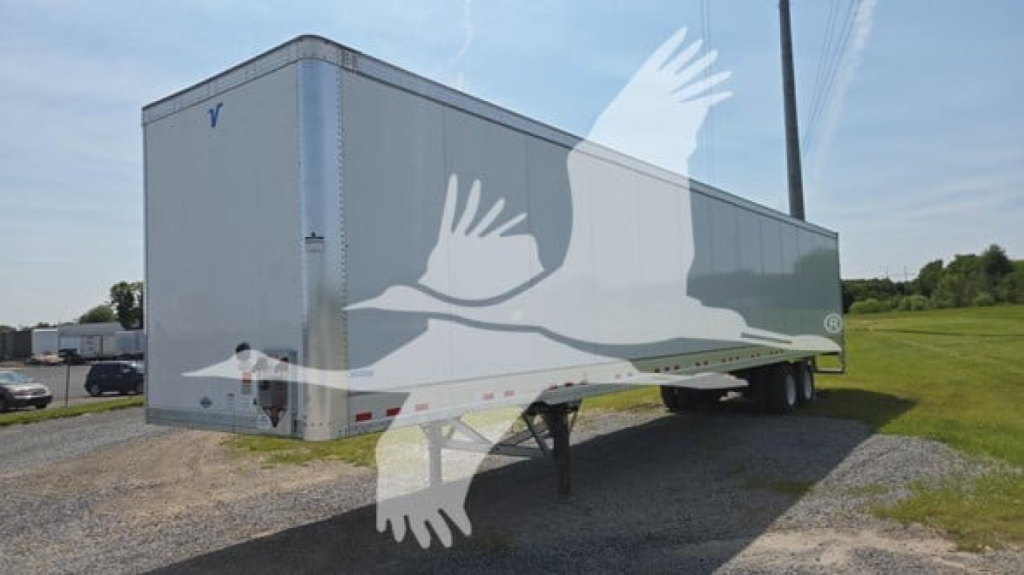
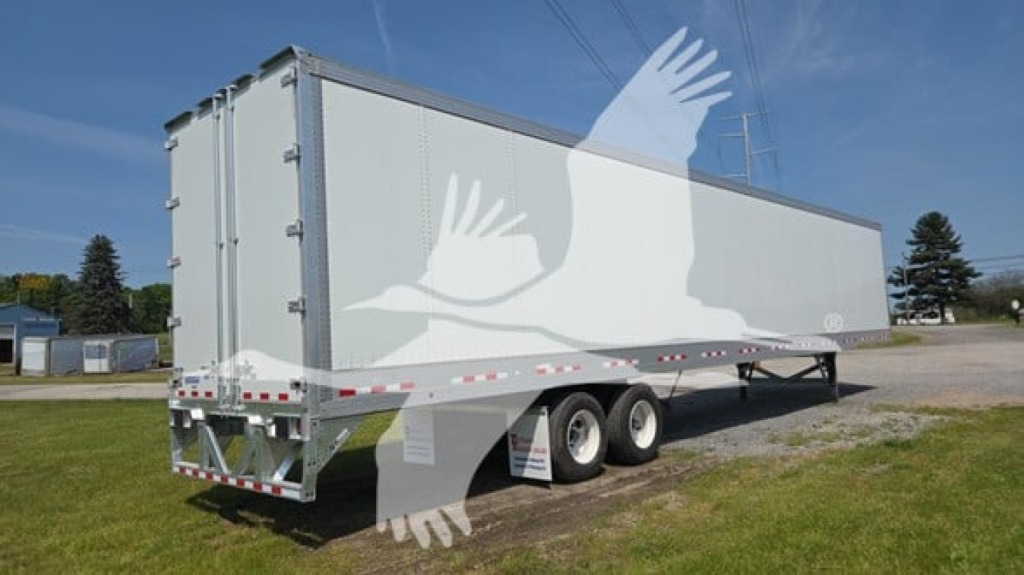
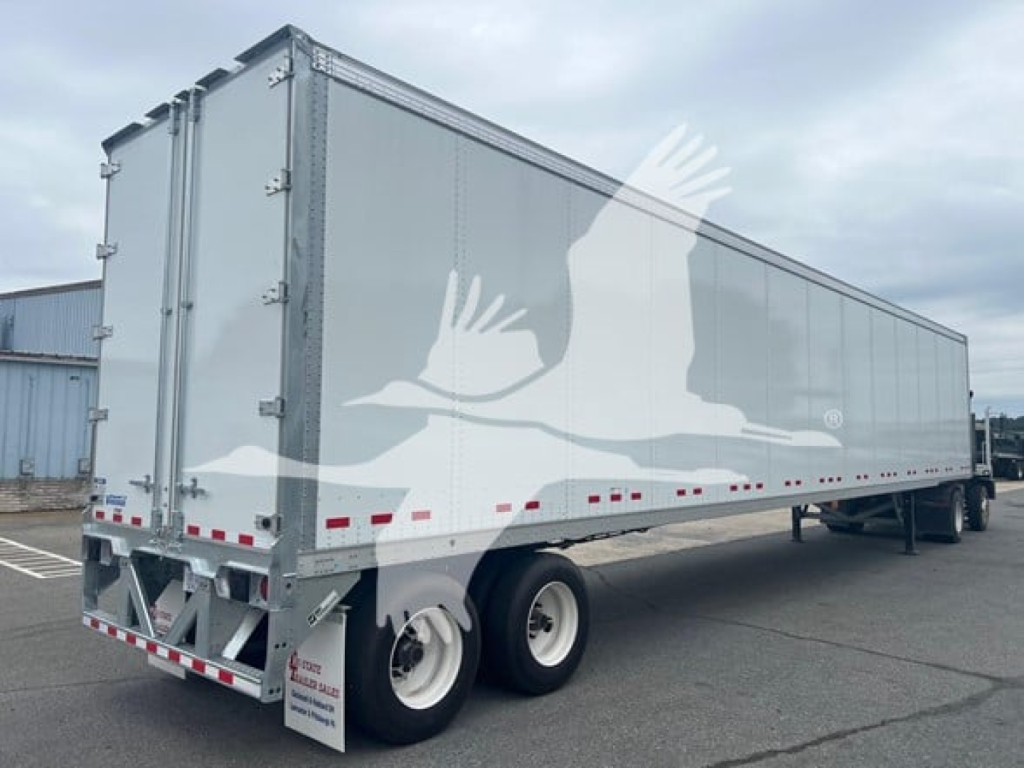
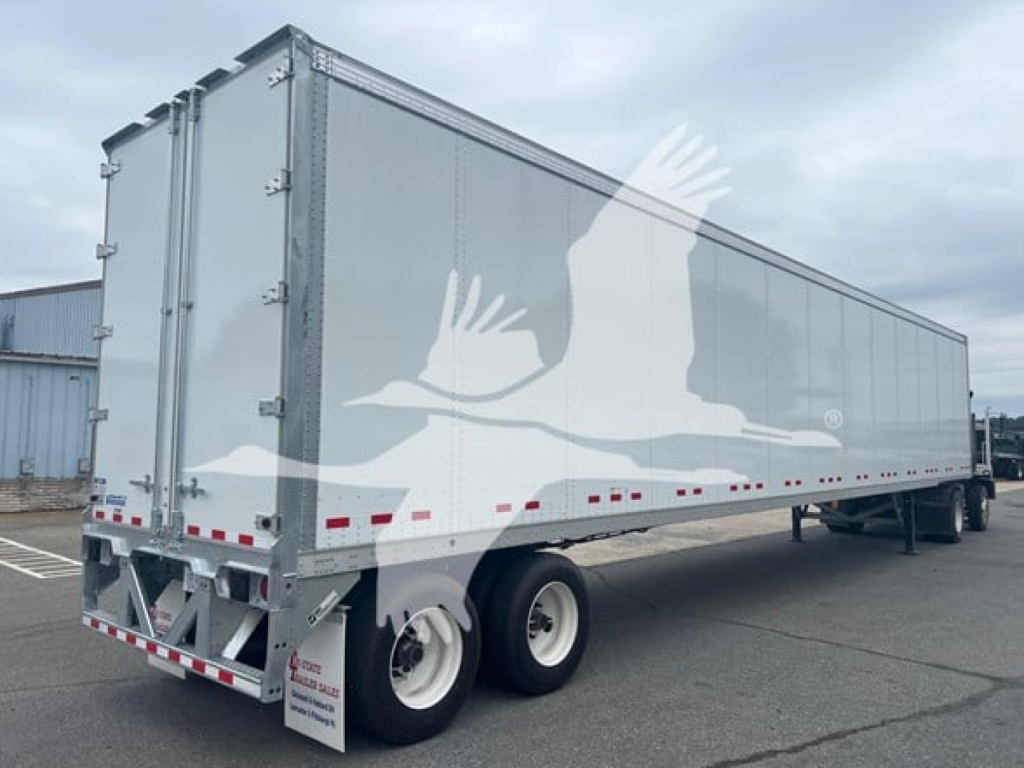
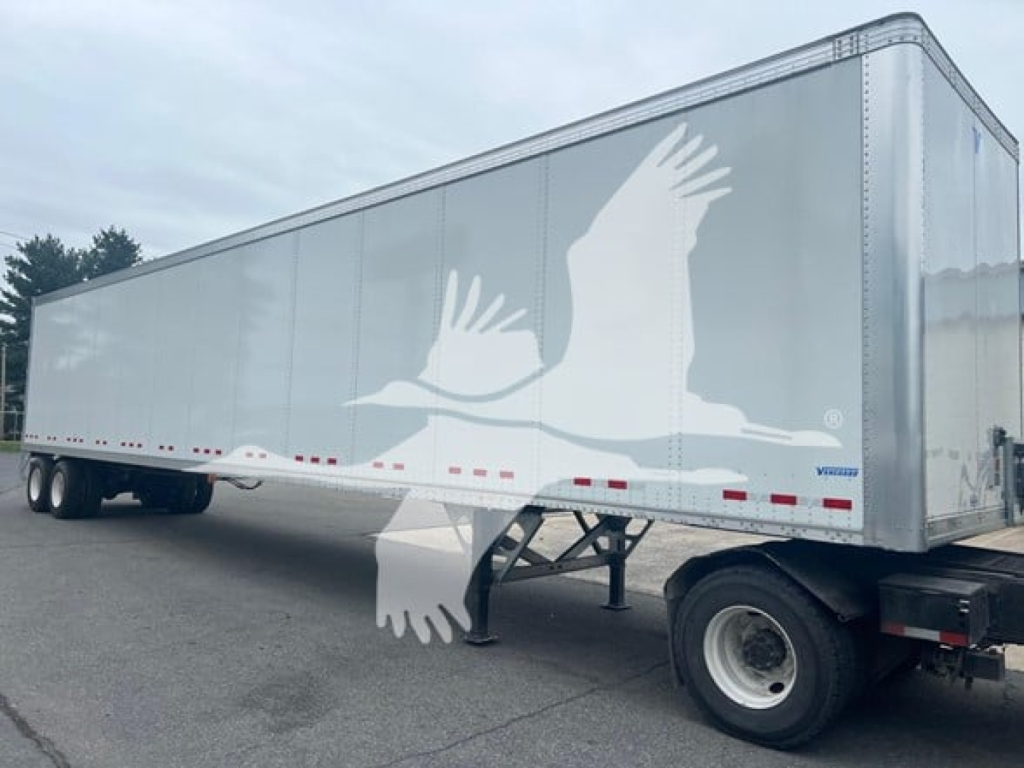
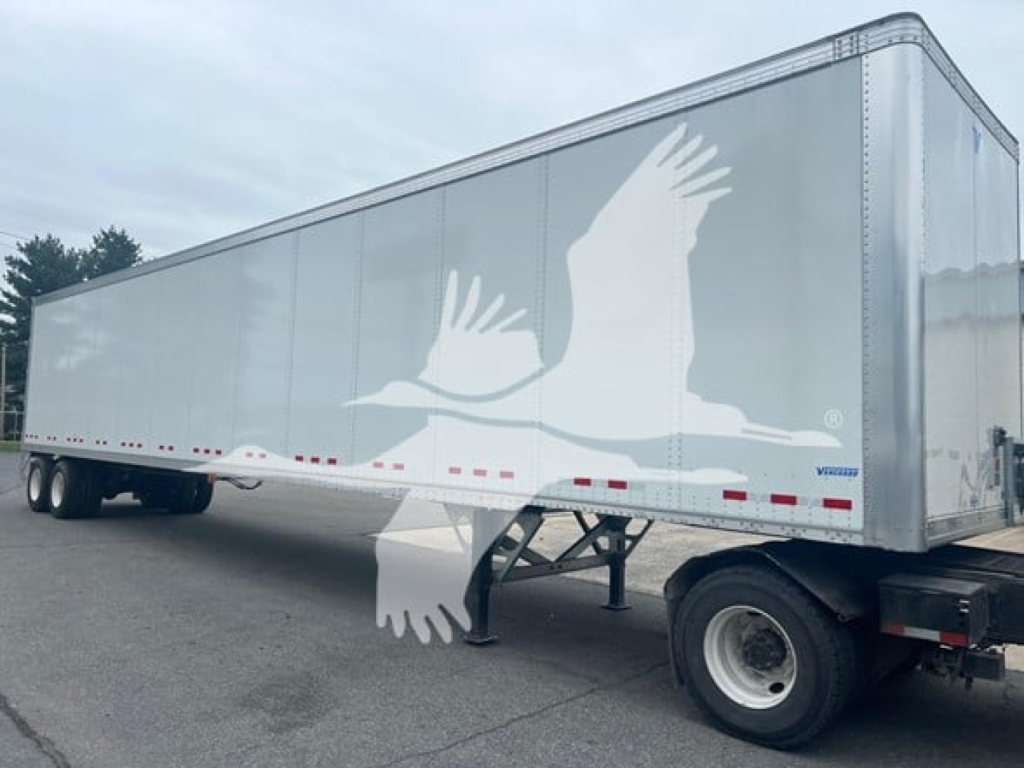
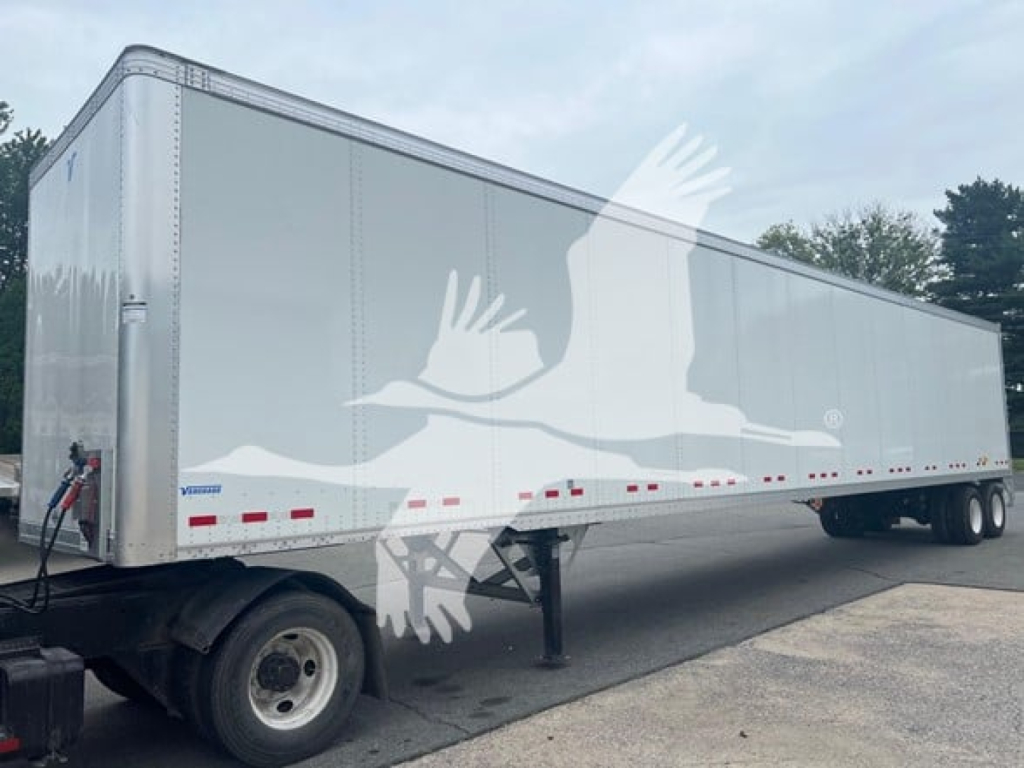
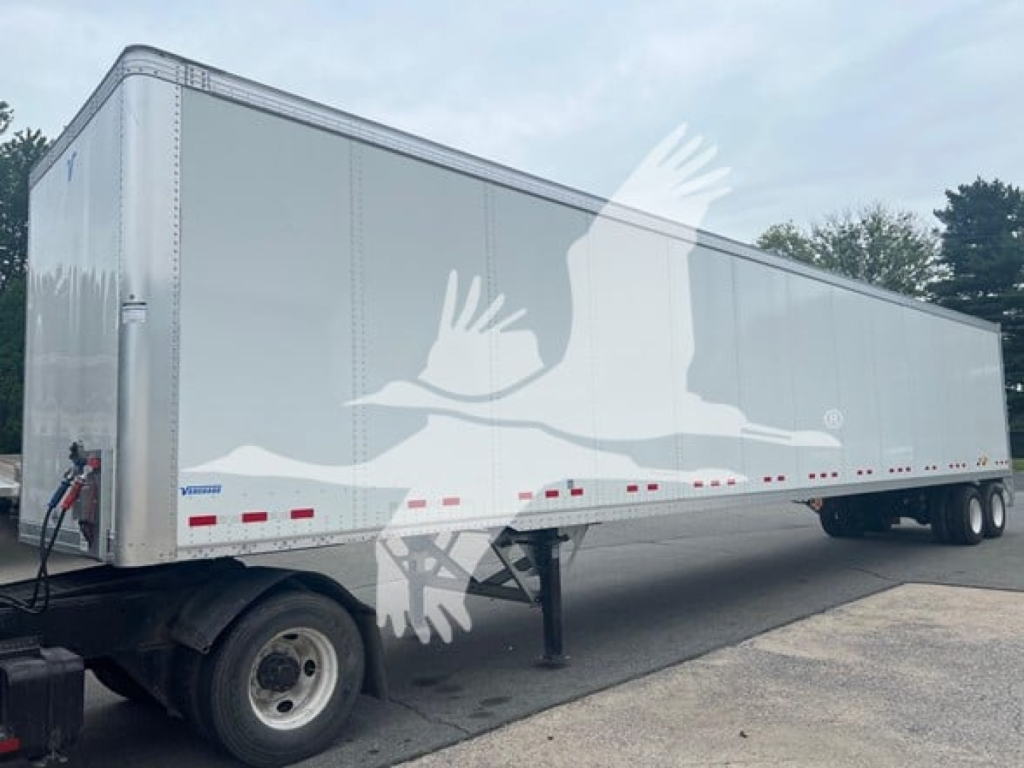
Showing 1 to 12 of 23 results
Have van trailer to sell? List it here to reach thousands of buyers.
About Van Trailers in Indiana
The details that separate one van trailer from another are in the sidewall construction, floor package, suspension, and trailer setup. Plate and composite sidewalls are common because they balance durability, weight, and repairability. A wood floor, often 1 3/8-inch oak, is still the workhorse for mixed freight because it handles forklifts well and spreads point loads better than many light-duty alternatives. Buyers moving dense freight should pay close attention to floor rating, crossmember spacing, and base rail design. A tighter crossmember layout and higher floor rating can make a real difference in forklift traffic and long-term floor life, especially in distribution work with repeated dock loading.
Cargo control matters just as much as the shell. Logistics posts, scuff liners, nose lining, and threshold plates all affect how well a trailer holds up in daily service. Posts on 48-inch spacing are common for load securement flexibility. Steel or aluminum scuff protection helps reduce wall damage from pallets and forklifts, while a reinforced rear frame and dock bumper setup are worth noting for high-cycle dock operations. Buyers should also look at rear door construction, hinge count, roof bow design, and interior dimensions such as door opening width and inside height. An inside height around 110 inches and a door opening near 99 inches wide are common on current-spec vans and can be important for cube freight and loading clearance.
Running gear and trailer geometry should match the lanes the trailer will actually run. Air ride suspension is preferred for ride quality and freight protection, and a sliding tandem with a common 49-inch setting gives operators more flexibility for bridge laws and weight distribution. A 36-inch kingpin setting is widely used and works well across much of the tractor market, but it still pays to confirm tractor-to-trailer clearance and fleet standards. Features like automatic tire inflation systems, galvanized rear frames, anti-snag roof bows, and two-speed landing gear can lower maintenance exposure and improve uptime over the life of the trailer. For many buyers, the best van trailer is not just the cheapest 53-footer. It is the one spec'd for the freight, the dock environment, and the maintenance cycle it will see every week.
Frequently Asked Questions
What is the difference between a van trailer and a reefer trailer?
A van trailer, or dry van, is an enclosed trailer designed for freight that does not require temperature control. A reefer trailer has an insulated body and a refrigeration unit for perishable or temperature-sensitive cargo. Dry vans are typically lighter, simpler to maintain, and less expensive to operate, which makes them the preferred choice for general freight, consumer goods, paper products, and most palletized shipments.
What specs matter most when buying a 53-foot van trailer?
The most important specs are sidewall construction, floor rating, crossmember spacing, inside height, door opening, suspension type, kingpin setting, and tandem slide length. These determine how the trailer handles forklift traffic, how much cargo cube it offers, how well it fits dock work, and how easily it can be matched to different tractors and lane requirements. Buyers hauling dense freight should pay especially close attention to floor package and crossmember design.
Is air ride suspension worth it on a dry van trailer?
For most operations, yes. Air ride suspension improves ride quality and helps protect freight from road shock compared with many spring suspension setups. It is especially useful for retail freight, packaged goods, and other cargo that benefits from smoother handling. Air ride is also widely accepted in modern fleet specs, so it can support resale value and broader application across regional and over-the-road service.
Why does kingpin setting matter on a van trailer?
Kingpin setting affects tractor clearance, axle weight distribution, and compatibility with fleet equipment. A common 36-inch kingpin setting works well for many highway tractors and standard van applications, but it should still be checked against wheelbase, fairing clearance, and state bridge considerations. If the trailer will move between multiple tractors, matching your fleet standard can prevent operational issues and reduce dispatch headaches.
What features help a dry van trailer hold up better in heavy dock use?
Frequent dock work puts stress on the rear frame, bumper, threshold, floor, and lower sidewall area. Buyers should look for galvanized rear components, reinforced dock bumper arrangements, strong scuff liners, durable rear doors, and a floor package built for repeated forklift loading. Logistics posts, nose lining, and anti-snag roof bows also help reduce wear and cargo damage over time. These features usually matter more in high-cycle freight service than cosmetic upgrades.