
New Hyundai Van Trailers For Sale in Illinois
Shop new Hyundai van trailers in Illinois. Compare dry van specs, HyCube and composite options, galvanized construction, air ride, and PSI.
Learn more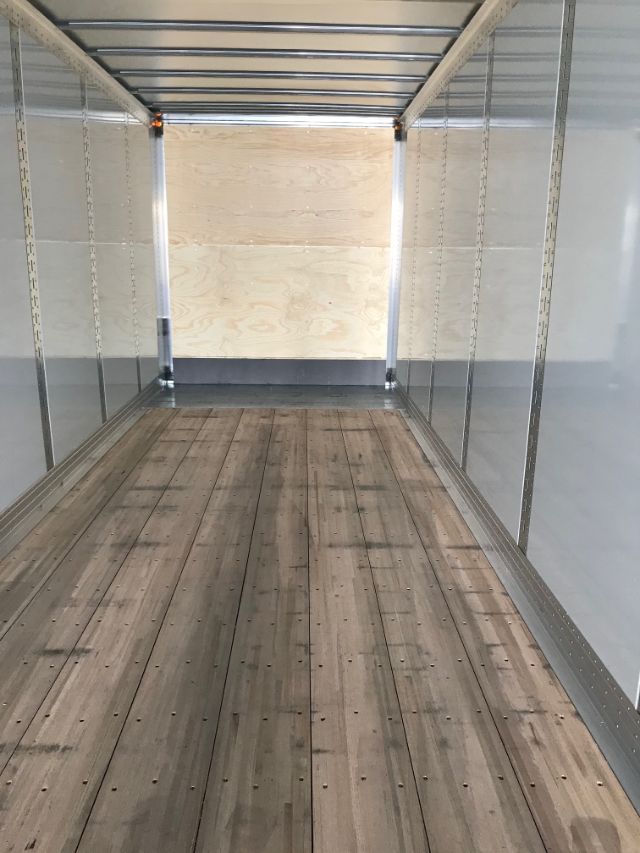
Have new hyundai van trailer to sell? List it here to reach thousands of buyers.
About New Hyundai Van Trailers in Illinois
Two spec decisions usually drive the buying process first: body construction and internal cube. Hyundai composite dry vans appeal to buyers focused on tare weight, sidewall durability, and a clean interior suited to high-frequency loading. HyCube configurations are aimed at maximizing cubic capacity for freight that cubes out before it weighs out. That can be important for shippers moving light packaged goods, e-commerce freight, or multi-stop retail loads. Common features on new Hyundai van trailers include air ride suspension for freight protection and better ride quality, swing doors for dock versatility, aluminum roofs for weight control and corrosion resistance, and tire inflation systems such as PSI to help extend tire life and reduce roadside interruptions.
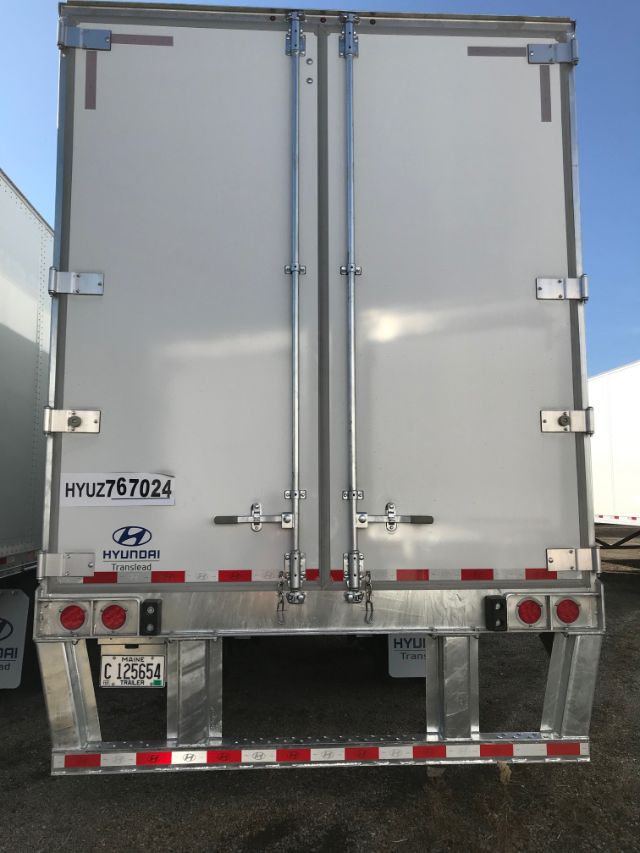
A serious buyer should also look closely at the trailer’s rear frame design, floor rating, crossmember spacing, logistics post layout, and lining spec. Dry van trailers may look similar on a listing page, but the right specification depends on freight type and loading method. Forklift-intensive operations may prioritize floor durability and threshold reinforcement. Slip-seat fleet service may put more value on standardized brake and wheel-end components. High-volume drop-and-hook operations often care about door hardware longevity, ICC bumper strength, and how the trailer tracks behind the tractor at highway speed. If the trailer will spend most of its life in the Midwest, galvanized steel components and corrosion-resistant finishes can make a meaningful difference in long-term appearance, resale value, and structural condition.
Hyundai van trailers are also known for fitting mainstream fleet requirements without overcomplicating the spec. That is useful for carriers trying to keep maintenance predictable across a growing trailer pool. When comparing new units, pay attention to suspension brand, axle rating, wheelbase, landing gear configuration, side skirt setup if equipped, and any aerodynamic package that may affect fuel economy in regional or over-the-road service. A dry van trailer is one of the most versatile assets in trucking, but the best result comes from matching the trailer’s cube, durability, and maintenance profile to the lanes and freight it will actually handle.
Frequently Asked Questions
What is the difference between a Hyundai composite van trailer and a Hyundai HyCube trailer?
A Hyundai composite van trailer is generally chosen for its balance of light weight, sidewall durability, and everyday dry freight use. A Hyundai HyCube trailer is designed to provide greater internal cubic capacity, which helps when hauling light freight that fills the trailer before it reaches legal weight. The better choice depends on your freight mix. If your loads are dense and weight-sensitive, tare weight and floor strength matter most. If your freight is bulky and lightweight, extra cube can improve revenue per trip.
Why does galvanized construction matter on a new dry van trailer in Illinois?
Galvanized construction helps protect key steel components from corrosion caused by moisture, road chemicals, and winter salt exposure. In Illinois and across the Midwest, that can have a major effect on trailer longevity, maintenance cost, and resale value. Buyers running year-round linehaul or drop-yard operations often prioritize galvanized rails, rear structure, and other exposed components because corrosion tends to show up quickly in harsh seasonal conditions.
Are air ride suspension and PSI tire inflation systems worth having on a dry van trailer?
For many operations, yes. Air ride suspension improves ride quality and can reduce cargo shock compared with mechanical setups, which is important for packaged goods, consumer products, and sensitive freight. A PSI tire inflation system helps maintain proper tire pressure while the trailer is in service, which can reduce irregular tire wear, improve uptime, and lower the chance of roadside tire failures. Both features are widely valued in fleet service because they support freight protection and operating efficiency.
What should buyers inspect in a new van trailer spec besides length and price?
The most important details usually include floor rating, crossmember spacing, door type, interior height, logistics posts, roof material, rear frame construction, axle and suspension ratings, and landing gear specification. Buyers should also review aerodynamic equipment such as side skirts, wheel-end and brake component choices, and any corrosion-resistant treatments. These details affect payload flexibility, dock performance, maintenance intervals, and long-term operating cost more than the basic listing summary often suggests.
What freight is a Hyundai dry van trailer commonly used for?
Hyundai dry van trailers are commonly used for palletized general freight, packaged food that does not require refrigeration, paper products, retail merchandise, e-commerce shipments, consumer goods, and other dock-loaded freight that needs weather protection and secure enclosure. They are one of the most versatile trailer types in trucking because they can support both over-the-road and regional applications, including drop-and-hook, dedicated fleet work, and private carriage.