
Van Trailers For Sale in Arkansas
Shop van trailers for sale in Arkansas. Compare 53-foot dry van specs, suspension, floors, doors, logistics posts, and trailer weight.
Learn moreBrowse Van Trailers by Make
Have van trailer to sell? List it here to reach thousands of buyers.
About Van Trailers in Arkansas
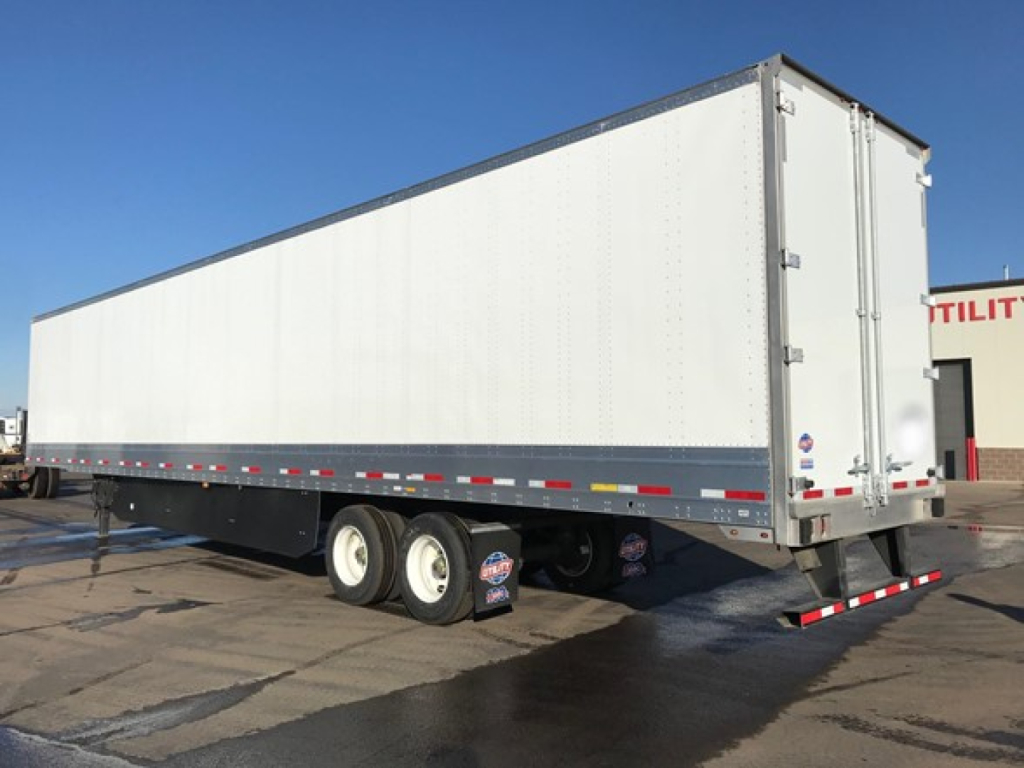
The biggest buying decisions usually come down to trailer weight, suspension, floor construction, and cargo control. Air ride suspension is common on late-model vans because it helps protect freight and reduce trailer shock, especially on longer lanes and mixed road conditions. Sliding tandem axles matter for bridge law compliance and dock approach flexibility. Wood floors remain popular because they balance cost, repairability, and forklift durability, while aluminum roofs and composite sidewall systems help manage weight and corrosion. If the freight mix includes beverages, paper, or high-cycle forklift traffic, look closely at threshold plates, scuff liners, wear bands, and the bottom rail design. Logistics posts on close centers give more tie-off flexibility for load bars and straps, which matters for shippers handling varied pallet patterns.
Rear door configuration and trailer exterior spec also deserve attention. Swing doors are still the most common on dry vans because they are simple, durable, and dock-friendly. Buyers comparing newer van trailers should also check for side skirts, tire inflation systems, LED lighting, anti-dock-walk features, and landing gear spec, since these affect operating cost, safety, and time in service. Wheel and tire package choices, including low-profile 22.5 tires, can influence deck height, replacement cost, and fleet standardization. In Arkansas operations with a mix of highway and warehouse work, practical details like dock bumpers, lock rods, mudflaps, and HD rear structures often matter just as much as the headline specs.
A good van trailer match depends on freight type, lane length, loading frequency, and how hard the trailer will be worked. High-cube dry freight usually points buyers toward a lightweight but durable spec, while dense freight may call for careful tare-weight review and floor rating verification. Fleets running drop-and-hook should pay close attention to kingpin setting, slider function, and structural condition around the nose, crossmembers, and rear frame. For buyers comparing van trailers for sale in Arkansas, the best unit is usually the one with the right balance of empty weight, interior durability, cargo securement options, and maintenance-friendly running gear for the lanes it will actually run.
Frequently Asked Questions
What is the most common van trailer size for general freight?
The most common dry van trailer size is 53 feet long and 102 inches wide with tandem axles. That configuration fits standard over-the-road freight, works with most docks, and gives the cube needed for palletized consumer goods, retail freight, and distribution freight. Shorter lengths still exist in some private fleet and regional applications, but 53-foot vans dominate the used and new market.
What should I look for in a dry van trailer floor?
Floor condition is one of the most important inspection points because forklift traffic, concentrated pallet weight, and repeated dock loading all wear the floor system. Many dry vans use wood floors because they are durable and easier to repair than some alternatives. Buyers should check board condition, fastener retention, soft spots, threshold plate wear, and any signs of damage around crossmembers. Floor rating matters if the trailer will carry beverages, paper, or other dense freight.
Why do many buyers prefer air ride suspension on van trailers?
Air ride suspension is widely preferred because it helps reduce cargo shock and generally provides a smoother ride than mechanical suspension. That matters for freight damage prevention, trailer stability, and shipper acceptance on sensitive loads. Air ride is especially common in fleets hauling retail goods, packaged products, electronics, paper, and other freight where ride quality and cargo protection are priorities.
Are side skirts and tire inflation systems worth having on a van trailer?
For many fleets, yes. Side skirts can improve aerodynamic efficiency on highway lanes, which can help reduce fuel consumption at the tractor level. Automatic tire inflation systems help maintain proper tire pressure, which supports tire life, can reduce roadside issues, and helps keep the trailer operating efficiently. The value is highest on trailers that run consistent highway miles and stay in active rotation.
What is the difference between a dry van trailer and a refrigerated trailer?
A dry van trailer is an enclosed trailer designed for freight that does not require active temperature control. A refrigerated trailer, often called a reefer, includes an insulated body and a refrigeration unit for temperature-sensitive cargo. Dry vans are typically lighter, mechanically simpler, and lower-cost to operate, making them the standard choice for general non-perishable freight.