
Utility Van Trailers For Sale in Arkansas
Browse Utility van trailers built for dry freight, with 53-foot specs, aerodynamic options, air ride suspensions, and durable cargo interiors.
Learn more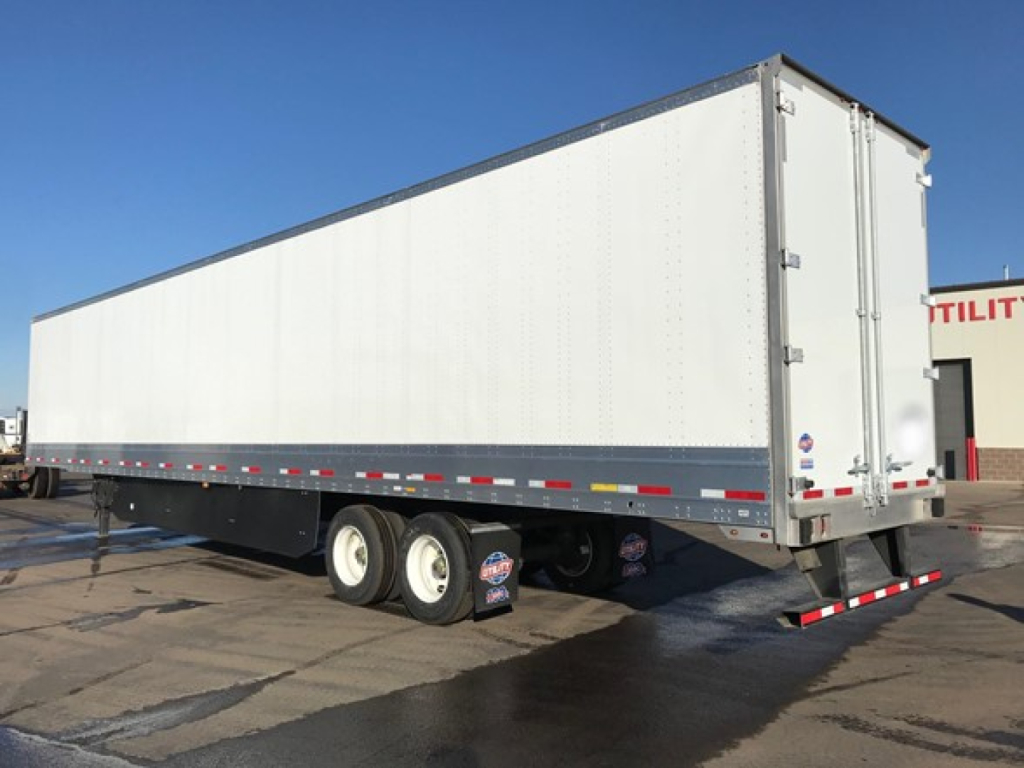
Have utility van trailer to sell? List it here to reach thousands of buyers.
About Utility Van Trailers in Arkansas
A common spec in this category includes composite or lined wall systems, logistics posts on close centers, wood flooring with multiple fasteners per board, and rear swing doors with heavy-duty threshold protection. Those details matter if the trailer will see repeated dock loading, mixed freight, and forklift traffic. Tall bottom rails, scuff protection, wearbands, and dock bumpers help reduce damage in high-touch operations. If fuel economy is part of the buying decision, side skirts and low rolling resistance tire packages are common on late-model Utility vans. Tire inflation systems are also worth attention because they help maintain proper pressure across long regional and over-the-road routes, reducing irregular wear and improving uptime.
Suspension choice is another major decision point. Air ride remains the preferred setup for many fleets hauling sensitive or higher-value freight because it improves ride quality and can reduce cargo shock. Slider tandems are standard for operators who need bridge law flexibility and better axle positioning for varying load distributions. Buyers should also compare axle ratings, wheel and tire specs, door opening dimensions, roof bow design, and the condition of the rear frame area if looking at used Utility van trailers. For shippers moving food-grade packaged products, consumer goods, paper, or automotive freight, interior cleanliness, wall condition, floor wear, and roof integrity deserve a close inspection.
Utility van trailers, also known as dry van trailers, fit a wide range of operations because they protect freight from weather, theft, and road debris while staying simple to load at most docks. The right trailer depends on freight type, loading frequency, route length, and maintenance discipline. A fleet running consistent dock-to-dock freight may prioritize aerodynamics, tire systems, and lightweight spec choices, while a tougher local or multi-stop application may lean toward extra scuff protection, reinforced flooring, and durable rear hardware. Utility remains a well-known name in this category because the trailers are widely accepted in the market, familiar to service networks, and easy for buyers to evaluate against common fleet standards.
Frequently Asked Questions
What are the most important specs to compare on a Utility van trailer?
The most important specs are trailer length and width, suspension type, tandem slider configuration, flooring construction, wall liner or composite panel design, rear door setup, and aerodynamic equipment. Buyers should also check logistics post spacing, bottom rail design, roof material, axle rating, wheel and tire package, and any tire inflation system. These details affect payload, cargo securement flexibility, maintenance cost, and how well the trailer fits dock work versus long-haul service.
Are Utility van trailers good for general dry freight?
Utility van trailers are widely used for general dry freight because they offer weather protection, broad dock compatibility, and cargo-friendly interior layouts. They are commonly used for retail freight, packaged food, paper products, consumer goods, and other palletized shipments that do not require temperature control. A properly spec'd dry van can handle high-mileage linehaul work or regional multi-stop service, depending on its floor, wall, suspension, and rear frame configuration.
Is air ride suspension worth it on a dry van trailer?
Air ride is often worth the added cost when freight is sensitive to vibration, damage claims are a concern, or the trailer will run long highway miles. It generally provides better ride quality than mechanical suspension and can help protect cargo from excessive shock. Many fleets prefer air ride for higher-value freight, grocery-related dry goods, and consistent over-the-road service, while some cost-focused applications may still choose simpler suspension setups if cargo protection is less critical.
What should I inspect on a used Utility dry van trailer?
Start with the floor, roof, rear frame, swing doors, and tandem slider area because those are high-wear points. Look for soft floor sections, patched roof leaks, damaged thresholds, cracked rear structure, corrosion, and signs of hard dock impact. Inside the trailer, inspect wall condition, scuff liners or wearbands, logistics posts, and any damage from forklifts or shifting freight. Tires, brakes, air system components, and tire inflation equipment should also be checked closely because deferred maintenance in those systems can quickly add cost after purchase.
Why do many fleets choose 53-foot Utility van trailers?
The 53-foot dry van has become the standard for maximizing cubic capacity while staying practical for most freight networks and loading docks. Utility trailers in this size are common, easy to spec, and widely recognized in the resale market. That makes parts sourcing, maintenance planning, and trailer replacement easier for many carriers. The size also supports a broad mix of pallet counts and freight profiles, which is why it remains the default choice for general freight operations.