
Vacuum Trailers For Sale in New Mexico
Vacuum trailers for sale in New Mexico, including heavy-duty non-code tankers for oilfield fluid hauling, industrial waste, and liquid transport.
Learn more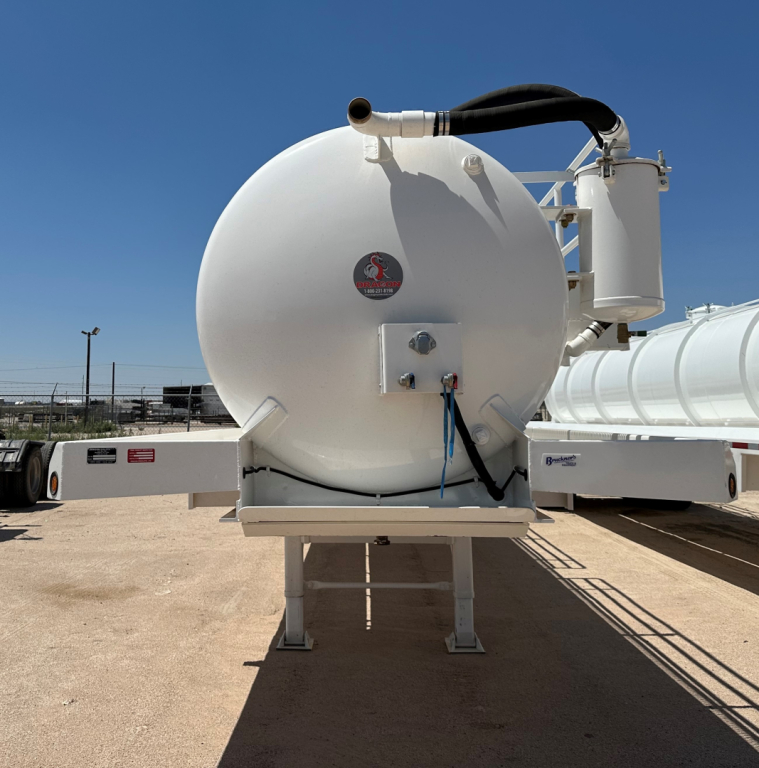
Have vacuum trailer to sell? List it here to reach thousands of buyers.
About Vacuum Trailers in New Mexico
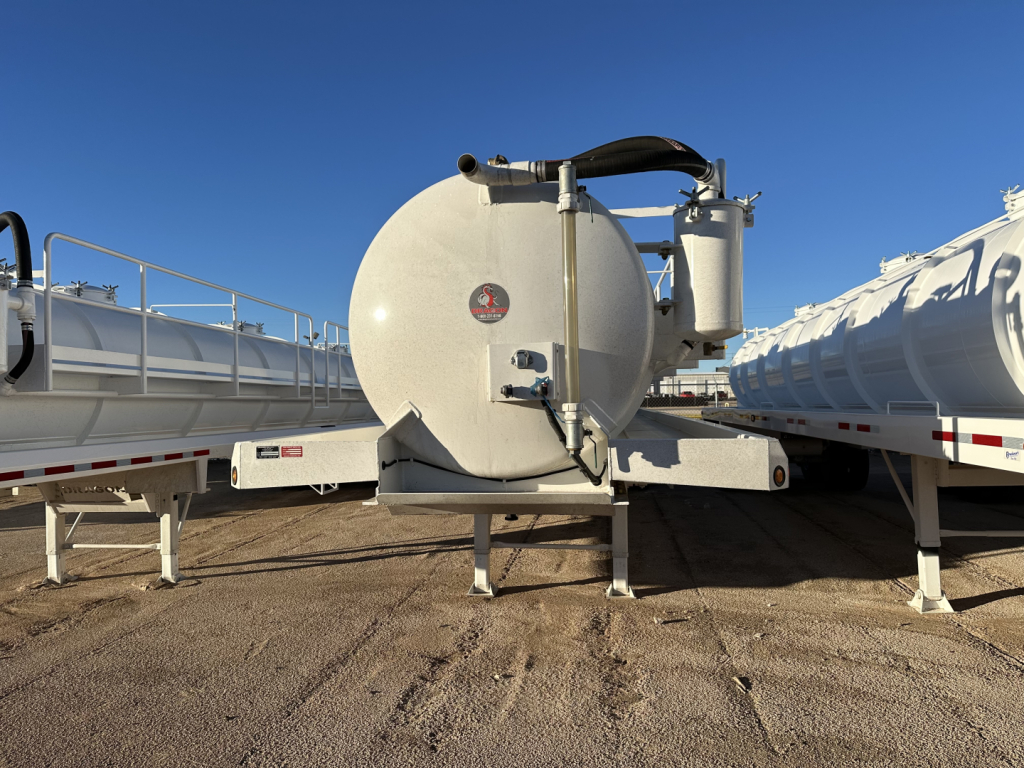
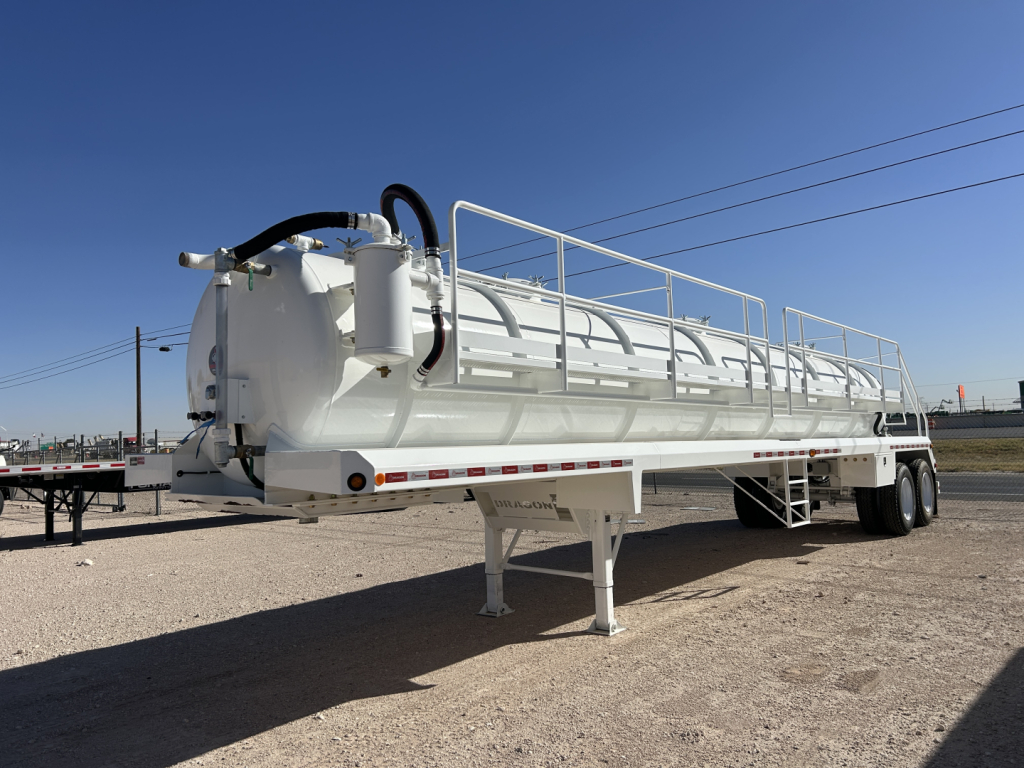
The big buying decisions are suspension, tire package, and service access. Tandem axle configurations are standard, often with 11R22.5 or 11R24.5 tires, drum brakes, and either air ride or spring ride suspension. Air ride helps protect the trailer and improve stability on mixed road conditions, while spring ride can appeal to fleets that want a simpler setup for rough lease roads and easier maintenance. Look closely at top manways, rear work lights, landing gear, sight glasses, and walkway design. Features like front and rear sight glasses, driver-side walkways with handrails, and heavy-duty two-speed landing gear matter in day-to-day loading, inspection, and unloading, especially when the trailer is used long hours in oilfield service.
Tank material and configuration also affect lifespan and compliance. Steel vacuum trailers remain common because they are durable and familiar to repair in demanding service environments. Buyers should confirm shell thickness, head construction, hose storage, valve layout, and the type of vacuum and pressure components the trailer is set up to support. If the trailer will be used for crude-related fluids, saltwater, septic service, or industrial waste, fittings and cleanout access should match the product being hauled. It is also important to verify whether the trailer is intended for non-hazardous service only or if a coded tank is required for the operation. That decision affects specification, registration, insurance, and where the trailer can legally work.
For buyers comparing vacuum tank trailers, the best unit is the one matched to the route, product, and unloading process. A trailer working full-time in the Permian Basin may prioritize rugged construction, easy inspection points, and stable running gear over cosmetic extras. A contractor handling industrial cleanup may focus more on pump compatibility, hose management, and washout efficiency. Also known as vacuum tank trailers or vac trailers, these units earn their value through uptime, simple serviceability, and the right tank spec for the material being hauled.
Frequently Asked Questions
What is the difference between a non-code vacuum trailer and a coded vacuum trailer?
A non-code vacuum trailer is generally built for specific fluid hauling applications such as oilfield service, produced water, sludge, or other non-regulated materials where a pressure vessel code stamp is not required. A coded vacuum trailer is built to a recognized tank standard for operations that require stricter compliance based on the product being transported. Buyers should verify the intended commodity, route, and regulatory requirements before purchase because code status affects legal use, insurance, and operating flexibility.
How many gallons does a 130 BBL vacuum trailer hold?
A 130 barrel vacuum trailer typically holds about 5,460 gallons, although exact usable capacity can vary slightly by manufacturer and tank design. That size is common in oilfield and industrial service because it offers strong payload capacity without moving into a more specialized trailer class. Buyers should review both nominal barrel rating and actual gallon capacity when matching a trailer to daily cycle volume.
Is air ride or spring ride better on a vacuum trailer?
Air ride suspension generally provides a smoother ride, better load protection, and improved stability on paved roads and mixed-use routes. Spring ride is simpler, often lower in cost, and can be attractive for severe-duty applications where fleets value straightforward maintenance. The better choice depends on where the trailer will run, how often it will be off-road, and how important ride quality is to tank longevity and driver preference.
What features matter most on a vacuum tank trailer?
The most important features usually include tank capacity, code status, tank material, axle configuration, suspension type, tire size, brake setup, and safe access points for loading and inspection. Buyers should also check manway configuration, sight glasses, hose storage, landing gear, valve layout, and rear lighting. These details directly affect ease of operation, cleaning time, safety, and long-term maintenance cost.
What are vacuum trailers commonly used for in New Mexico?
In New Mexico, vacuum trailers are commonly used in oilfield operations for hauling produced water, drilling mud, and other fluid waste streams. They are also used in industrial cleanup, environmental service, septic-related work, and transport of other pumpable liquid materials. Because duty cycles can be harsh and routes can include lease roads, buyers often prioritize rugged construction, serviceable components, and a tank setup that fits regional job demands.