
Dragon Vacuum Trailers For Sale in New Mexico
Browse Dragon vacuum trailers for oilfield and industrial hauling, including common barrel sizes, non-code specs, suspension choices, and key buying points.
Learn more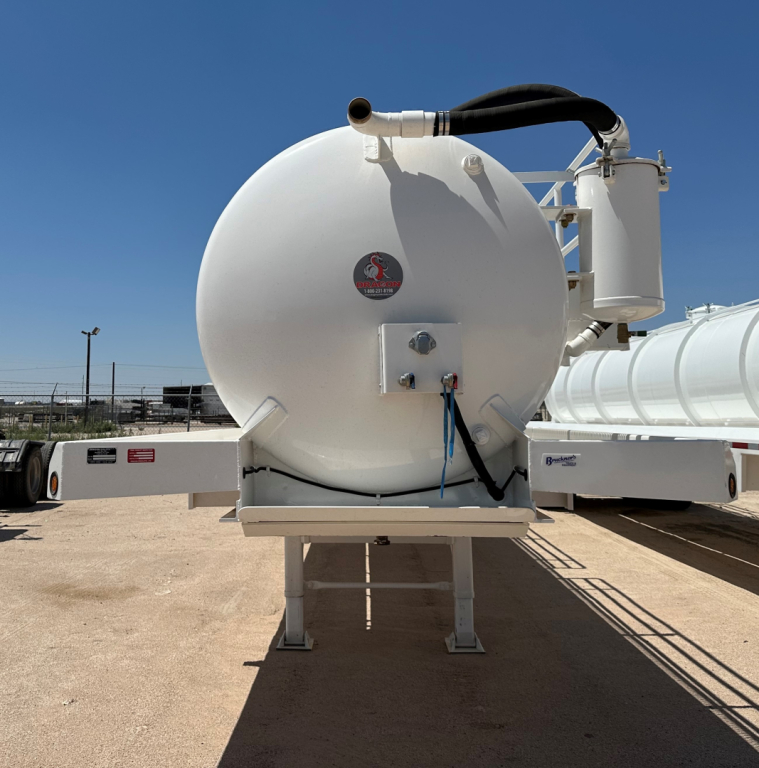
Have dragon vacuum trailer to sell? List it here to reach thousands of buyers.
About Dragon Vacuum Trailers in New Mexico
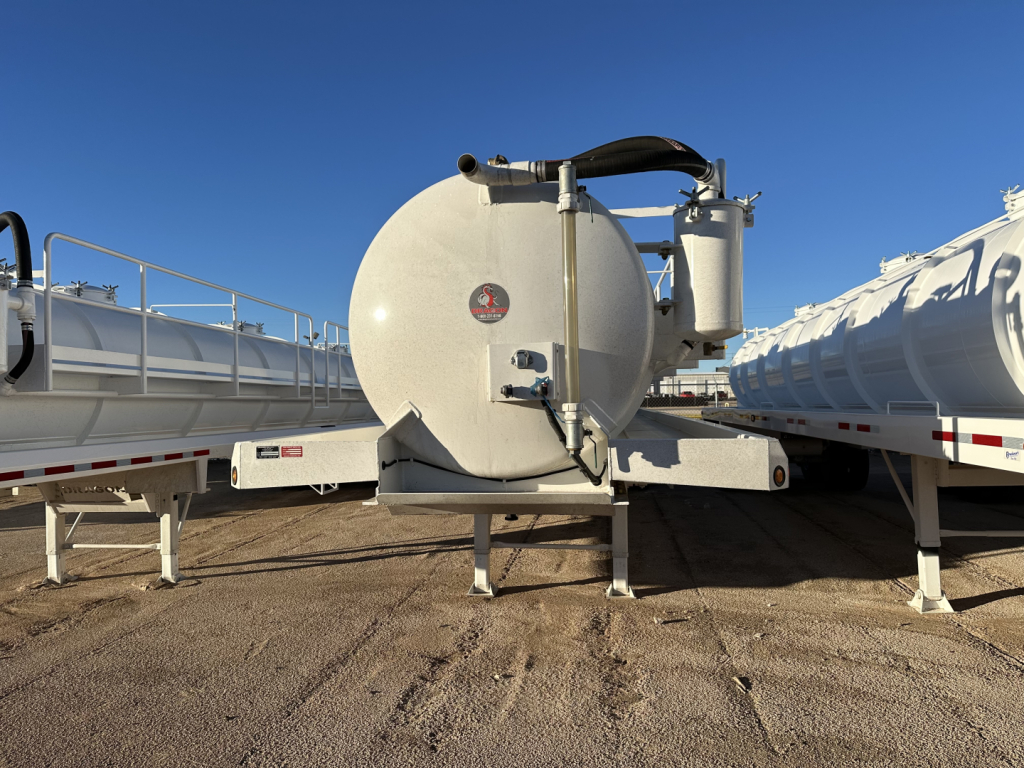
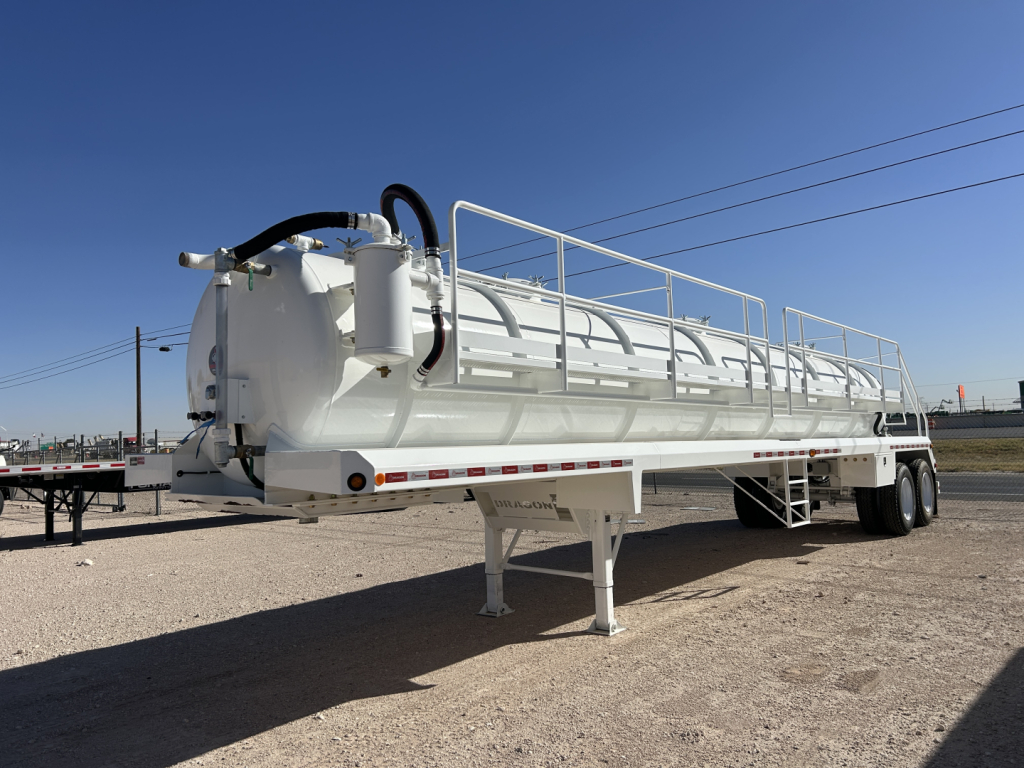
Tank capacity is usually one of the first decisions. Dragon vacuum trailers are commonly found in barrel-rated capacities such as 110 BBL, 120 BBL, and 130 BBL, and the right size depends on product weight, haul distance, and local bridge law limits. Buyers should pay close attention to whether the trailer is non-code or built to a specific pressure standard, along with shell material, internal baffling, rear door design, and sight glass placement. Features like front and rear sight glasses, top hatches, hose trays, and discharge plumbing can make a real difference in day-to-day loading and unloading efficiency.
Running gear and chassis specs deserve close review because vacuum trailers work in rough service. Spring suspension is common and remains popular for oilfield routes and lease roads because it is simple, durable, and familiar to most shops. Tire size, wheel type, axle rating, brake specification, and frame condition all affect operating cost and uptime. In New Mexico, buyers often balance highway miles with field access, so ground clearance, suspension durability, and serviceability are just as important as listed barrel capacity. A trailer that looks right on paper can still be a poor fit if the suspension, tires, or plumbing layout are mismatched to the route and product.
The strongest buying approach is to match the trailer to the product stream and the vacuum system it will work with. Confirm the intended fluid type, loading method, washout requirements, and disposal process before narrowing by price alone. Dragon has a strong presence in vacuum trailer applications because these trailers are generally straightforward, field-oriented, and built around practical service needs. For most buyers, the best unit is the one with the right capacity, legal weight profile, durable suspension, and tank specification for the work, not simply the newest trailer on the page.
Frequently Asked Questions
What is the most important spec to compare on a Dragon vacuum trailer?
Capacity is usually the first spec buyers compare, but legal payload is the more important number. A 130 BBL vacuum trailer may look ideal for maximizing volume, yet the actual advantage depends on product weight, axle ratings, tare weight, and state bridge laws. Buyers should compare barrel capacity alongside tank construction, suspension, and the type of fluid being hauled so the trailer can work legally and efficiently in the intended service.
What does non-code mean on a vacuum trailer?
A non-code vacuum trailer is generally built for vacuum service without being certified to a pressure vessel code for higher pressure applications. That matters because the trailer must match the product, loading method, and customer requirements. For many oilfield and waste hauling jobs, a non-code tank is standard and cost-effective, but buyers should always verify site rules, disposal requirements, and operating limits before purchase.
Is spring suspension a good choice for a vacuum trailer?
Spring suspension is a common choice because it is durable, simple to maintain, and well suited to harsh field conditions. It performs well in oilfield service where trailers see uneven roads, frequent loading cycles, and heavy contamination. Buyers who prioritize easy maintenance and rugged service often prefer spring suspension, while those focused on ride quality or specialized highway work may compare other suspension types.
What fluids are Dragon vacuum trailers commonly used to haul?
Dragon vacuum trailers are commonly used for produced water, drilling fluids, sludge, mud, and other liquid or semi-liquid waste streams tied to oilfield and industrial operations. The exact suitability depends on tank spec, plumbing layout, and the vacuum system paired with the trailer. Buyers should confirm material compatibility, cleanout needs, and unloading method before selecting a trailer for a specific product stream.
What should buyers in New Mexico pay attention to when choosing a vacuum trailer?
In New Mexico, a vacuum trailer often has to handle both highway travel and rough access roads, so durability matters as much as capacity. Buyers should review axle ratings, tire size, suspension type, brake condition, and overall chassis setup with local road conditions and legal weights in mind. A trailer that is easy to service in the field and properly matched to lease road conditions can reduce downtime and improve long-term operating cost.