
Used HARMON Vacuum Trailers For Sale
Browse used HARMON vacuum trailers built for liquid waste, industrial cleanup, and pumping work with durable tanks, hose storage, and vacuum systems.
Learn more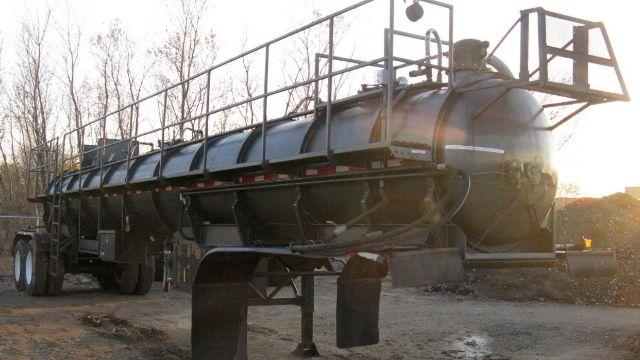
Have used harmon vacuum trailer to sell? List it here to reach thousands of buyers.
About Used HARMON Vacuum Trailers
Tank size and plumbing layout are usually the first decision points. Many vacuum trailers in this class are set up with multiple side and rear inlet-outlet connections, common coupler sizes like 2-inch and 4-inch fittings, hose compartments, and catwalk access for safer operation around the tank. Buyers should pay close attention to nominal gallon capacity versus legal payload, especially if the trailer will be used across state lines or in applications with heavier product. Product temperature limits, loading and unloading pressure limits, and the condition of the rear door, seals, and any internal baffles all affect how well a used vacuum trailer will handle day-to-day service.
On older HARMON vacuum trailers, the running gear deserves as much attention as the tank itself. Tandem axle configurations, air brakes, suspension condition, tire size, landing gear, frame integrity, and lighting all affect operating cost and roadability. The vacuum package is equally important. Some units use hydraulic-driven blowers or pumps, and buyers should verify blower condition, oiling system function, PTO or hydraulic compatibility, and how quickly the trailer builds and releases vacuum. A trailer that looks acceptable but has worn valves, weak shutoffs, or hard-to-source pump components can become expensive fast.
HARMON vacuum trailers are often a practical fit for fleets that need a dedicated pull-behind vacuum tank rather than a full vacuum truck. They can be paired with the right tractor for regional service work, plant support, environmental jobs, or waste transport where maneuverability and capacity need to be balanced. When comparing used units, look for evidence of proper cleaning, documented repairs, current brake and tire condition, and any signs of barrel corrosion around fittings, seams, and low points. A well-maintained used HARMON vacuum trailer can still deliver solid service life if the tank, plumbing, and vacuum system have been cared for properly.
Frequently Asked Questions
What should I inspect first on a used HARMON vacuum trailer?
Start with the tank barrel, rear door, weld seams, valves, and vacuum system. Structural issues in the tank or frame are usually more expensive than normal wear items like tires or lights. Check for corrosion around low points, stress cracks near mounts and fittings, seal condition on the rear opening, and whether the blower or pump builds vacuum properly. A full inspection should also include brakes, suspension, landing gear, hoses, and couplers.
How important is tank capacity on a vacuum trailer?
Tank capacity matters, but legal payload and product weight matter more. A larger gallon rating does not always mean a more productive trailer if the material being hauled is heavy enough to reach axle or gross weight limits before the tank is full. Buyers should match nominal capacity to the intended product, route length, and tractor setup. It is also important to confirm pressure and temperature limits for the material being loaded and unloaded.
Are older HARMON vacuum trailers still worth buying?
Yes, if the tank, plumbing, and vacuum components are sound. Many older vacuum trailers were built heavily and can remain productive for years, but condition is everything. A clean tank with solid welds, functional valves, and a healthy blower is usually a better buy than a newer trailer with corrosion, poor repairs, or neglected running gear. Service records and evidence of proper maintenance add real value on older units.
What applications are vacuum trailers commonly used for?
Vacuum trailers are commonly used for septic and grease waste, sludge hauling, industrial cleanup, hydro-excavation support, environmental remediation, and liquid byproduct transfer. The exact fit depends on tank rating, hose and valve configuration, and the type of vacuum system installed. Some are set up for general liquid waste service, while others are better suited for plant work or specialized pumping applications.
What vacuum system details should a buyer verify?
Confirm the make and model of the blower or pump, drive method, operating condition, and parts support. Buyers should know whether the trailer uses a hydraulic-driven setup or another drive arrangement, how quickly the system develops vacuum, and whether gauges, shutoffs, relief protection, and oiling systems function correctly. A vacuum trailer is only as useful as its pumping system, so this part of the inspection should be treated as critical.