
Trailers For Sale Near Vacaville, California
Browse trailers for sale in Vacaville, CA, including dry vans and reefer trailers with common specs, applications, and buying tips.
Learn more
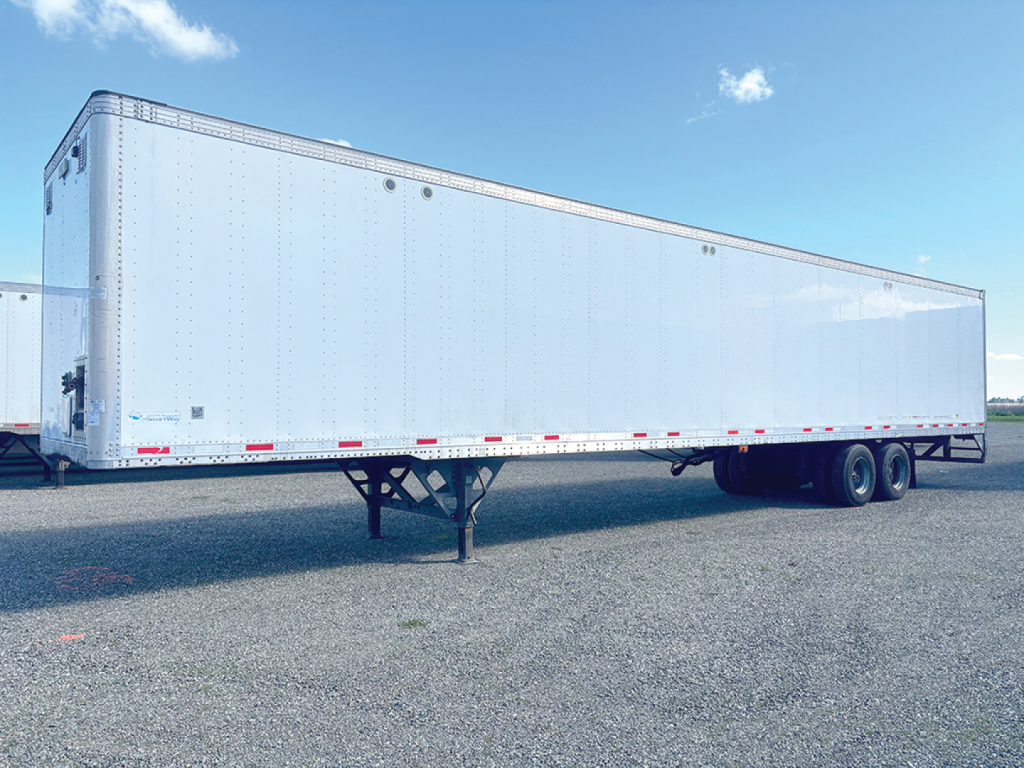
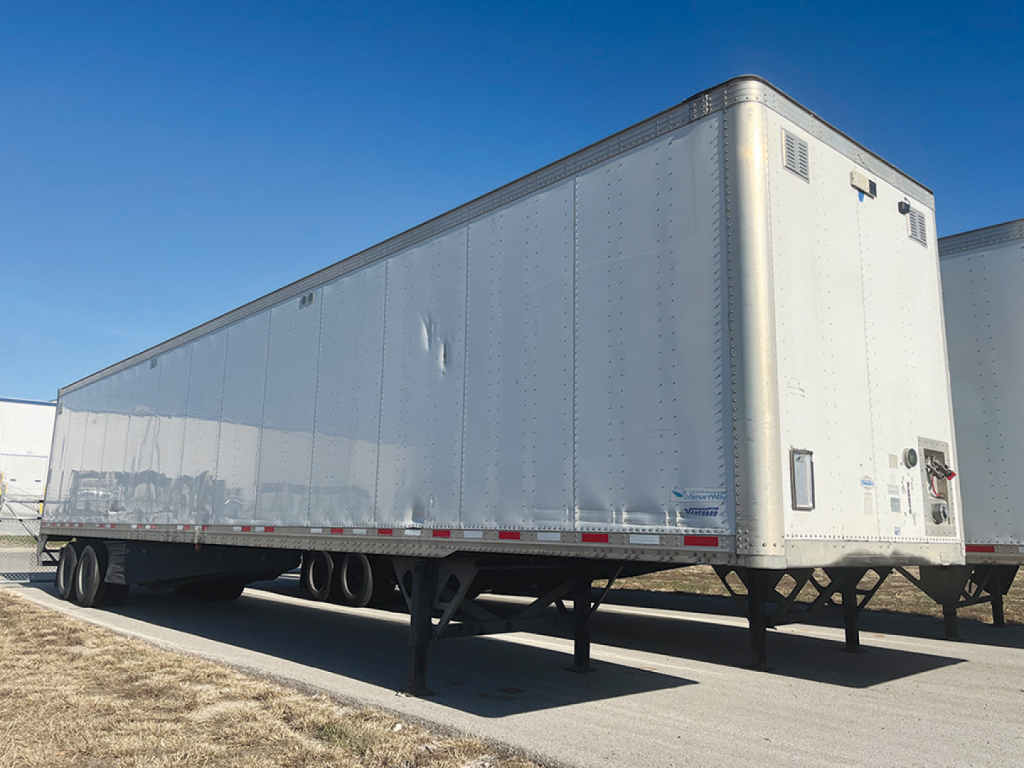
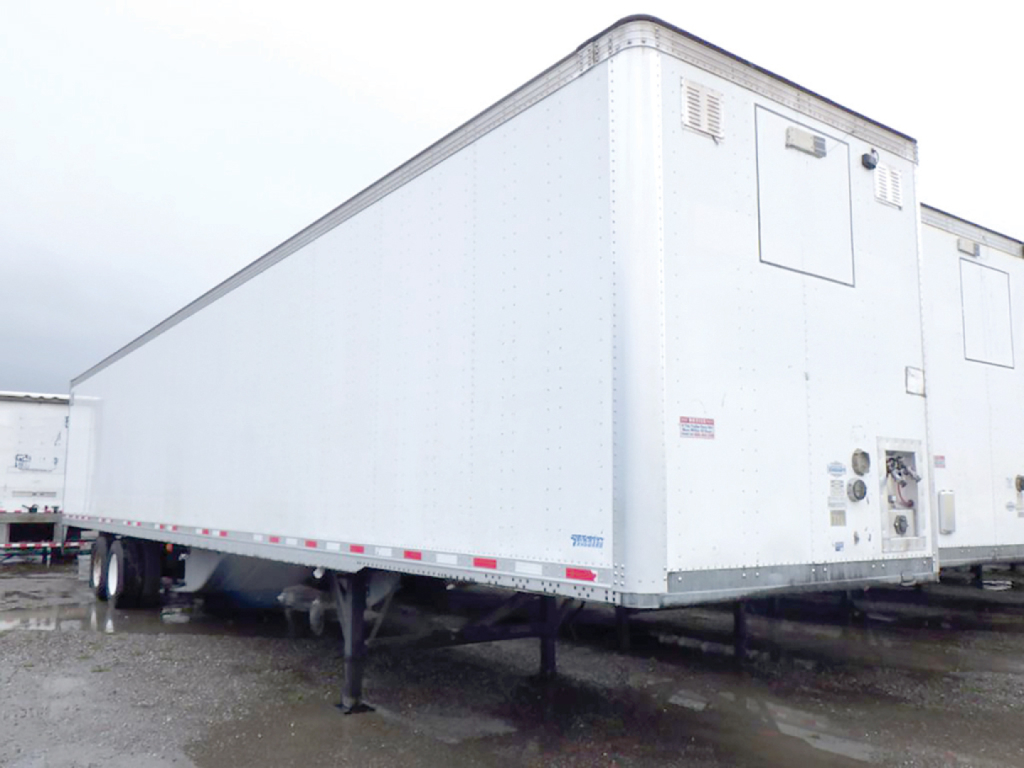
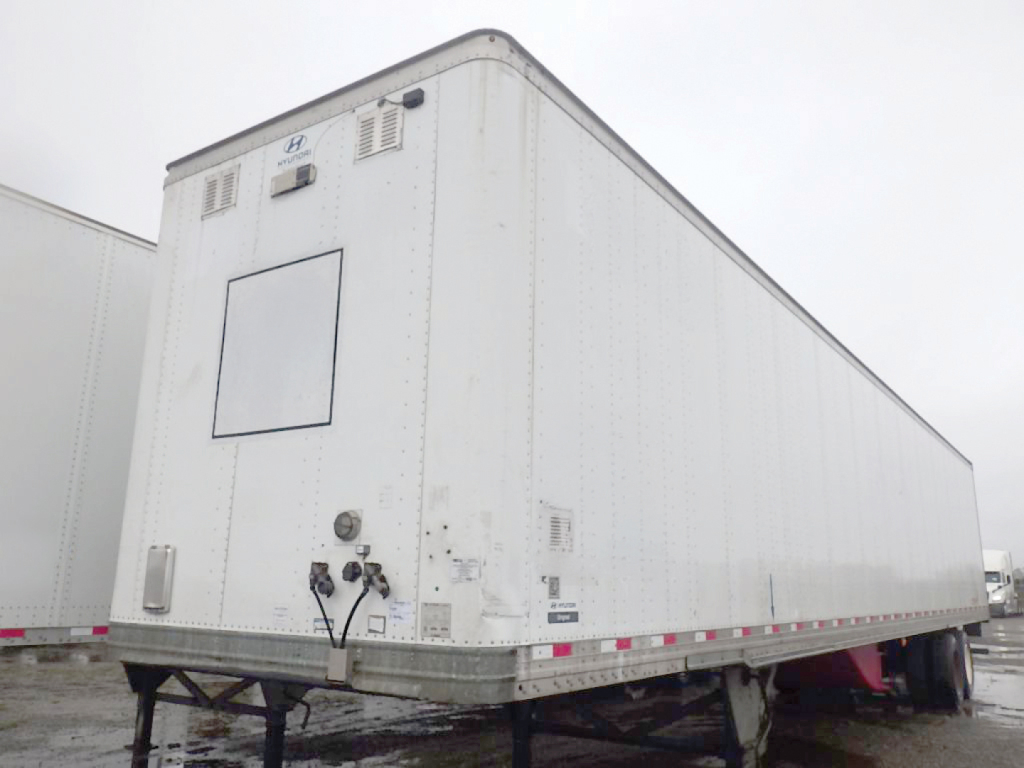
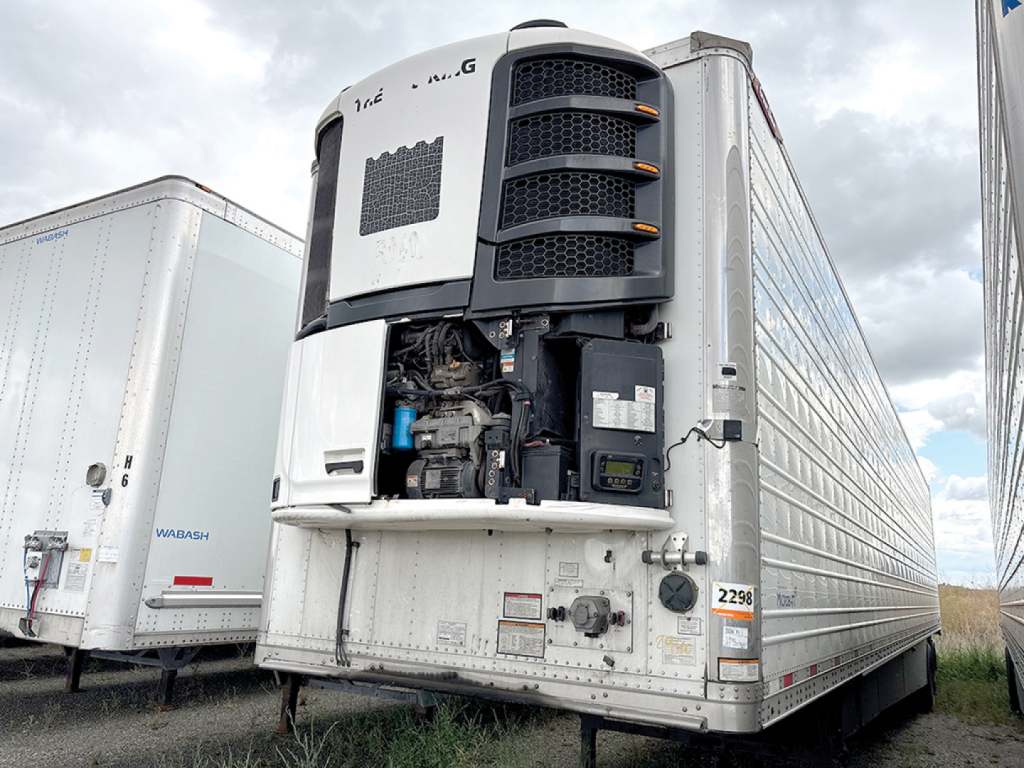
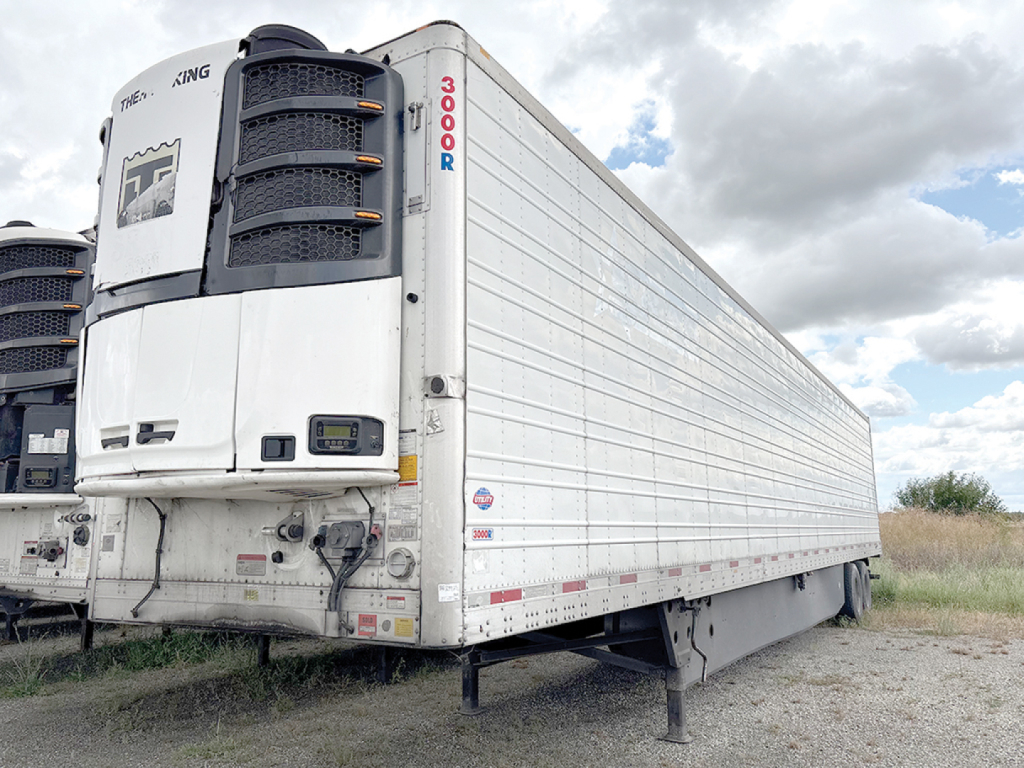
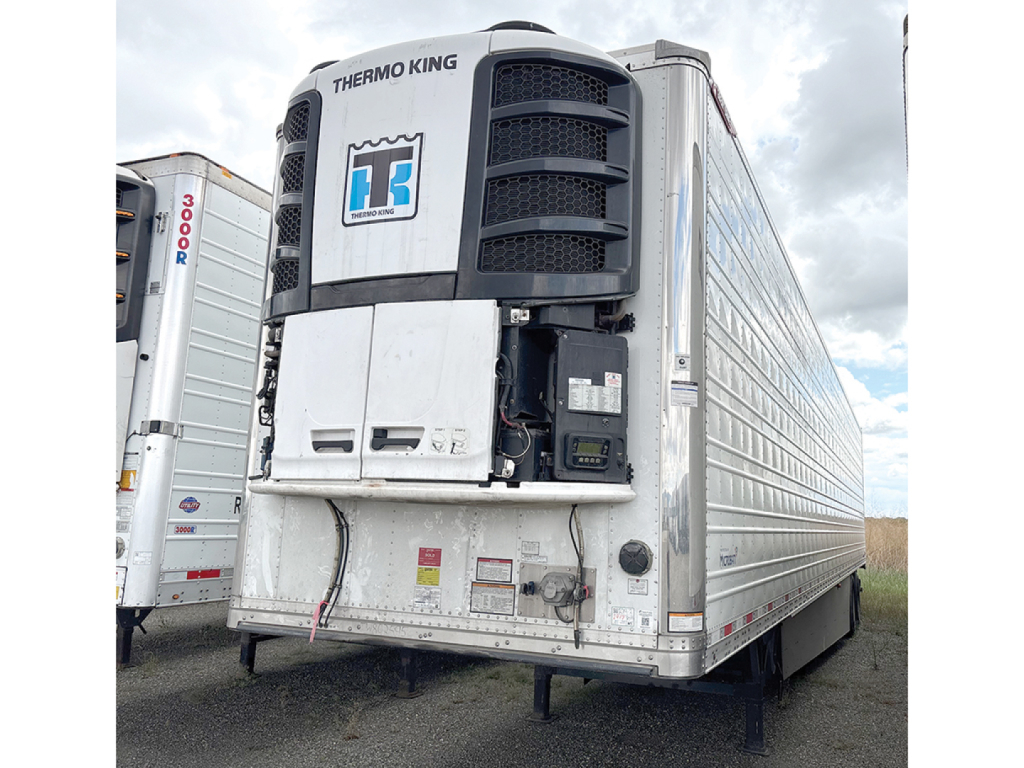
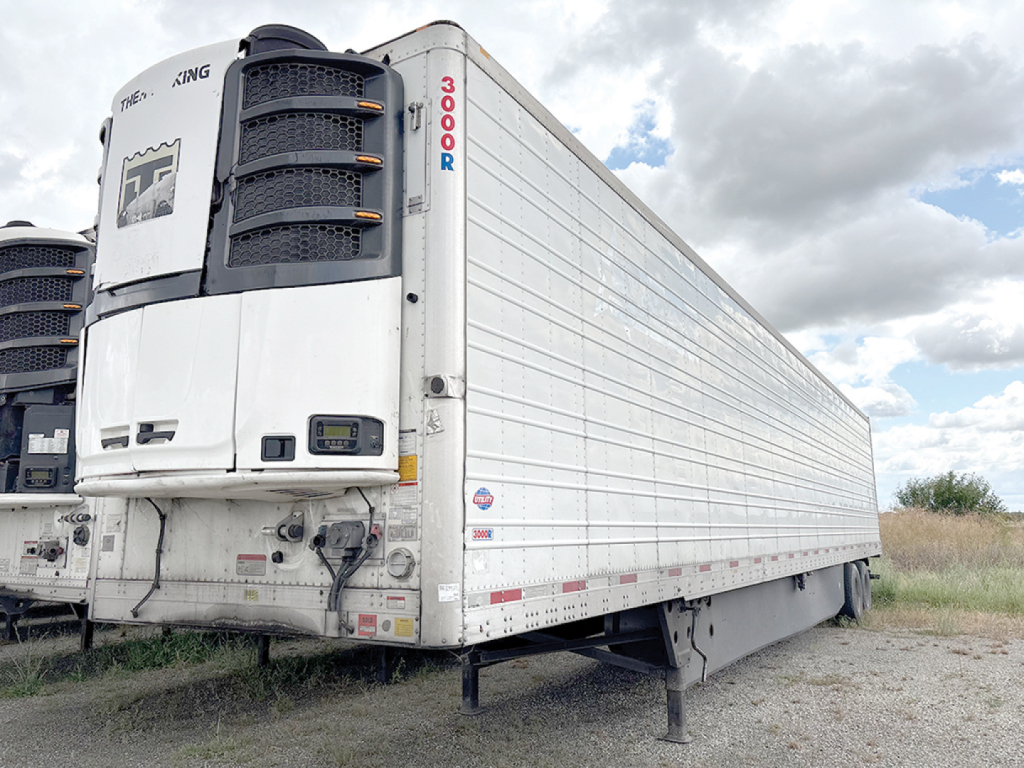
Showing 13 to 21 of 21 results
Have trailer to sell? List it here to reach thousands of buyers.
About Trailers Near Vacaville, California
For dry van buyers, the key build details are usually floor type, logistics equipment, rear door configuration, and suspension. A wood floor remains common because it is durable, familiar to repair, and handles mixed freight well. Logistics posts, E-track, scuff liners, threshold plates, and side skirts can add real operational value depending on the lanes. Swing doors are still preferred for many dock operations because they are simple and durable, while roll-up doors can be useful in high-frequency delivery work where rear clearance matters. Tire inflation systems, disc wheels, and sliding tandems are also worth attention because they affect uptime, compliance flexibility, and long-term operating cost.
On reefer trailers, buyers should look closely at the refrigeration unit model, hours, service history, and the condition of the insulated body before focusing on appearance. Unit brand and series matter because parts support, fuel use, and technician familiarity can vary across Thermo King and Carrier platforms. Interior configuration is equally important. Aluminum duct floors, flat floors, cold chutes, vents, stainless steel door frames, and scuff protection all affect airflow, cargo protection, and washout durability. Door style matters on reefers too. Swing doors generally provide strong sealing and are common in long-haul food service and grocery work, while roll-up doors may fit multi-stop operations if temperature retention is still acceptable for the route.
In California, trailer buyers also tend to weigh aerodynamics, weight, and maintenance planning more heavily because fuel cost and utilization are major operating factors. Side skirts can improve efficiency on linehaul work, while lightweight aluminum construction can preserve payload on high-cube freight. It also pays to check tandem slide operation, brake condition, tire date codes, wheel-end maintenance, roof integrity, floor wear, and signs of impact damage around the front rail and rear frame. The best trailer for the job is not just the newest one. It is the one whose specification matches the freight, route density, dock conditions, and maintenance program behind it.
Frequently Asked Questions
What is the difference between a dry van trailer and a reefer trailer?
A dry van trailer is an enclosed trailer for general freight that does not require temperature control. A reefer trailer is an insulated trailer with a self-powered refrigeration unit designed to maintain cargo at specific temperatures. Dry vans usually cost less to buy and maintain, while reefers are built for food, beverage, produce, frozen goods, and other temperature-sensitive freight.
What trailer size is most common for over-the-road freight?
The most common over-the-road trailer size is 53 feet long, 102 inches wide, and 13 feet 6 inches high. That configuration is widely used for both dry vans and refrigerated trailers because it maximizes legal cubic capacity for standard truckload operations. Buyers should still confirm state bridge, axle, and kingpin setting requirements for their intended lanes.
What should I inspect first on a used reefer trailer?
Start with the refrigeration unit hours, maintenance records, and operating performance, then move to the trailer body and insulation integrity. Buyers should also inspect the floor type, door seals, evaporator area, bulkhead or chute components, and evidence of water intrusion or prior damage. A reefer can look clean and still need expensive unit or body work, so mechanical and structural condition matter more than cosmetic appearance.
Are swing doors or roll-up doors better on a trailer?
Swing doors are generally preferred for full truckload and dock-based operations because they are durable, seal well, and are simpler to maintain. Roll-up doors can be advantageous in tight delivery spaces or frequent-stop applications where rear door swing clearance is limited. The better choice depends on loading environment, stop frequency, and how important temperature retention or door maintenance is to the operation.
Why do sliding tandems matter on a semi-trailer?
Sliding tandems let the operator shift axle position to meet bridge laws, distribute weight correctly, and improve maneuverability at docks or in tight yards. They are especially important in regional and multi-state operations where axle compliance requirements can vary. Buyers should confirm that the slide rail, pins, and locking mechanism move freely and show no signs of excessive wear or damage.