
Used Trailers For Sale in Illinois
Browse used trailers for sale in Illinois, including dry vans and reefers with common specs, applications, and buying points that matter.


Showing 85 to 112 of 283 results
Selling a used trailer? List your used trailer for sale and reach thousands of commercial buyers.
Used Trailers in Illinois
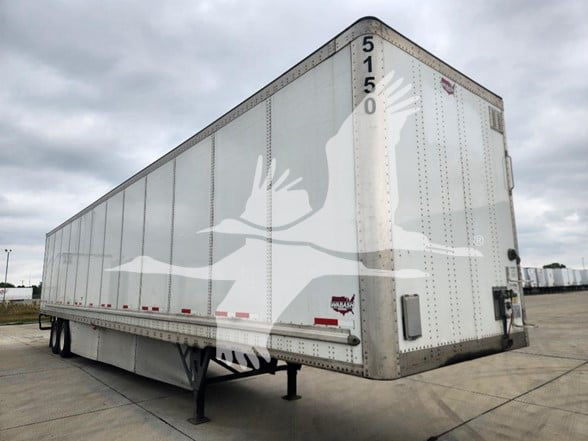
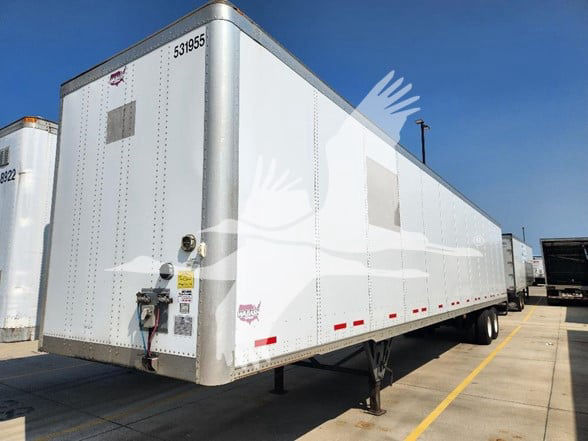
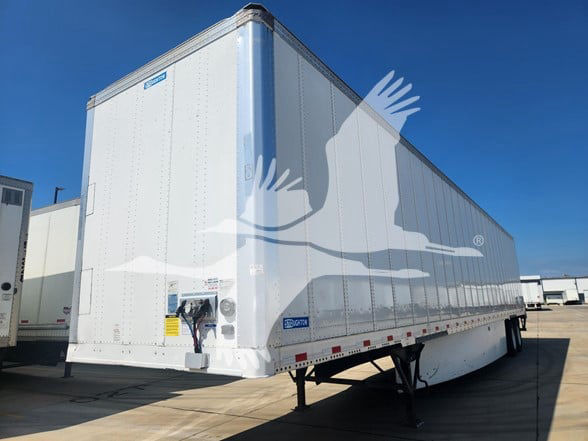
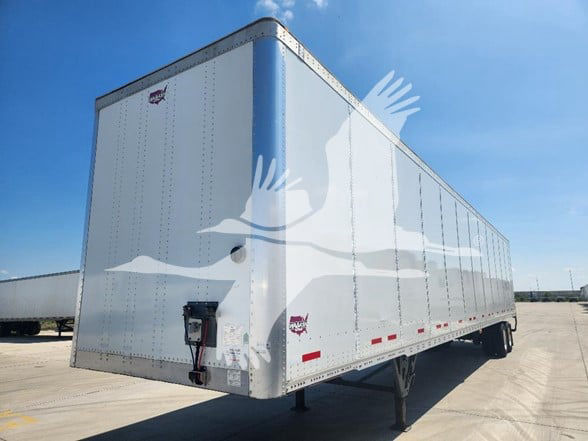
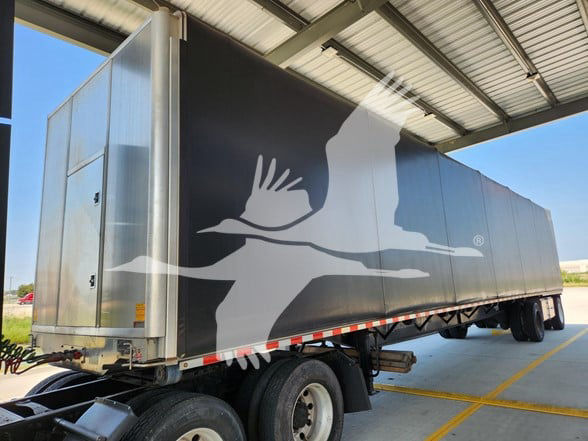
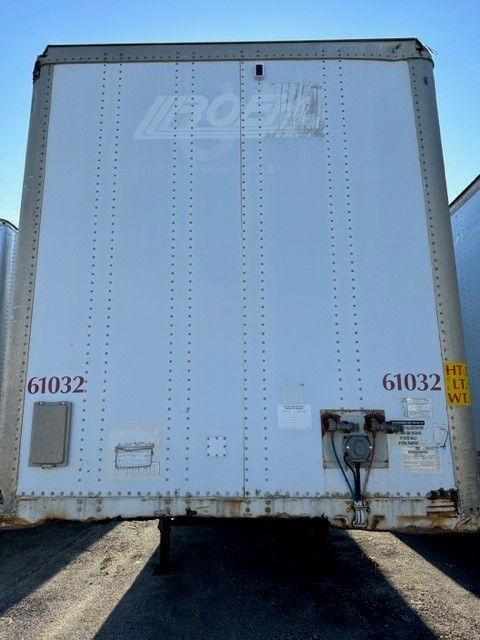
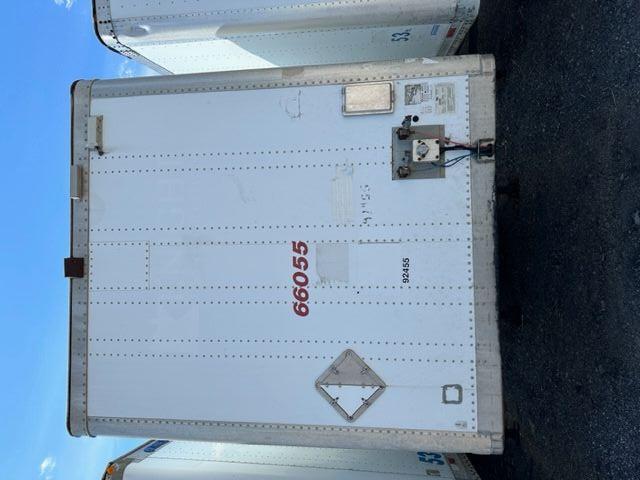
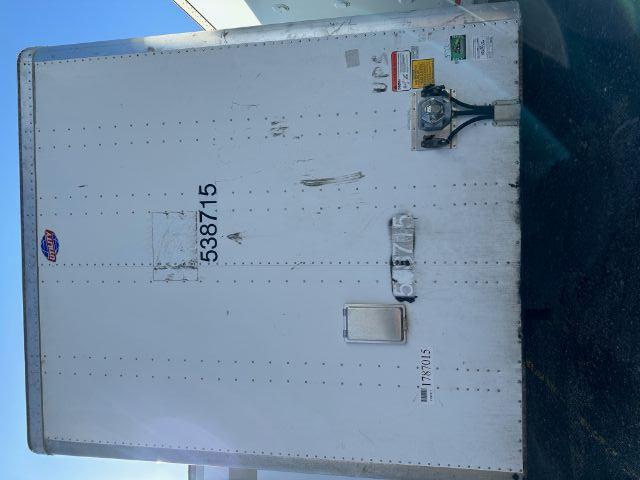
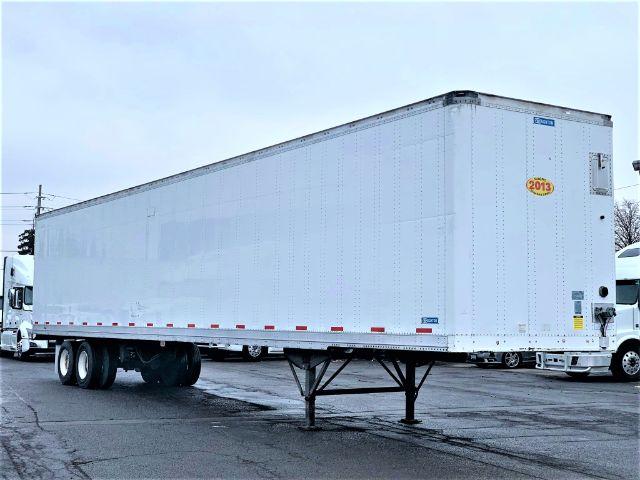
For dry van trailers, the most common configuration is a 53-foot by 102-inch wide aluminum van with air ride suspension and a sliding tandem. Many buyers also look for plywood lining, scuff liners or scuff plate protection, threshold plates, wood floors, and logistics posts or E-track for load securement. Roll-up doors are common in city and multi-stop work, while swing doors are often preferred when maximum rear opening and simpler maintenance matter more. Side skirts, low-profile 22.5 tires, disc or steel wheels, and tire inflation systems can add operating efficiency, especially for fleets running high annual miles. A 48-foot van still fits certain regional and dedicated applications and can be a smart buy where dock access, route restrictions, or lower acquisition cost matter.
Used reefer trailers add another layer of inspection because the refrigeration unit is as important as the trailer body. Buyers should pay close attention to the reefer unit brand, hours, service records, evaporator and condenser condition, floor wear, door seal integrity, and insulation performance. Common specs include tandem axles, aluminum construction, swing doors, low-pro tires, and flat or duct floors depending on freight type. In Illinois, reefer demand is supported by food distribution, grocery, cold storage, and temperature-sensitive freight moving through Chicago and other major logistics hubs. A reefer may look clean on the outside and still need expensive unit work, so pre-purchase evaluation should include both trailer structure and cooling performance under load.
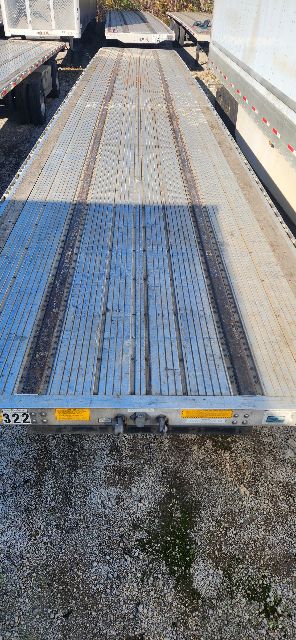
Condition matters more than model year alone on any used trailer. Check the roof, front wall, crossmembers, rear frame, ICC bumper, landing gear, suspension components, brake condition, ABS function, and signs of patching or corrosion around the subframe and door frame. Verify kingpin wear, tandem slide operation, tire date codes, wheel-end condition, and floor integrity, especially in high-traffic forklift lanes. Illinois buyers should also think about registration, bridge-law compliance, and how the trailer’s specs fit the freight they actually haul. The right used trailer is the one with a sound chassis, a usable body, and features that support turnover time, freight protection, and maintenance cost control.
Frequently Asked Questions about Used Trailers in Illinois
What are the most common used trailer types for sale in Illinois?
The most common used trailers in Illinois are dry van trailers and refrigerated trailers, also called reefer trailers. Dry vans are the standard choice for general freight, palletized consumer goods, retail distribution, and warehouse transfers. Reefers are used for food, beverage, pharmaceutical, and other temperature-controlled loads. Flatbeds, drop decks, and chassis are also part of the broader trailer market, but dry vans and reefers tend to dominate high-volume freight lanes in Illinois.
What specs matter most when buying a used dry van trailer?
The key specs are usually length, width, height, suspension, axle position, door type, and interior cargo control setup. A 53-foot by 102-inch trailer with air ride and sliding tandems is the standard fleet configuration for many over-the-road operations. Buyers should also check floor condition, scuff liner wear, E-track or logistics posts, roof integrity, rear frame condition, and the operation of the doors. These details affect both loading efficiency and long-term maintenance cost.
How do I evaluate a used reefer trailer before buying?
Start with the refrigeration unit, including unit hours, service history, startup behavior, temperature pull-down performance, and any active fault codes. Then inspect the trailer body for insulation issues, damaged interior walls, floor wear, door seal leaks, and signs of moisture intrusion. A reefer trailer should be judged as both a trailer and a cooling system. If either side has major deficiencies, repair costs can rise quickly.
Is a 48-foot trailer still a practical used trailer option?
Yes, a 48-foot trailer can still be practical for regional hauling, dedicated contract freight, and operations where dock space or route access makes a shorter trailer easier to manage. It may also come at a lower purchase price than a comparable 53-foot unit. The tradeoff is reduced cubic capacity and, in some lanes, less flexibility compared with the more common 53-foot setup. The right choice depends on freight profile, customer requirements, and how much cube your operation actually needs.
What wear points should I inspect on any used trailer?
Focus on the floor, roof, front wall, crossmembers, rear frame, landing gear, suspension, brakes, tires, wheels, and kingpin area. On sliding tandem trailers, make sure the slide rails and locking pins are in good condition and operate correctly. Look for uneven tire wear, corrosion, cracked welds, patched panels, and damage from forklifts around the threshold and lower interior walls. These areas usually tell you more about the trailer’s true condition than paint or model year.