
Used 2019 Trailers For Sale
Browse used 2019 trailers for sale, including common trailer types, specs, axle setups, body materials, and application-focused buying factors.
Learn morePopular Trailers Categories
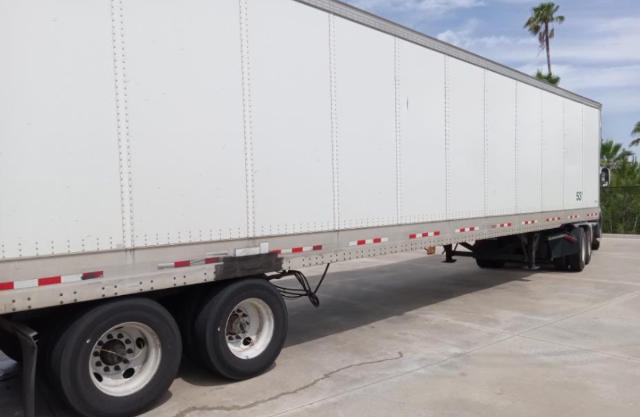
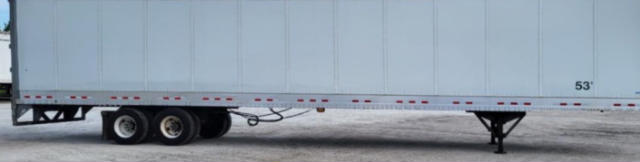
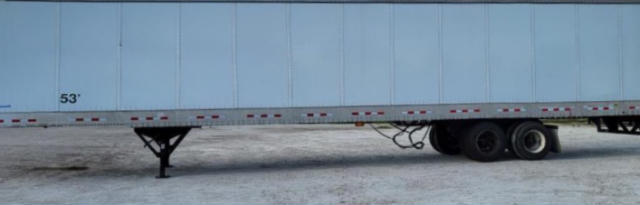
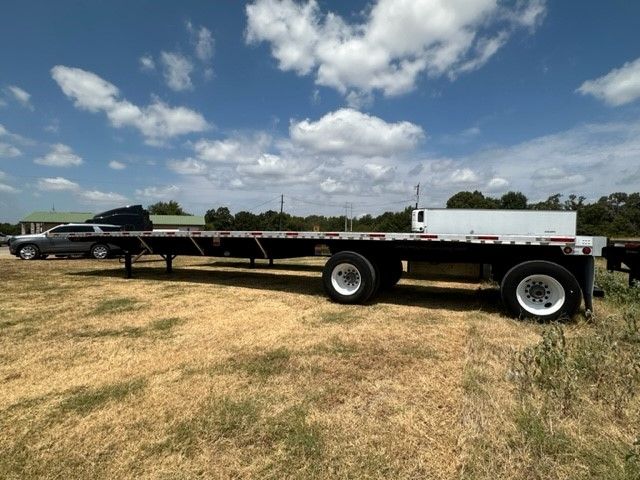
Showing 121 to 132 of 132 results
Have used 2019 trailer to sell? List it here to reach thousands of buyers.
About Used 2019 Trailers
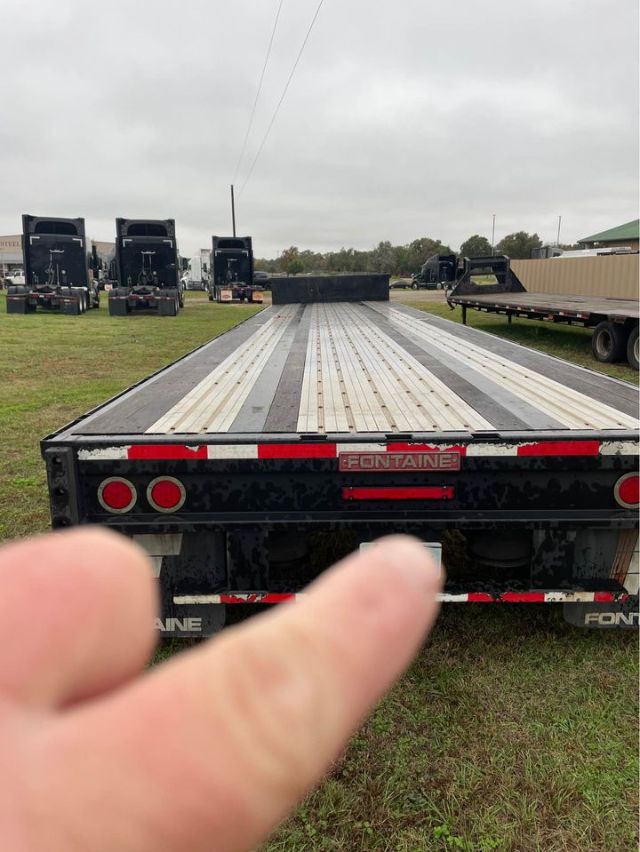
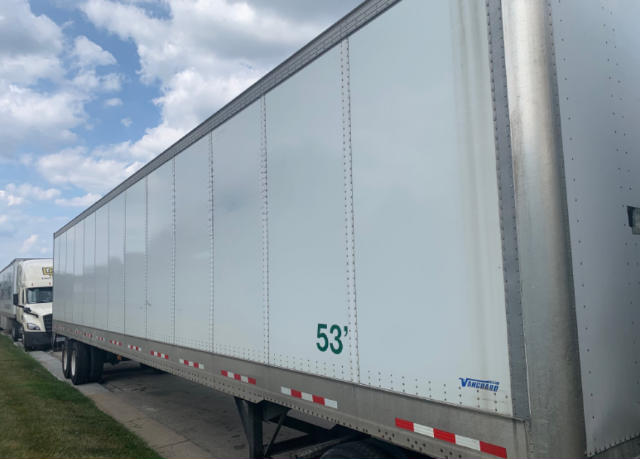
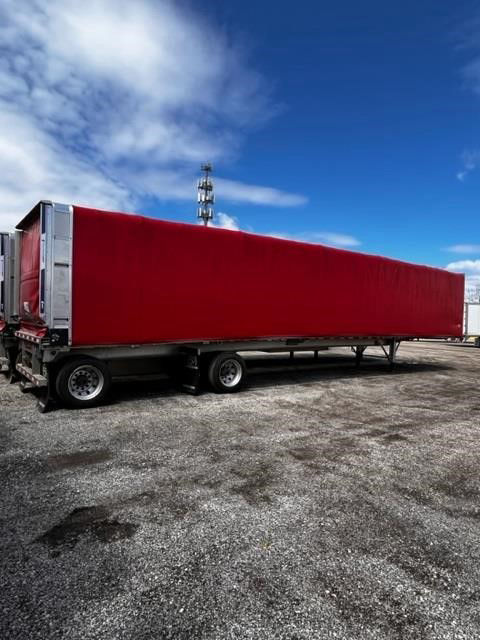
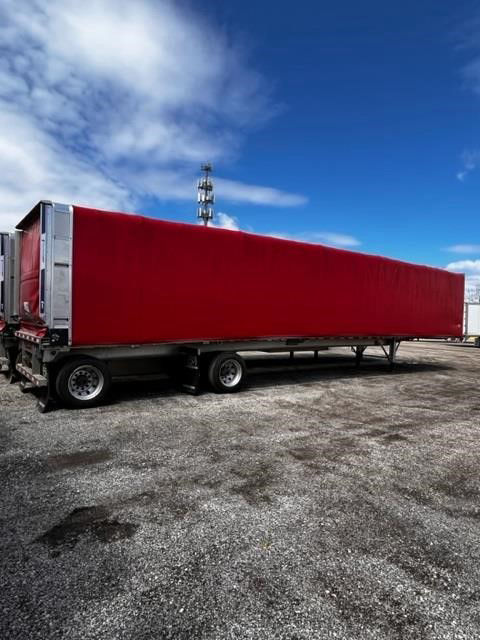
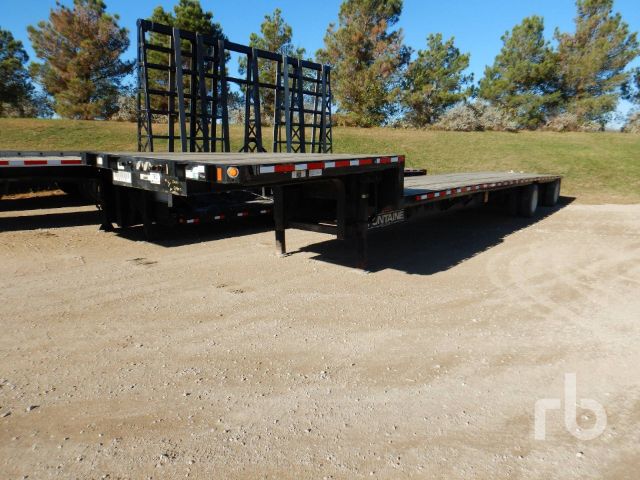
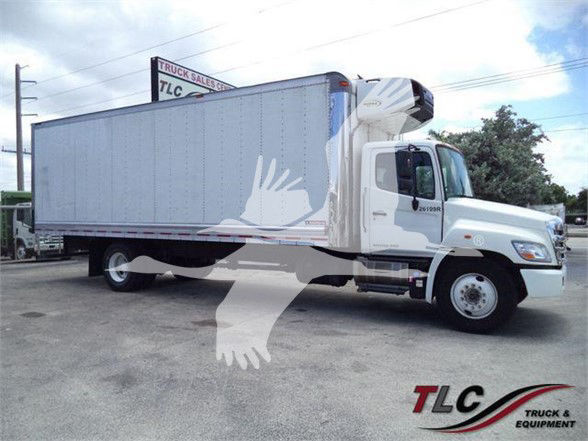
The most important buying decision is the trailer type and the work it is built to do. In the broad trailer market, that can include dry vans, reefers, flatbeds, drop decks, tank trailers, dump trailers, hopper bottoms, chassis, and specialty configurations. For van trailers, common specs include 48-foot and 53-foot lengths, 102-inch width, swing or roll-up doors, wood floors, scuff liners, E-track, logistics posts, and sliding tandem axle setups. On platform trailers, deck length, axle spread, concentrated load rating, coil package, and floor condition matter more. On refrigerated trailers, unit hours, evaporator condition, insulation integrity, and air chute or duct design are critical. Buyers should match the trailer to freight profile first, then evaluate running gear and structural condition.
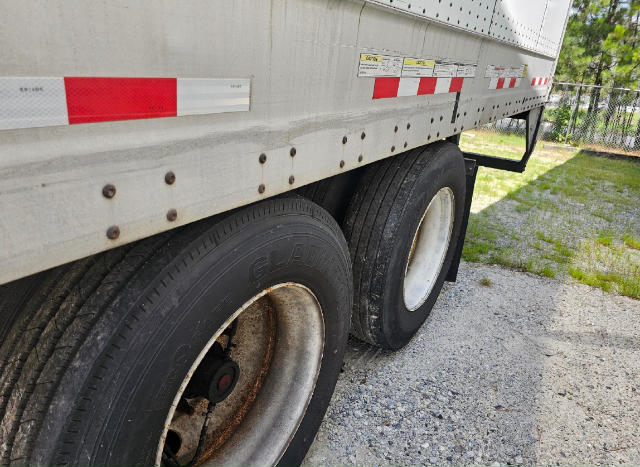
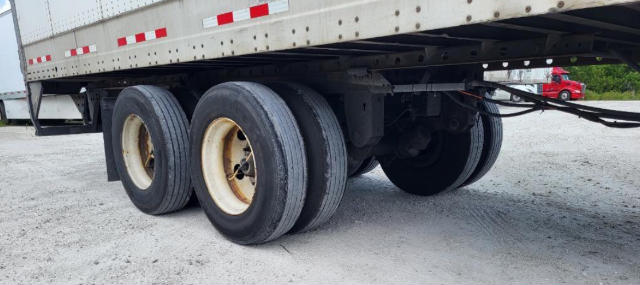
A used 2019 trailer should be inspected with extra attention on wear items and high-stress areas rather than just overall appearance. Check crossmembers, rear impact guard, bogie rails, kingpin plate, landing gear mounts, and upper coupler structure for repairs, cracking, or elongation. On vans, look closely at roof bows, side sheets, scuff damage, threshold wear, and signs of water intrusion around doors and front corners. Suspension type, brake configuration, wheel-end service history, and tire condition all affect true operating cost. Features such as tire inflation systems, disc brakes, air ride suspension, side skirts, and underbody storage can add value if they fit the lane and maintenance program.
For buyers comparing multiple used 2019 trailers, the strongest value usually comes from units with a clear maintenance history, a body spec that matches the intended freight, and a running gear setup that will stay compliant in the regions where the trailer works. Dry van fleets may focus on inside height, venting, logistics equipment, and tandem slide range. Flatbed and drop deck buyers will care more about deck condition, tie-down provisions, and frame straightness. Reefer buyers need to weigh the trailer body and the refrigeration unit as separate assets. A well-spec'd 2019 trailer can still deliver dependable service in regional, dedicated, or over-the-road operations if the structure, suspension, brakes, and floor have been evaluated carefully.
Frequently Asked Questions
What should I inspect first on a used 2019 trailer?
Start with the structure and running gear. The most important inspection points are the kingpin area, upper coupler plate, crossmembers, suspension hangers, axle alignment, brake system, wheel ends, tires, and rear frame. Cosmetic condition matters less than evidence of hard dock damage, frame repairs, floor deterioration, corrosion, or irregular tire wear. On enclosed trailers, also inspect the roof, sidewalls, door frame, threshold, and interior lining for leaks and impact damage.
Is a 2019 trailer still a good year model for fleet service?
Yes, a 2019 trailer can still be a strong fleet or owner-operator purchase if condition and maintenance history are solid. Many 2019 units have modern specs such as LED lighting, disc brake availability, tire inflation systems, aerodynamic components, and current freight-securement options. The key is remaining structural life and the condition of wear components, not just the model year alone.
What specs matter most when comparing used 2019 dry van trailers?
Length, inside height, suspension type, tandem configuration, door style, floor condition, and logistics equipment are the main comparison points. Many buyers also look for plywood lining, scuff liners, E-track, side skirts, tire inflation systems, and venting. A 53-foot by 102-inch trailer with a sliding tandem is common for over-the-road freight, but regional and dedicated operations may prioritize door access, dock compatibility, and cubic capacity differently.
How important is suspension type on a used trailer?
Suspension type has a direct effect on ride quality, cargo protection, maintenance cost, and resale appeal. Air ride suspension is often preferred for van, reefer, and higher-value freight because it helps reduce cargo shock and is common in fleet specifications. Spring ride is simpler and can be durable in certain applications, but buyers should inspect equalizers, bushings, hangers, and alignment closely on any used trailer regardless of suspension design.
Should I focus more on trailer age or trailer application?
Application should come first. A properly spec'd trailer that matches the freight, route, dock environment, and state bridge requirements is usually a better purchase than a newer trailer with the wrong body or axle setup. Age affects maintenance planning and depreciation, but the real buying decision should center on payload needs, cargo securement, interior configuration, door access, axle arrangement, and how the trailer will perform in the intended operation.