
XL Specialized Traveling Axle Trailers For Sale in Pennsylvania
Shop XL Specialized traveling axle trailers for heavy equipment hauling. Compare deck height, axle setup, load angle, GVWR, and hydraulic features.
Learn more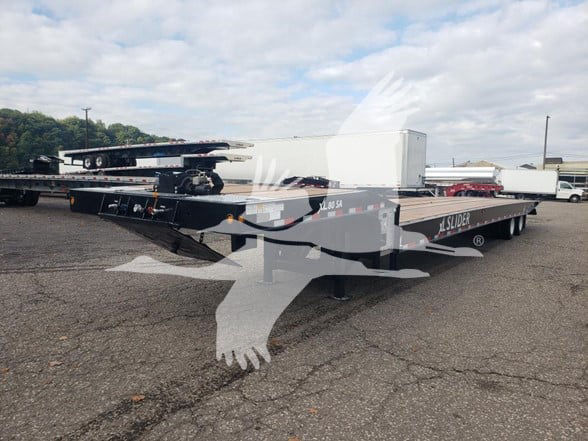
Have xl specialized traveling axle trailer to sell? List it here to reach thousands of buyers.
About XL Specialized Traveling Axle Trailers in Pennsylvania
In the XL Specialized lineup, common decision points include overall length, top deck length, main deck length, deck construction, and whether the trailer is set up for air ride suspension and hydraulic operation from a tractor wet kit. Steel perimeter beam construction, apitong flooring, chain slots, and chain drops are typical features on equipment-hauling configurations because securement flexibility matters when hauling mixed fleets. Kingpin setting, swing clearance, axle spacing, and loaded deck height also deserve close attention. Those specs affect tractor compatibility, bridge compliance, turning clearance, and how well the trailer handles taller machines or units with low ground clearance.
For Pennsylvania buyers, practical concerns often include mixed highway and secondary-road use, seasonal job movement, and the need to load on uneven surfaces. An air ride traveling axle trailer can help protect both trailer structure and equipment during regional runs, while hydraulic features such as a winch, planetary drive, wireless remote, and manual dump valves can make loading more controlled in the field. Tire size, wheel type, and suspension brand matter over the long term because replacement cost, service access, and ride quality all affect operating expense. If the trailer will see frequent short-haul construction work, securement layout and rear loading efficiency may matter more than overall trailer tare. If it will handle longer interstate moves, GVWR, bridge-friendly dimensions, and legal load planning become more important.
The best XL Specialized traveling axle trailer is the one matched to the machine fleet, not just the highest rating on paper. Check the concentrated load capacity, weight in a given deck length, deck width, and the real loaded height of the equipment you intend to haul. Buyers comparing listings should also verify hydraulic requirements, neck and toolbox layout, flooring condition, and signs of wear around suspension mounts, crossmembers, and axle slide components. A well-spec'd traveling axle trailer gives a fleet a fast-loading low-profile hauler that works especially well where uptime, safe loading, and versatile equipment transport are the priority.
Frequently Asked Questions
What is a traveling axle trailer used for?
A traveling axle trailer is used mainly for hauling heavy equipment that can be driven or winched onto a low rear deck. Common loads include skid steers, rollers, pavers, compactors, small dozers, and agricultural equipment. By moving the axle assembly, the trailer creates a lower loading angle and easier rear access than many fixed-axle designs, which is valuable when loading machines with low ground clearance or steel tracks.
How is a traveling axle trailer different from a detachable gooseneck or beavertail trailer?
A traveling axle trailer loads from the rear by sliding the axle assembly and lowering the deck access point, while a detachable gooseneck typically loads from the front and a beavertail relies on a fixed rear transition and ramps. Traveling axle designs are popular for repetitive equipment moves because they can be fast to load and unload without detaching the neck. They are often chosen when low deck height and reduced loading angle are more important than the front-loading advantages of an RGN.
What specs matter most when comparing XL Specialized traveling axle trailers?
The most important specs are GVWR, concentrated load rating, deck height, load angle, deck length, axle spacing, and suspension type. Buyers should also review kingpin setting, swing clearance, floor material, securement layout, and hydraulic system requirements. These details determine what equipment the trailer can carry, how easily it loads, how well it matches the tractor, and whether it fits legal and operational requirements in the lanes you run.
Do traveling axle trailers require a wet kit?
Many hydraulic traveling axle trailers are designed to run from a tractor wet kit, although the exact flow and pressure requirements vary by model. Buyers should confirm the gallons-per-minute requirement, hydraulic coupler setup, control type, and any onboard winch functions before pairing the trailer to a tractor. A mismatch in hydraulic capacity can slow operation or prevent the axle slide and related functions from working correctly.
Are XL Specialized traveling axle trailers a good fit for construction fleets?
Yes. They are a strong fit for construction, paving, utility, and equipment rental fleets that move machines frequently and need fast loading with a low deck. Features such as air ride suspension, chain slots, apitong decking, and hydraulic winch options support daily jobsite use. The right specification depends on machine weight, undercarriage type, frequency of loading, and whether the trailer will spend more time on local moves or highway hauls.