
New XL Specialized Traveling Axle Trailers For Sale
Shop new XL Specialized traveling axle trailers built for low load angles, heavy equipment hauling, and efficient loading on demanding jobs.
Learn more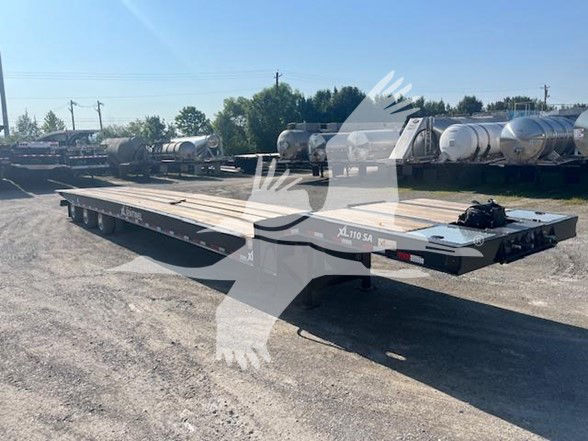
Have new xl specialized traveling axle trailer to sell? List it here to reach thousands of buyers.
About New XL Specialized Traveling Axle Trailers
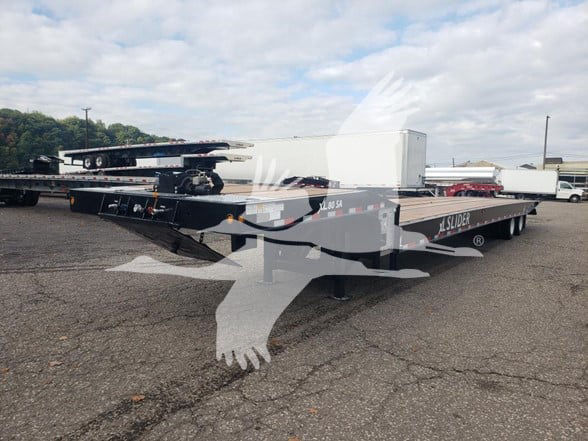
A buyer comparing traveling axle trailers should start with capacity, deck geometry, and axle configuration. In this category, common XL Specialized specs include 53-foot overall length, 102-inch width, full-width necks around 10 feet, main decks over 42 feet, and loaded deck heights around the upper 30-inch range. Two-axle versions are often chosen for lighter equipment mixes and California-legal applications, while three-axle models are better suited for higher distributed payloads and denser machines. Pay close attention to the trailer’s rating in a 10-foot section, not just gross rating, because concentrated machine weight is what separates a good spec from one that gets overloaded quickly.
Construction details matter on this type of trailer because the loading cycle is hard on the back end and deck. XL Specialized traveling axle trailers commonly use steel perimeter frames, close crossmember spacing, Apitong flooring, chain slots on tight centers, and chain drops along the deck for flexible securement. Air ride suspension, dump valves, and compact 17.5-inch tires help keep deck height down while maintaining road manners. Hydraulic winches, planetary drive systems, recessed cable rollers, and wireless remotes are valuable for self-loading dead equipment or pulling machines onto the deck in muddy or uneven conditions. Wet kit flow requirements should be checked against the tractor before purchase so slide and winch functions operate at the intended speed.
For many fleets, the real decision is operational fit. A traveling axle trailer loads faster than separate ramp setups and is simpler than some detach configurations, but it still needs room behind the trailer to slide the axle and lower the tail. Buyers should look at swing clearance, kingpin setting, axle spacing, and loaded deck height in relation to the tractors and jobs they run most often. XL Specialized has a strong reputation in heavy-haul and equipment transport, and this category is aimed at buyers who want durable construction, predictable hydraulic operation, and a deck layout that works every day for construction, paving, rental fleet delivery, and municipal equipment moves.
Frequently Asked Questions
What is a traveling axle trailer used for?
A traveling axle trailer is used to haul equipment that benefits from a shallow loading angle, including skid steers, compact excavators, rollers, pavers, scissor lifts, and other low-clearance machines. The axle assembly slides rearward during loading so the rear of the deck lowers closer to the ground. This reduces breakover issues and makes loading safer and faster than steep ramp-style trailers for many machine types.
How is a traveling axle trailer different from a detachable lowboy?
A traveling axle trailer keeps the deck and neck together and lowers the rear by moving the axle group, while a detachable lowboy separates at the neck to allow front loading. A traveling axle is often simpler, lighter, and faster for repeated moves of mid-size equipment, especially when rear loading is acceptable. A detachable lowboy is usually the better choice for taller, heavier, or more specialized equipment where the lowest possible deck height and front loading are important.
What specs matter most when buying a new XL Specialized traveling axle trailer?
The most important specs are overall capacity, weight rating in a concentrated section such as 10 feet, number of axles, loaded deck height, load angle, deck length, hydraulic system requirements, and securement layout. Buyers should also review tire size, suspension type, kingpin setting, swing clearance, and the presence of features such as a hydraulic winch, dump valves, chain slots, and chain drops. These details affect legal payload, ease of loading, tractor compatibility, and day-to-day durability.
Is a two-axle or three-axle traveling axle trailer better?
A two-axle trailer is often the better fit for lighter equipment fleets, regional work, and applications where lower tare weight or California-legal configurations matter. A three-axle trailer generally provides more distributed capacity and better support for heavier or more concentrated machine loads. The right choice depends on the weight and length of the machines being hauled, the states where the trailer will operate, and how often concentrated loads are placed in a short deck section.
Do traveling axle trailers require a wet kit?
Many traveling axle trailers use hydraulic functions for the sliding axle and optional winch, so a tractor wet kit is commonly required. The required gallons per minute can vary by trailer setup, and matching that flow range is important for proper operating speed and reliable function. Before buying, confirm the trailer’s hydraulic demand, coupler setup, and electrical requirements so the tractor can run the trailer without slow cycle times or compatibility problems.