
Utility Rolloff Trailers For Sale in New Jersey
Shop Utility rolloff trailers for container hauling. Compare lengths, hoist compatibility, axle setups, frame condition, and regional specs.
Learn more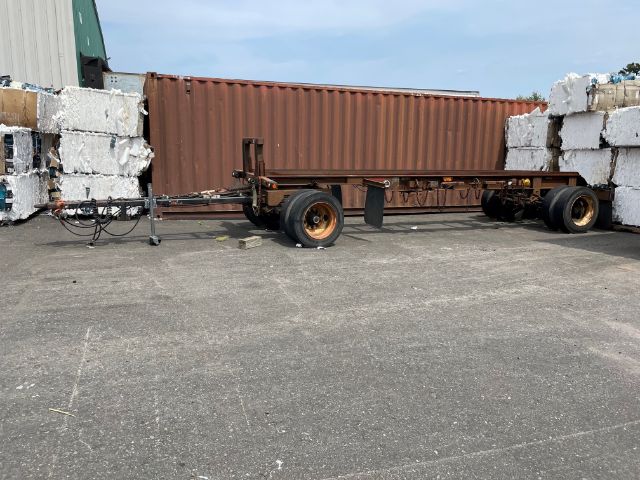
Have utility rolloff trailer to sell? List it here to reach thousands of buyers.
About Utility Rolloff Trailers in New Jersey
A rolloff trailer, sometimes called a container trailer or pup rolloff trailer in shorter configurations, is commonly used to haul an additional dumpster or rolloff box behind a truck. Typical specs include steel frame construction, tandem axles, spring or air ride suspension, and rail systems designed to support repeated loading and unloading of open-top containers. Length matters because it affects what size boxes you can legally and practically carry, while tongue length and kingpin or pintle-style setup affect tracking, backing, and hookup compatibility. Crossmember condition, rail wear, rear roller condition, and signs of frame twist or repairs are worth close inspection because this equipment lives a hard life in high-impact service.
Utility is a recognized trailer brand, and buyers usually evaluate these trailers the same way they would any vocational rolloff platform: by structural integrity and application fit more than cosmetics. Check axle ratings, brake condition, tire size, wheel-end service history, lighting, and the condition of the coupler or drawbar assembly if the trailer is configured as a pup. If the trailer has been hauling demolition debris, scrap, concrete, or other dense material, inspect for cracked welds, bent rails, uneven tire wear, and any evidence of overloading. A lighter-duty unit may be fine for municipal solid waste or general refuse, but heavier debris work demands a stronger frame and more margin in the running gear.
For buyers comparing Utility rolloff trailers, the best unit is the one that matches container size, route density, and legal payload targets without creating avoidable maintenance costs. A shorter pup trailer can add productivity on local routes by allowing a second box move in one trip, but it also needs to be stable when loaded and predictable when backing into confined sites. Focus on real-world specs such as usable deck or rail length, empty weight, suspension type, brake setup, and how the trailer has been used. In this category, service history and structural condition usually matter more than model-year alone.
Frequently Asked Questions
What is a Utility rolloff trailer used for?
A Utility rolloff trailer is used to haul rolloff containers, dumpsters, and similar open-top boxes between pickup points and disposal or processing facilities. Many are used as pup trailers to move a second container behind a rolloff truck, which can improve route productivity on local and regional hauls. The exact application depends on trailer length, axle ratings, and how well the trailer matches the box sizes in your operation.
What should I inspect first on a used rolloff trailer?
Start with the frame rails, crossmembers, rear rollers, suspension, axles, brakes, and coupler or tongue assembly. Rolloff trailers are exposed to impact loading, twisting, and heavy debris service, so structural condition matters more than appearance. Look for weld repairs, cracked steel, bent sections, rail gouging, uneven tire wear, and signs the trailer has been overloaded or jackknifed.
How do I choose the right rolloff trailer length?
Choose length based on the containers you run, the legal weights you target, and the type of route you cover. A shorter pup trailer is easier to maneuver in tight city streets and transfer yards, while a longer trailer may offer better fit for certain container sizes or operating patterns. The right choice balances box compatibility, turning radius, backing behavior, and payload distribution.
Are Utility rolloff trailers suitable for heavy debris and scrap?
They can be, but suitability depends on the specific trailer's frame design, axle capacity, suspension, and overall condition. Heavy materials such as concrete, demolition debris, and scrap metal put much higher stress on the trailer than general refuse. Buyers should confirm that the running gear and structure are rated and maintained for that kind of severe-duty work before putting the trailer into a dense-material application.
What matters most for rolloff trailer compatibility with my fleet?
The key factors are coupler or hitch style, tongue or drawbar configuration, rail or deck dimensions, axle ratings, brake setup, and the container sizes your trucks already handle. You also want the trailer to track well behind your truck and match your typical loading environment. Compatibility is not just about hookup points. It also includes how the trailer behaves on your routes, at your disposal sites, and when loaded to your normal operating weight.