
Utility Refrigerated Trailers For Sale in Nebraska
Browse Utility refrigerated trailers with common reefer specs, Thermo King or Carrier units, insulation details, and fleet-focused buyer guidance.
Learn more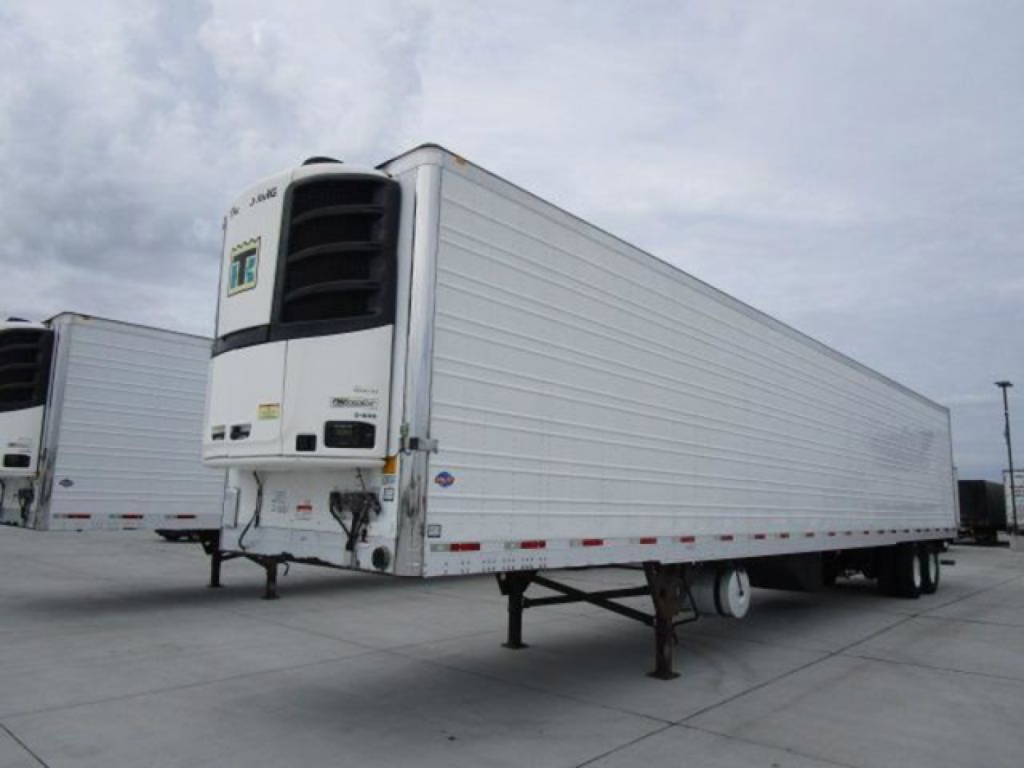

Have utility refrigerated trailer to sell? List it here to reach thousands of buyers.
About Utility Refrigerated Trailers in Nebraska
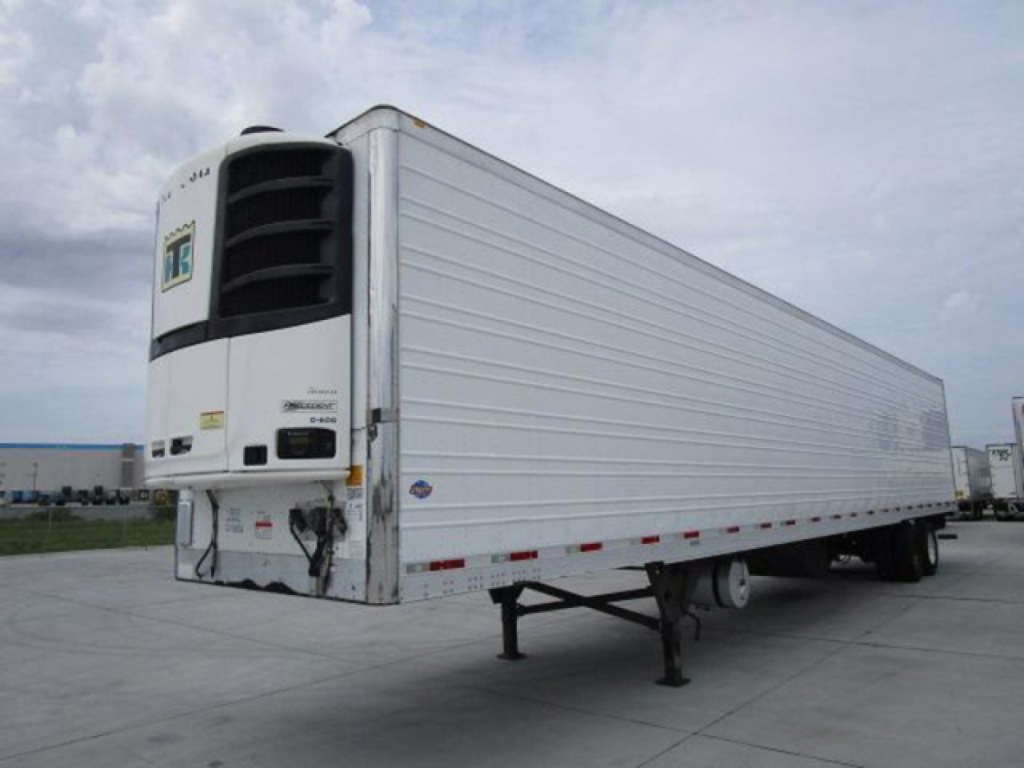
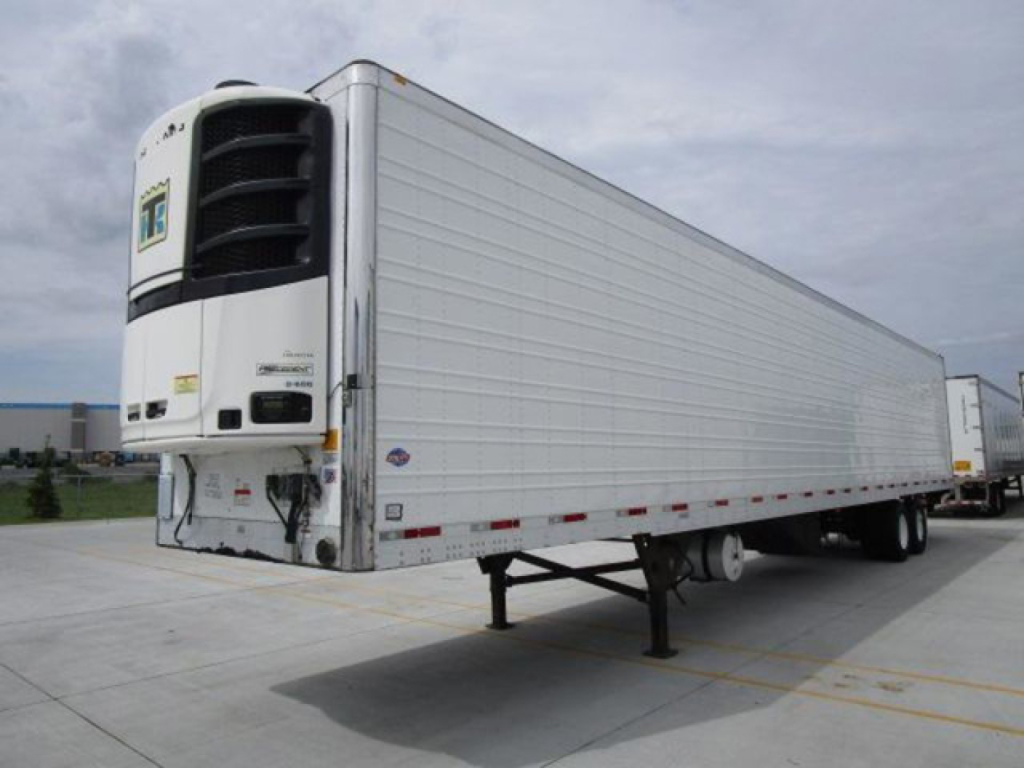
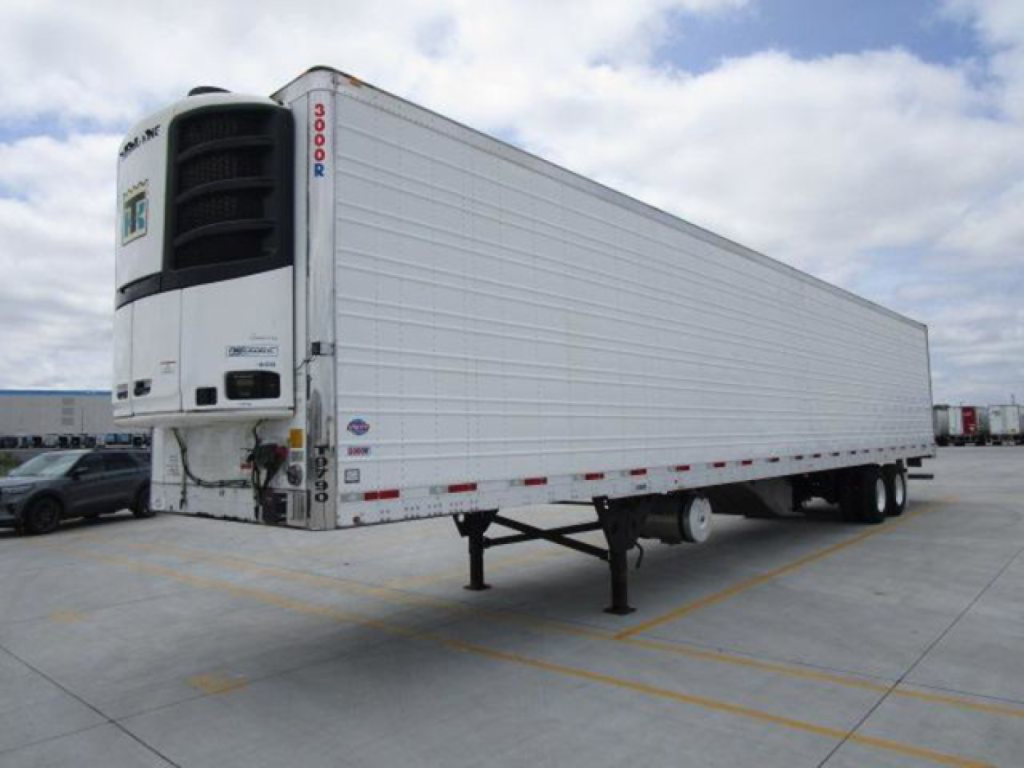
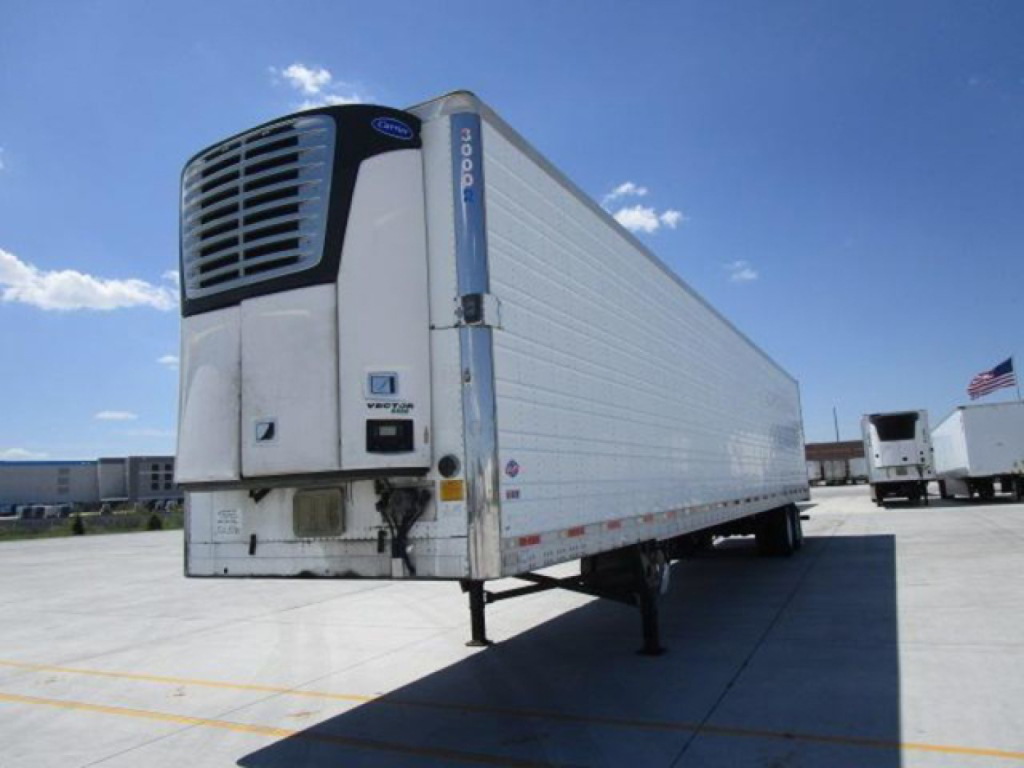
The trailer body matters just as much as the unit. Utility reefer trailers are often spec'd with lined and insulated interiors such as Versitex or Kemlite, plus tall scuff liners to protect sidewalls from pallet and forklift damage. Buyers should inspect the floor closely for soft spots, separation, or heavy fork abuse, especially in high-cycle food distribution service. Rear doors, door seals, drain condition, and roof integrity all affect temperature retention. If the trailer has an undertray, interior light package, sliding tandem setup, or fleet aerodynamic roof spec, those details can add day-to-day operating value. In Nebraska and across the Midwest, reefer buyers also need to think about winter performance, defrost function, and how well the unit starts and runs in cold weather after sitting.
Used Utility refrigerated trailers can work in over-the-road service or as storage trailers, but the right choice depends on hours, tire condition, suspension wear, and how the refrigeration system was used. A trailer with higher unit hours may still make sense if it has documented preventive maintenance and a clean, tight box. For storage applications, buyers often accept cosmetic wear or road tire age if the reefer unit still cycles properly and the body seals up well. For highway freight, tire tread depth, brake condition, axle alignment, air system leaks, and reefer unit reliability become more important. Suspension specs like air ride are common because they help protect sensitive cargo and reduce shock on rougher regional routes.
When comparing Utility reefer listings, focus on total operating condition rather than model year alone. A newer trailer with neglected door seals or poor evaporator performance can create more headaches than an older trailer with a strong maintenance file. Look for consistent interior condition, even tire wear, clean unit starts, and evidence the trailer was used in a disciplined fleet environment. Utility has a long-standing presence in refrigerated trailer operations, so parts support, shop familiarity, and resale demand are usually strengths for this category.
Frequently Asked Questions
What should I inspect first on a used Utility refrigerated trailer?
Start with the refrigeration unit hours, maintenance records, and the condition of the insulated trailer body. After that, inspect the floor, scuff liners, rear doors, door seals, roof, and interior lining for damage that can affect temperature control. Tire tread, brake wear, suspension condition, and signs of air leaks also matter, but a reefer trailer lives or dies by box integrity and reefer performance.
Are Utility reefer trailers good for both over-the-road freight and storage use?
Yes. Utility refrigerated trailers are commonly used in both applications, but the standards are different. Over-the-road service requires dependable reefer operation, sound brakes and tires, good suspension condition, and a tight body that can hold temperature across long runs. Storage use is often more forgiving on tire age, cosmetic condition, and road components, but the unit still needs to run properly and the trailer still needs to seal well.
Which reefer unit brands are common on Utility refrigerated trailers?
Thermo King and Carrier are two of the most common refrigeration unit brands found on Utility reefers. Buyers should compare unit model, engine hours, service history, parts availability, and local technician support instead of choosing by brand name alone. A well-maintained older unit is often a better buy than a newer unit with weak service documentation or recurring alarm history.
What trailer features add value on a Utility reefer?
Features that often add practical value include air ride suspension, sliding tandems, aluminum wheels, undertray storage, interior light packages, tall scuff liners, and durable interior wall liners such as Versitex or Kemlite. These specs can improve cargo protection, driver usability, and maintenance life. In food and temperature-sensitive freight, clean interior condition and strong door seals usually matter more than cosmetic appearance.
Why are door seals and interior lining so important on refrigerated trailers?
Door seals and interior lining directly affect thermal efficiency and cargo protection. Worn seals allow warm air and moisture into the trailer, which increases reefer run time and can make it harder to hold setpoint. Damaged lining and scuff areas can hide insulation problems, moisture intrusion, or impact damage from pallets and forklifts. A reefer unit can only perform as well as the box allows.