
New Utility Reefer Trailers For Sale in New Mexico
Shop new Utility reefer trailers for sale. Compare 3000R specs, insulation, floor, aero, suspension, and refrigeration-ready features.
Learn more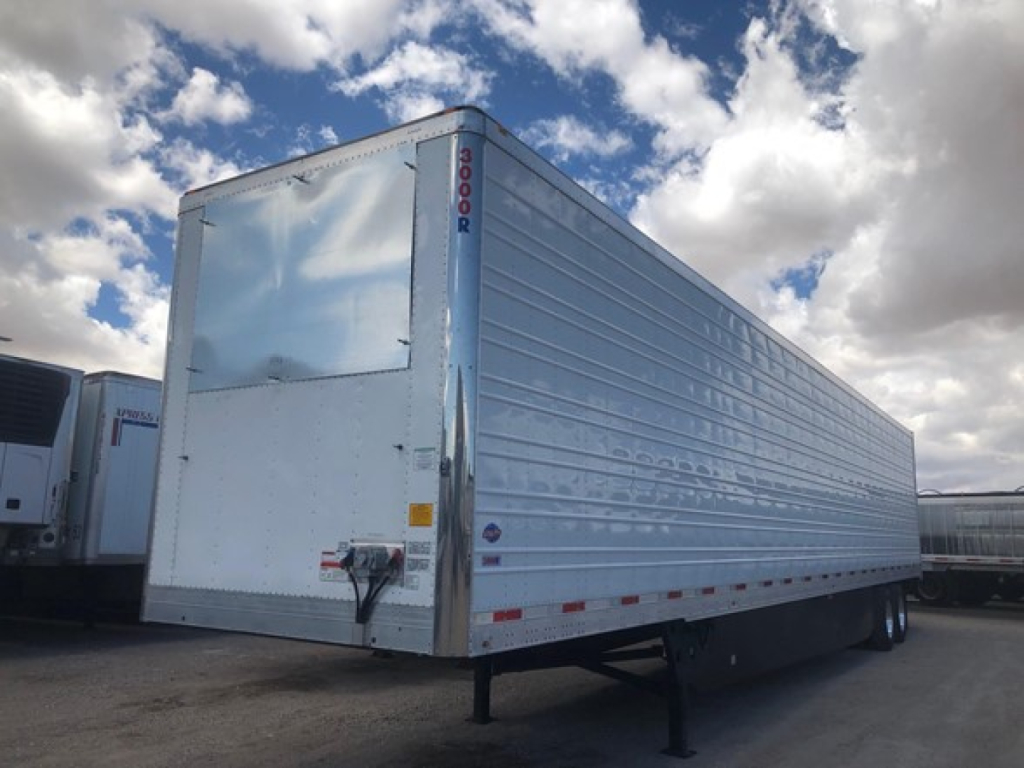
Have new utility reefer trailer to sell? List it here to reach thousands of buyers.
About New Utility Reefer Trailers in New Mexico
Utility reefer trailers are known for practical spec choices that fit grocery, foodservice, and multi-stop distribution. Common configurations include aluminum duct floors for return air circulation, corrugated side panels, rear vents, stainless or quilted rear swing doors, and wearbands that protect the interior from pallet and forklift damage. A 16-inch wearband is a common fleet-friendly choice because it adds meaningful sidewall protection without excessive weight. Many new trailers are also ordered with aerodynamic side skirts, anti-dock walk systems, and tire inflation systems such as TireMaax Pro to reduce operating cost and improve uptime. Suspension is often air ride, frequently with a sliding tandem, so axle placement and bridge compliance can be managed across different freight profiles and state requirements.
For buyers in New Mexico, reefer trailer spec should reflect climate and lane reality. High ambient temperatures, long interstate runs, and mixed dock conditions put extra value on insulation performance, door durability, and reliable airflow management. If the trailer will spend time in the Southwest on produce, frozen, or pharmaceutical-support lanes, pay attention to floor condition, rear door hardware, and how the body is prepared for the refrigeration unit you plan to run. Tire size, low-profile 22.5 setups, lighting layout, bumper configuration, and slider pin design also affect serviceability and everyday handling. New trailers appeal to buyers who want current compliance, cleaner body condition, and the ability to start with a maintenance baseline instead of inheriting prior refrigerated freight wear.
The right Utility reefer trailer comes down to freight type, stop count, and how hard the trailer will be worked at the dock. A long-haul shipper may prioritize aerodynamic drag reduction, low tare weight, and fuel-saving tire systems, while a regional grocery operation may put more value on dock protection, durable doors, and interior wall defense. Buyers comparing listings should verify overall length and width, suspension type, tandem slider setup, floor construction, door configuration, venting, liner protection, and refrigeration-unit compatibility. Those details determine how well a reefer trailer protects cargo, controls maintenance cost, and holds resale value over time.
Frequently Asked Questions
What is the most common size for a Utility reefer trailer?
The most common size is a 53-foot by 102-inch refrigerated trailer. That configuration gives the cargo volume most shippers expect for grocery, foodservice, and temperature-controlled truckload freight while remaining standard for dock compatibility, route planning, and resale. Buyers should still confirm interior height, tandem setting range, and refrigeration-unit fit because those details affect payload, loading pattern, and bridge compliance.
What should I look for in a new Utility reefer trailer spec?
Focus on the floor, wall protection, suspension, tandem configuration, and refrigeration-support features. An aluminum duct floor is important for airflow under the load, while wearbands and durable interior panels help the trailer stand up to forklift traffic and pallet contact. Air ride suspension, a sliding tandem, quality rear swing doors, anti-dock walk protection, and tire inflation systems are all common features that improve cargo protection, uptime, and operating efficiency.
Are Utility reefer trailers good for multi-stop delivery work?
Yes, if the trailer is spec’d for frequent dock contact and repeated door cycles. Multi-stop operations benefit from durable rear door hardware, strong rear frame protection, anti-dock walk systems, and interior wear protection that resists forklift and pallet damage. Airflow design also matters because frequent door openings can challenge temperature recovery, so floor and vent configuration should match the type of product being hauled.
How does a new reefer trailer help compared with an older used trailer?
A new reefer trailer gives the buyer a known starting point on structural condition, insulation integrity, door seals, floor wear, and running gear. That reduces the risk of inherited damage from prior refrigerated service, repeated dock impacts, or hidden maintenance issues that can affect temperature control and operating cost. It also allows the buyer to select current options for aerodynamics, tire management, lighting, and suspension that may improve uptime and resale.
What features matter most for reefer trailers operating in hot climates like New Mexico?
Insulation performance, door sealing, airflow management, and durable running gear are especially important in hot climates. High ambient temperatures increase the workload on the refrigeration system, so the trailer body needs to minimize thermal loss and support efficient air return under the freight. Buyers should also consider tire systems, suspension durability, rear venting, and dock-protection features because long highway miles and hard daily use can quickly expose weak specs.