
New Utility Reefer Trailers For Sale in Colorado
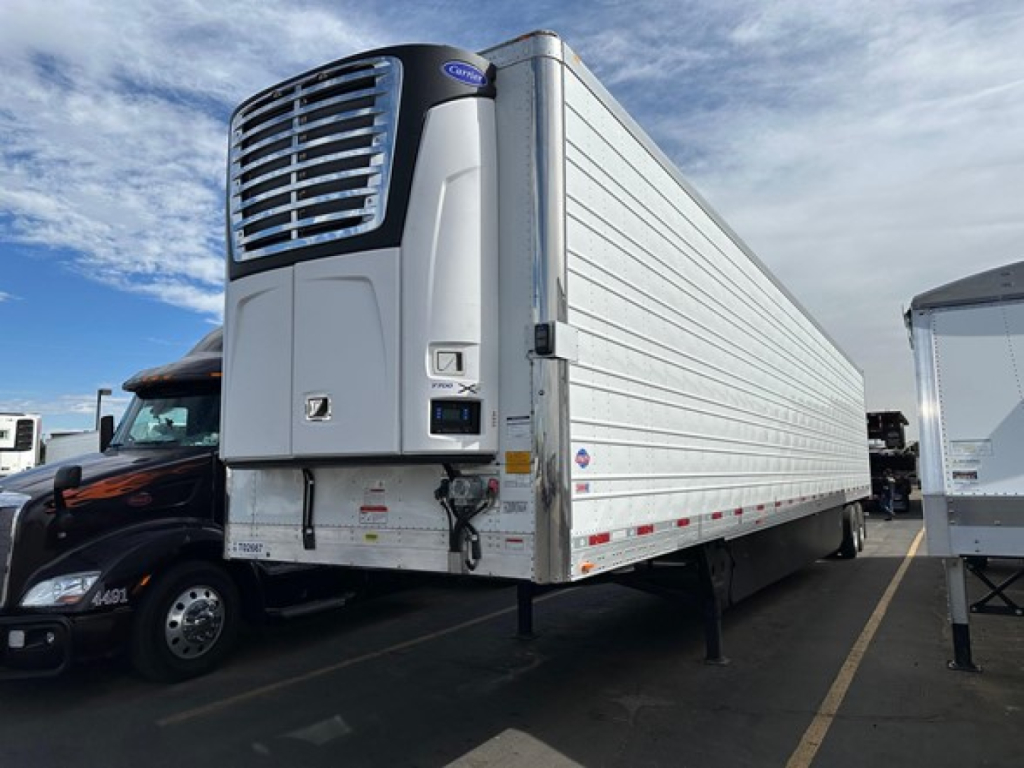
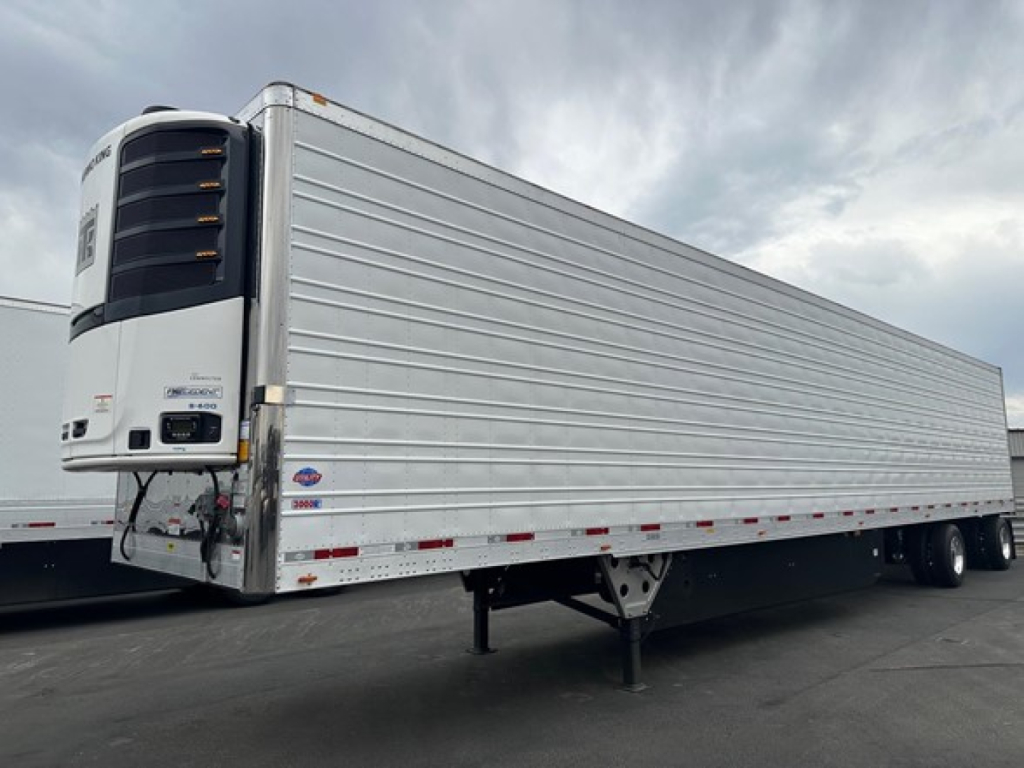
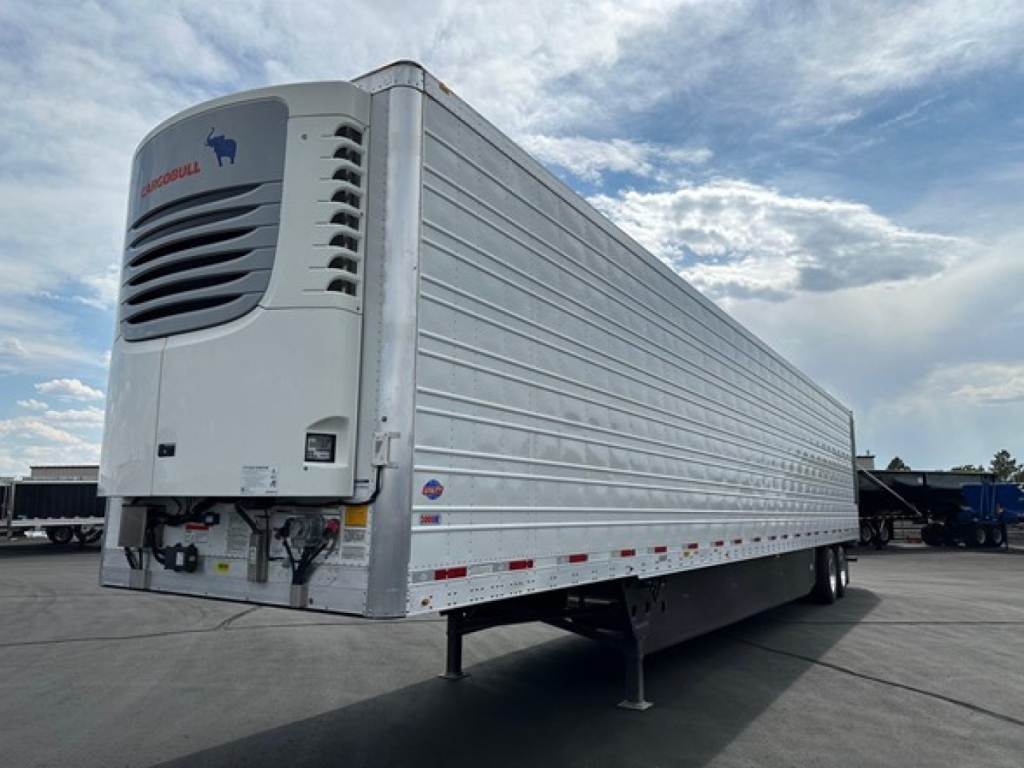
Shop new Utility reefer trailers for sale, including 53-foot 3000R specs, insulation, suspension, floor, door, and refrigeration options.
Learn more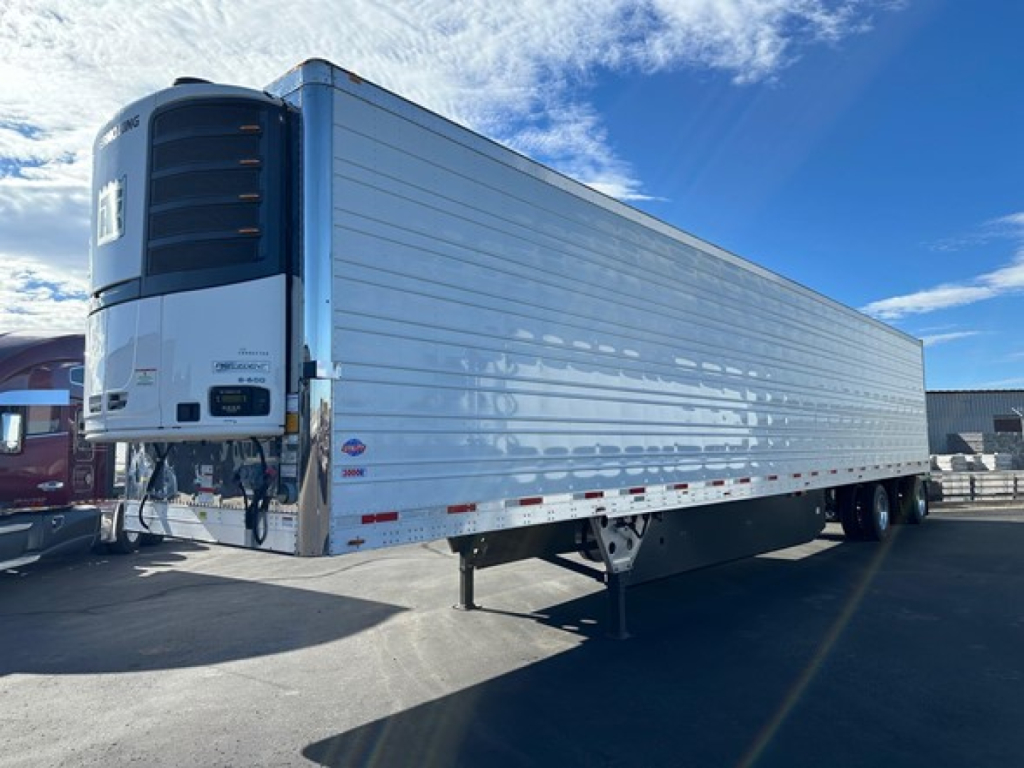
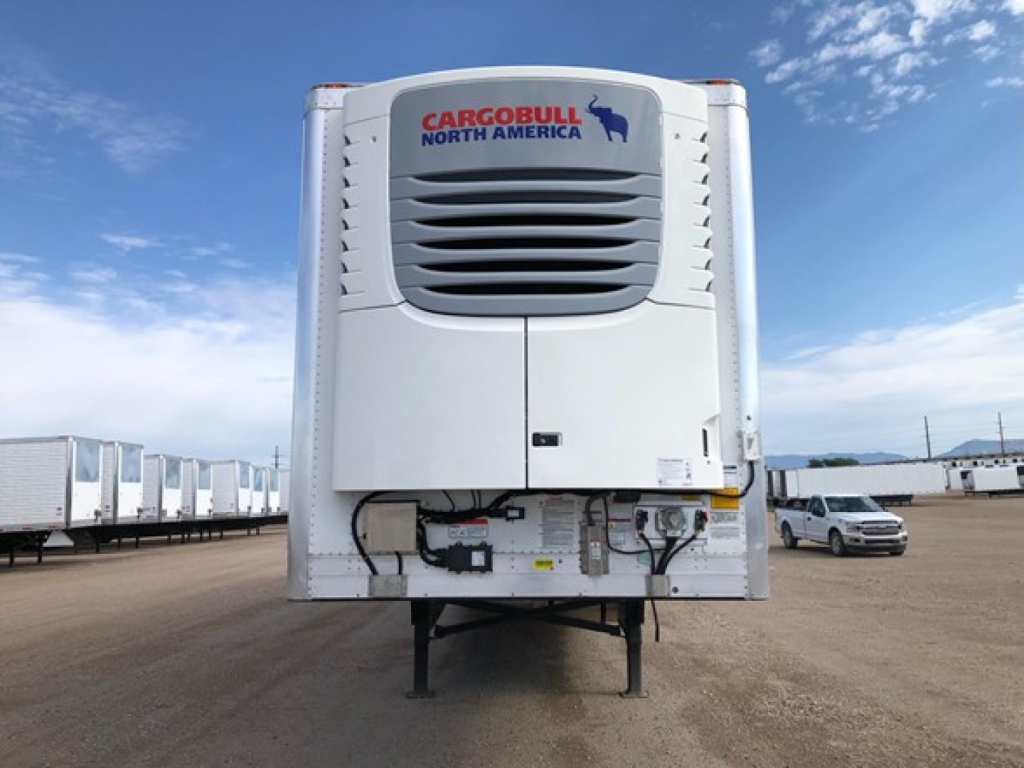
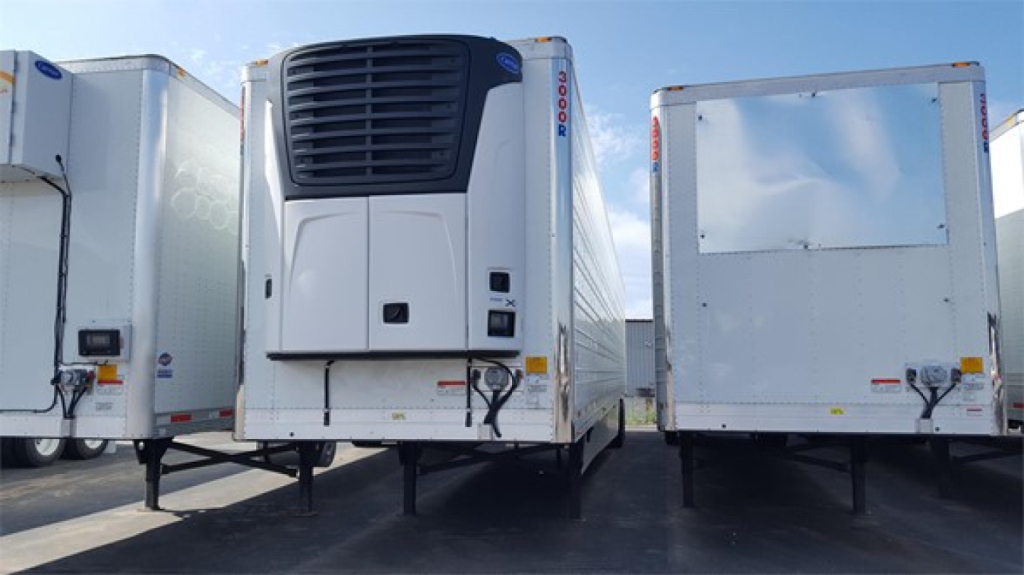
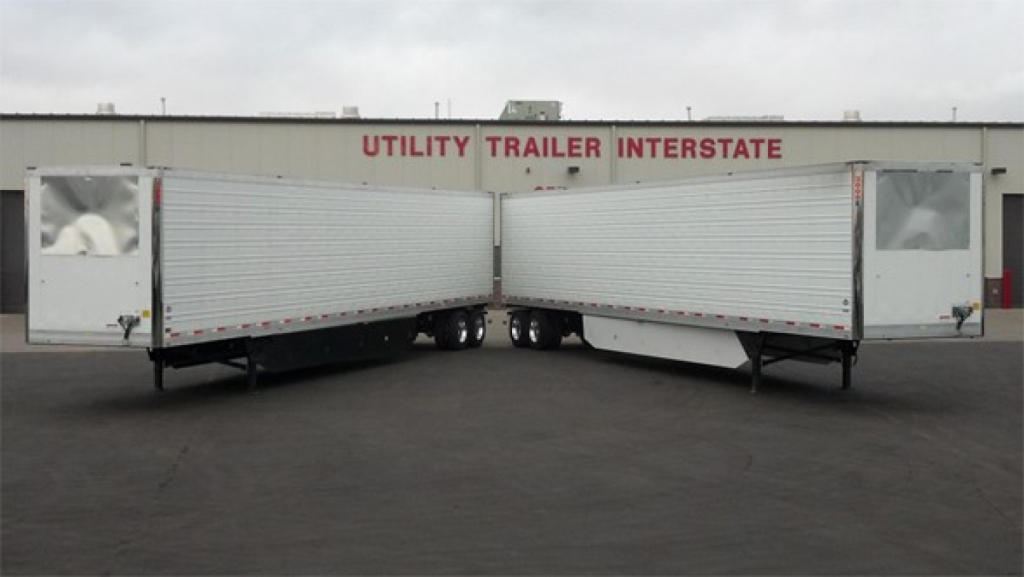
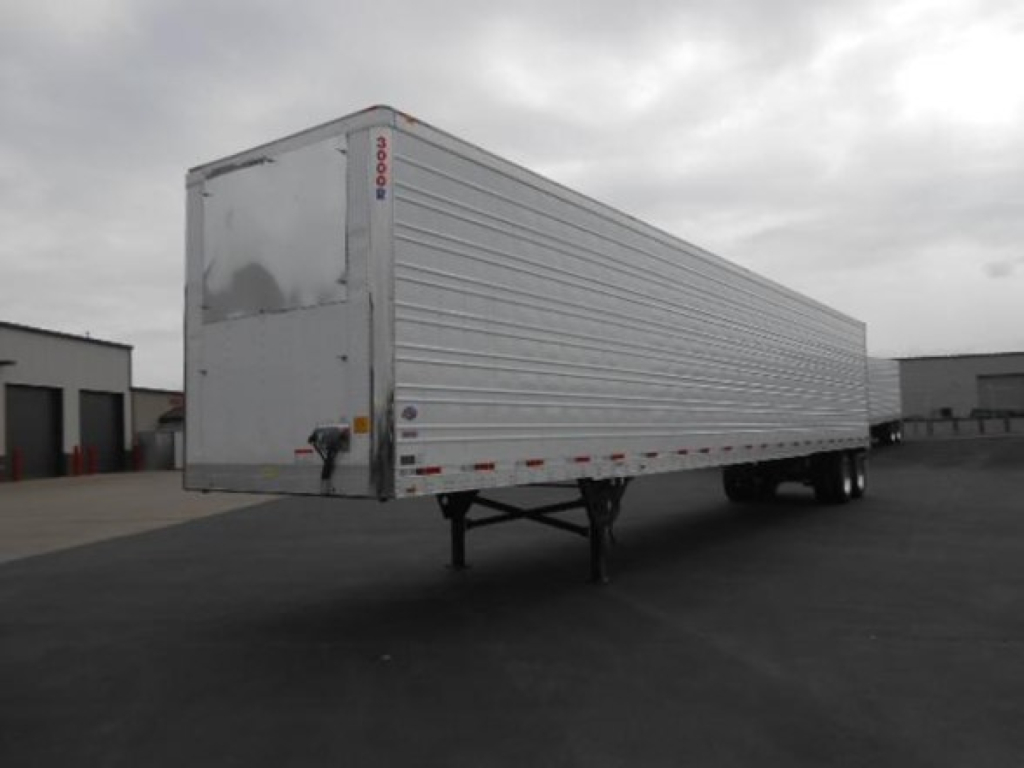
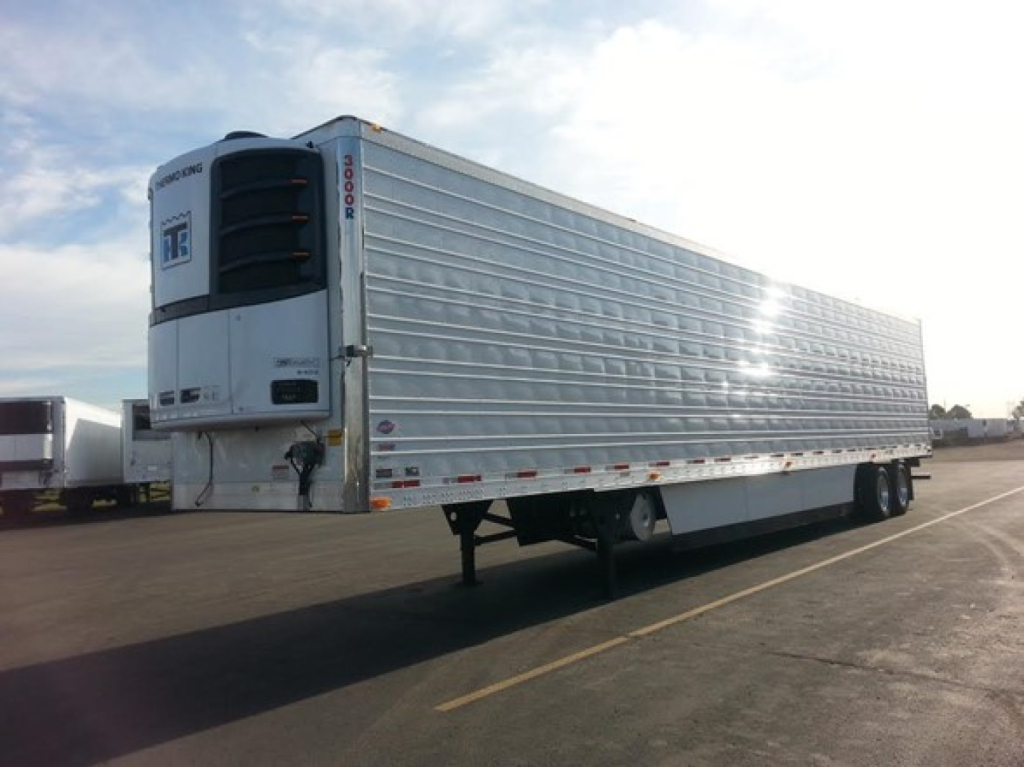
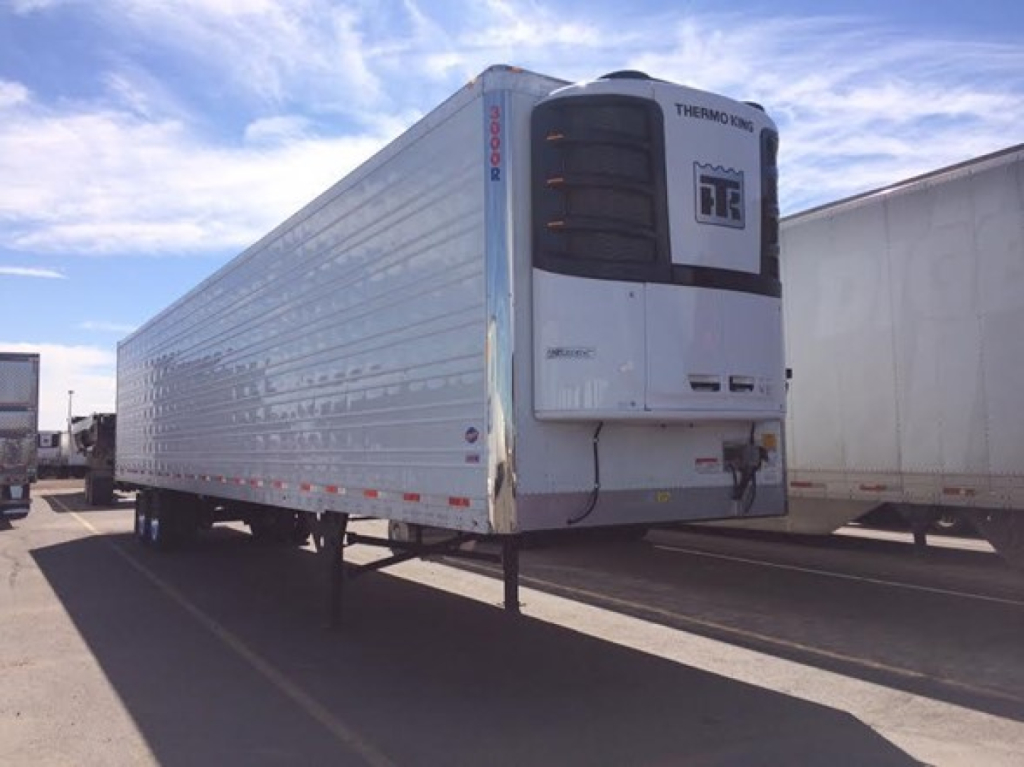
Have new utility reefer trailer to sell? List it here to reach thousands of buyers.
About New Utility Reefer Trailers in Colorado
A buyer comparing new Utility reefers should pay close attention to the trailer body and interior package, not just the refrigeration unit. Common build details include corrugated side panels, stainless front corners, quilted stainless rear swing doors, rear vents, and protective wearbands along the lower interior walls. Floor construction matters if the trailer will see heavy pallet jack traffic or high-turn grocery work. Aluminum duct floors, wearbands, and durable interior liner packages can make a real difference in long-term maintenance. Rear door hardware, bumper construction, dock protection, and anti-dock walk systems also matter for trailers that spend all day cycling through loading docks.
Running gear and suspension specs are just as important as the box. Many new Utility reefer trailers are set up with Hendrickson air ride, air-operated slider pins, tire inflation systems such as PSI or TireMaax Pro, and a mix of aluminum outer wheels with steel inner wheels to balance weight and cost. Closed tandem setups are common in some fleet specs, while slider flexibility remains important for operations running across multiple bridge-law and distribution environments. Buyers in Colorado should also think about route profile and climate. Mountain grades, winter operation, and wide temperature swings put extra value on dependable reefer unit performance, stable air ride suspension, and trailer specs that reduce unscheduled downtime.
Refrigeration unit choice can shape resale and compliance as much as daily performance. Utility reefer trailers are frequently paired with Carrier or Thermo King units, and buyers may specifically look for California-legal emissions configurations if the trailer could ever be routed into CARB-regulated freight lanes. Other practical decision points include chute configuration, interior airflow management, light package, and door style. For a fleet buyer or owner-operator, the best new Utility reefer trailer is usually the one with a body spec matched to the freight, dock conditions, lane requirements, and maintenance plan rather than simply the lowest upfront price.
Frequently Asked Questions
What is the most common spec for a new Utility reefer trailer?
The most common setup is a 53-foot by 102-inch Utility 3000R refrigerated trailer with tandem axles, air ride suspension, a sliding tandem, low-profile 22.5 tires, rear swing doors, and an insulated body designed for multi-temp or single-temp food freight. Many buyers also look for side skirts, stainless front corners, corrugated side panels, and an aluminum duct floor because those features are widely used in regional and long-haul refrigerated service.
What should I look for besides the refrigeration unit on a new reefer trailer?
The trailer body spec is critical. Buyers should review floor construction, interior liner material, wearband height, rear door build, venting, suspension, slider configuration, and dock protection features. A strong reefer unit cannot make up for a trailer with the wrong floor for pallet jack use, weak rear door durability, or a suspension package that does not fit the operation. Long-term maintenance cost is often driven by the trailer structure and running gear as much as the refrigeration system.
Are Utility reefer trailers good for food-grade and grocery distribution?
Yes. Utility reefers are widely used in food-grade freight because they are commonly spec'd with insulated walls, durable interior liner systems, duct floors for airflow under pallets, and heavy-use rear door packages. Grocery and distribution work often benefits from features such as anti-dock walk systems, tire inflation systems, and reinforced lower wall protection because these trailers see frequent dock contact, tight turns, and constant loading cycles.
Why do tire inflation systems and air ride matter on a reefer trailer?
Tire inflation systems help maintain proper pressure across long runs and frequent temperature changes, which can improve tire life, fuel economy, and roadside reliability. Air ride suspension helps protect sensitive refrigerated freight by reducing vibration and improving ride quality. On a reefer trailer, both systems support uptime, which is especially important when the cargo is perishable and delays can quickly become expensive.
Do I need a California-legal refrigeration unit if I operate in Colorado?
If the trailer may ever run freight into California or through shippers that require CARB-compliant equipment, a California-legal unit can be a smart choice even for a Colorado-based operation. It protects routing flexibility and can support resale value. If the trailer will stay in regional lanes with no exposure to California rules, the decision may come down more to initial cost, emissions requirements in your freight network, and the service support available for the unit brand you choose.