
Unknown Reefer Trailers For Sale in Pennsylvania
Browse used unknown reefer trailers for sale in Pennsylvania. Compare 53-foot refrigerated trailers, insulation, doors, and reefer unit specs.
Learn more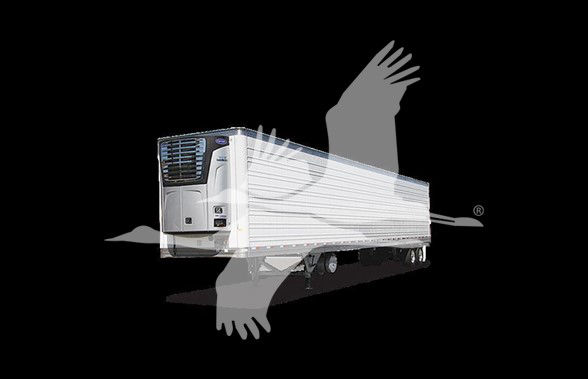
Have unknown reefer trailer to sell? List it here to reach thousands of buyers.
About Unknown Reefer Trailers in Pennsylvania
The trailer body deserves as much attention as the refrigeration unit. Check the interior liner for punctures, inspect scuff liners and sidewalls for forklift damage, and look closely at the floor for soft spots, heavy patching, or poor drainage. Rear door configuration also affects day-to-day use. Swing doors are common for dock work and tight temperature retention, while roll-up doors can be useful on multi-stop delivery routes where speed matters. Suspension and running gear are equally important on a used reefer. Air-ride suspension, slider tandems, brake condition, tire wear, and axle alignment all affect cargo protection, maintenance costs, and legal load distribution.
The refrigeration system is the make-or-break component. Buyers should verify engine hours, service records, defrost operation, set-point accuracy, and pull-down performance under load. Many refrigerated trailers are used for both chilled and frozen freight, so it helps to confirm the unit can maintain steady temperatures across the operating range your lanes require. Fuel tank condition, battery health, evaporator cleanliness, and controller functionality should all be part of the evaluation. If the trailer will handle food-grade freight, cleanliness, odor retention, and any history of contamination or cross-use are worth reviewing before purchase.
Unknown-brand reefer trailers can still be practical equipment if the core specs and maintenance history are right. The key is to buy based on structure, insulation integrity, reefer performance, and compliance rather than name recognition alone. In Pennsylvania, buyers often balance interstate linehaul work with dense urban deliveries, so trailer height, dock compatibility, door style, and unit reliability in both summer heat and winter freeze cycles can make a real difference. A well-maintained reefer trailer can serve as a dependable refrigerated freight platform even when the trailer make is not clearly identified.
Frequently Asked Questions
What matters most when buying a used reefer trailer with an unknown make?
The most important factors are the condition of the insulated box, the performance of the refrigeration unit, and the trailer's maintenance history. Buyers should inspect the roof, sidewalls, front wall, floor, doors, and seals for damage that can compromise temperature retention. Reefer unit hours, service documentation, set-point accuracy, and evidence of proper defrost cycles usually tell more about real value than the trailer brand name.
Are 53-foot reefer trailers the standard size?
Yes, 53-foot by 102-inch refrigerated trailers are the most common configuration in over-the-road and regional food service freight. That size works well for dock loading, pallet count, and compatibility with common shipping lanes. Buyers should still confirm inside height, floor type, door opening dimensions, and tandem slider setup because those details affect loading efficiency and legal axle placement.
How do I evaluate the refrigeration unit on a used reefer trailer?
Start with the reefer unit hours, then review service records, recent repairs, and any controller fault history. A proper inspection should include start-up behavior, pull-down time, temperature stability, defrost operation, battery and charging performance, and the condition of belts, hoses, and fuel components. If possible, a pre-purchase inspection from a qualified reefer technician is one of the best ways to avoid expensive surprises.
Which door style is better on a reefer trailer, swing doors or a roll-up door?
Swing doors usually provide better insulation and are common for full dock loading and long-haul freight. A roll-up door can be useful for route delivery and frequent stop applications because it opens quickly and reduces the chance of door damage in tight spaces. The best choice depends on freight type, stop count, and how important maximum thermal efficiency is for your operation.
What reefer trailer features are especially important in Pennsylvania?
Pennsylvania operations often combine highway miles, warehouse loading, and urban delivery in changing seasonal conditions. Buyers should pay close attention to insulation integrity, door seals, reefer reliability in freezing and hot weather, air-ride suspension, and brake and tire condition for mixed terrain and traffic. Strong temperature control and dependable start-up performance matter when freight moves through winter cold, summer humidity, and stop-and-go distribution routes.