
Reefer Trailers For Sale in Iowa
Browse reefer trailers for sale in Iowa. Compare refrigerated trailer specs, insulation, floor types, doors, and reefer unit setups for cold-chain hauling.
Learn more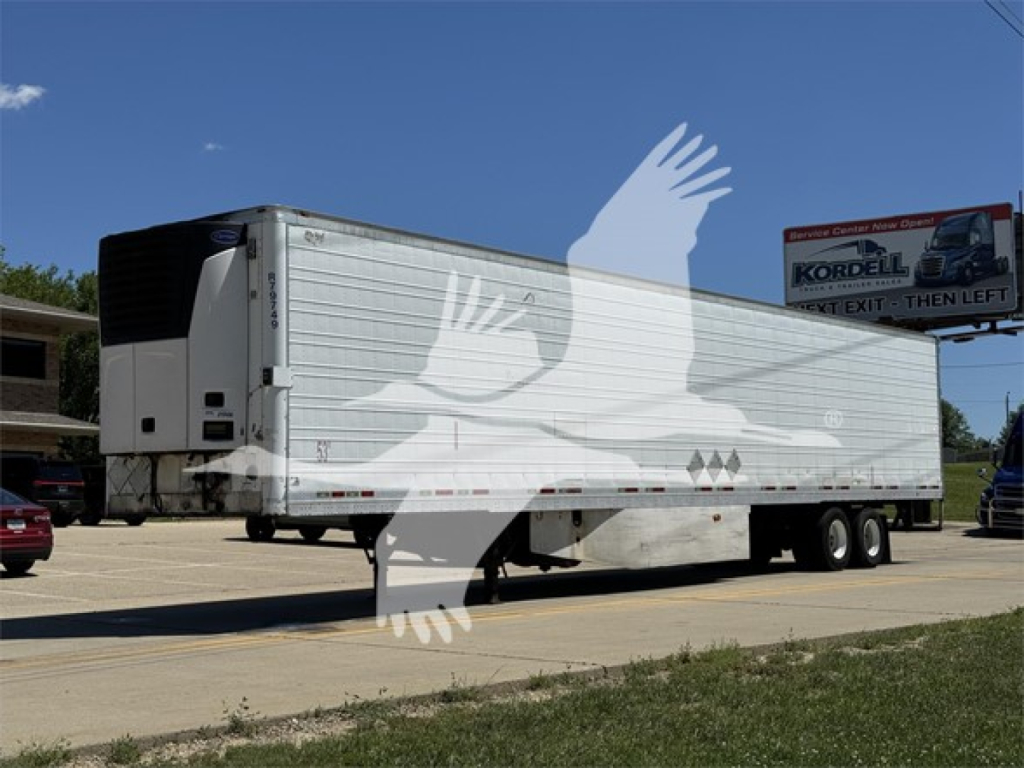

Have reefer trailer to sell? List it here to reach thousands of buyers.
About Reefer Trailers in Iowa
Most buyers start with the standard 53-foot tandem axle configuration, typically 102 inches wide with air ride suspension, because it fits mainstream grocery, frozen food, dairy, meat, and pharmacy distribution. Duct floors are common because they help move cold air under the load, which is important for uniform temperature from nose to doors. Swing doors remain the standard for full trailer loading, while interior options like E-track, scuff liners, and logistics posts can make a big difference if freight is mixed, palletized, or requires load securement flexibility. Tire inflation systems, aluminum wheels, and galvanized components are also worth attention because they can reduce roadside issues and corrosion-related upkeep over the life of the trailer.
Insulated panel quality is a major separator in this category. Smooth, well-bonded foam panels and tight door seals help a reefer trailer cycle less often and maintain setpoint more efficiently, especially on multi-stop routes. Buyers should also look closely at floor rating, rear frame durability, and the trailer's tare weight versus structural strength. Heavy floor use from pallet jacks and forklifts can wear out a trailer faster than linehaul miles if the floor and threshold are not built for it. For fleets running produce, frozen freight, or LTL cold-chain loads, airflow management and interior cleanliness are just as important as refrigeration capacity.
A reefer trailer in Iowa may spend one week on regional food service work and the next on longer Midwest lanes, so serviceability matters. Check unit brand support, parts availability, trailer telematics compatibility, and the condition of wear items like door gaskets, drains, mud flaps, and suspension components. Newer trailers often bring gains in thermal efficiency and lower maintenance, while older units may still pencil out well for dedicated lanes or drop trailer operations if the box is sound and the refrigeration system has solid service records. The right reefer trailer is the one that matches the commodity, route profile, and loading practice without forcing higher fuel burn or temperature risk.
Frequently Asked Questions
What should I look for first when buying a reefer trailer?
Start with the trailer box and its ability to hold temperature, then evaluate the refrigeration unit. Panel construction, insulation integrity, door seals, floor design, and signs of moisture intrusion all affect temperature control and operating cost. A strong reefer unit cannot make up for a box that leaks air or has damaged insulation. Buyers should also verify axle setup, suspension, floor rating, and the condition of common wear areas such as the rear frame, threshold, and interior lining.
Why is a duct floor important in a refrigerated trailer?
A duct floor helps channel refrigerated air under the cargo so cold air can move from the front of the trailer to the rear more evenly. That airflow pattern is important for maintaining consistent product temperature, especially with dense palletized loads. If airflow is blocked by improper loading or a damaged floor, the trailer can develop warm spots near the rear or center of the load. For food-grade and frozen applications, floor condition and proper loading practices are directly tied to cargo protection.
Are galvanized components worth it on a reefer trailer?
Galvanized steel parts can be a smart long-term value because reefers are exposed to washdowns, road salt, condensation, and constant moisture. Corrosion around the rear frame, underride area, crossmembers, and hardware can shorten trailer life and raise maintenance costs. A trailer with more corrosion-resistant components typically stays cleaner-looking and may require less repainting and structural repair over time. This can matter even more in Midwest service where winter road treatment is hard on equipment.
What trailer specs are most common for reefer freight?
The most common setup is a 53-foot, 102-inch wide tandem axle reefer trailer with air ride suspension and swing rear doors. Many trailers in this class also include duct floors, scuff liners, load securement tracks such as E-track, and optional tire inflation systems. That configuration works well for grocery, meat, dairy, frozen food, and general cold-chain freight because it balances cube, payload, ride quality, and loading compatibility across a wide range of docks and lanes.
How do I match a reefer trailer to my operation in Iowa?
The best fit depends on commodity, lane length, stop count, and how the trailer is loaded. Regional multi-stop food distribution may put more value on thermal efficiency, fast recovery, and durable floors for frequent forklift traffic. Longer highway lanes may prioritize fuel efficiency, lower tare weight, and dependable service support for the refrigeration unit. In Iowa, where trailers may operate through hot summers and severe winter cold, buyers should place extra emphasis on insulation quality, door sealing, corrosion resistance, and local access to reefer service.