
Wabash Reefer Trailers For Sale in Iowa
Shop Wabash reefer trailers for sale in Iowa. Compare 53x102 specs, insulation, floor options, reefer setup, and condition factors.
Learn more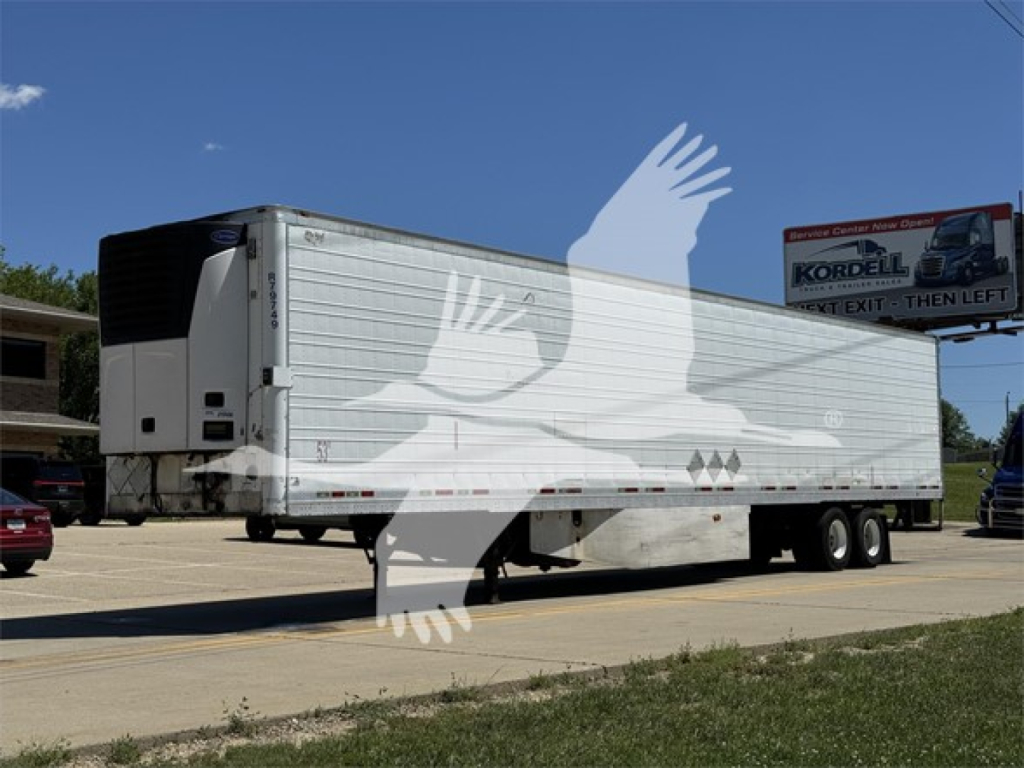
Have wabash reefer trailer to sell? List it here to reach thousands of buyers.
About Wabash Reefer Trailers in Iowa
For Iowa operators, reefer performance matters at both ends of the weather cycle. Summer heat puts pressure on insulation, air chute condition, and unit efficiency, while winter operation can expose weak door seals, moisture intrusion, and issues with fuel, batteries, or start cycles on the refrigeration unit. Wabash trailers are often spec'd with aluminum floors, high base rails, side skirts, and scuff liner packages, and those details matter depending on your lanes and dock environment. A high-traffic grocery or distribution application will usually benefit from a strong floor rating, clean interior walls, and minimal damage around the front bulkhead and threshold plate.
A buyer comparing Wabash reefer trailers should look closely at the reefer unit brand and service records, especially on Carrier and Thermo King-equipped trailers. Reefer hours tell part of the story, but maintenance history is just as important as the number itself. Check for patched floors, wall delamination, roof repairs, uneven tire wear, suspension condition, brake life, and signs of corrosion around crossmembers, rear frame, and landing gear mounts. If the trailer will run in multi-stop service, details like chute condition, door operation, interior dimensions, and the ability to hold setpoint after frequent openings are more important than a simple visual walkaround.
Wabash reefers also appeal to buyers who want a trailer that fits broad resale and fleet-service standards. Parts access, familiarity in the repair market, and common 53-foot specs make them practical for carriers, private fleets, and owner-operators hauling produce, dairy, frozen freight, pharmaceuticals, or other perishable goods. The best trailer for the job is usually the one with the right combination of insulation integrity, floor and wall condition, reefer reliability, and axle-suspension-brake spec for the freight you actually haul.
Frequently Asked Questions
What should I check first on a used Wabash reefer trailer?
Start with the reefer unit hours, service records, and proof that the trailer can hold temperature consistently. After that, inspect the floor for forklift damage, check door seals and hinges, look for wall delamination or interior punctures, and examine the roof, crossmembers, rear frame, brakes, tires, and suspension. A clean exterior does not tell you much if the unit has poor insulation integrity or a weakened floor.
Are most Wabash reefer trailers 53x102?
Yes, 53x102 is the most common configuration in the reefer market because it matches standard over-the-road freight requirements and dock compatibility. Buyers will also see common fleet specs such as swing doors, aluminum floors, logistics posts, and tandem axle setups. The exact interior layout, floor rating, and reefer unit spec can vary depending on the original application.
How important are reefer unit hours on a Wabash trailer?
Reefer hours are important, but they should never be viewed by themselves. A higher-hour Carrier or Thermo King unit with strong maintenance records can be a better buy than a lower-hour unit with poor service history. Hours help estimate wear on the engine and refrigeration components, but pre-trip performance, temperature pull-down, start-stop behavior, and maintenance documentation give a clearer picture of reliability.
What freight are Wabash reefer trailers commonly used for?
Wabash reefer trailers are commonly used for produce, meat, dairy, frozen foods, beverages, and other temperature-controlled freight. They are also used in grocery distribution and some pharmaceutical or specialty applications where stable trailer temperatures matter. The right trailer spec depends on whether the work is long-haul continuous run, regional grocery delivery, or multi-stop service with frequent door openings.
Do side skirts and high base rails add value on a reefer trailer?
They can, depending on the operation. Side skirts may improve aerodynamics and fuel economy in highway service, while high base rails can add protection in demanding dock environments and help with trailer durability. These features do not replace good structural condition, but they can make a trailer more appealing if the core items like floor condition, insulation, and reefer performance are sound.