
Used Great Dane Reefer Trailers For Sale

Have used great dane reefer trailer to sell? List it here to reach thousands of buyers.
Used Great Dane Reefer Trailers
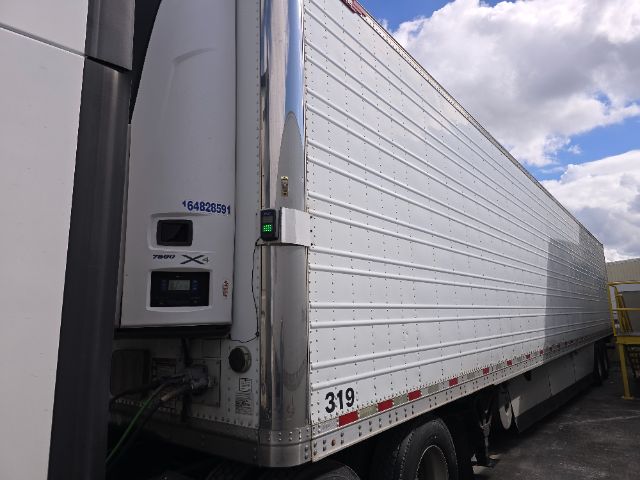
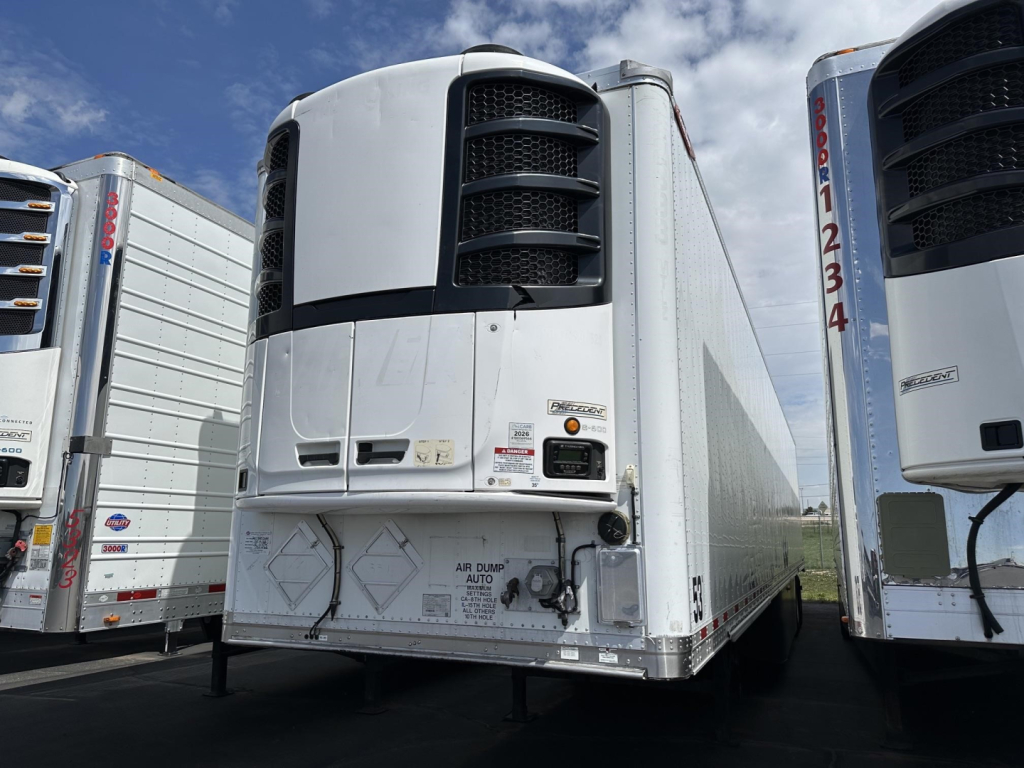
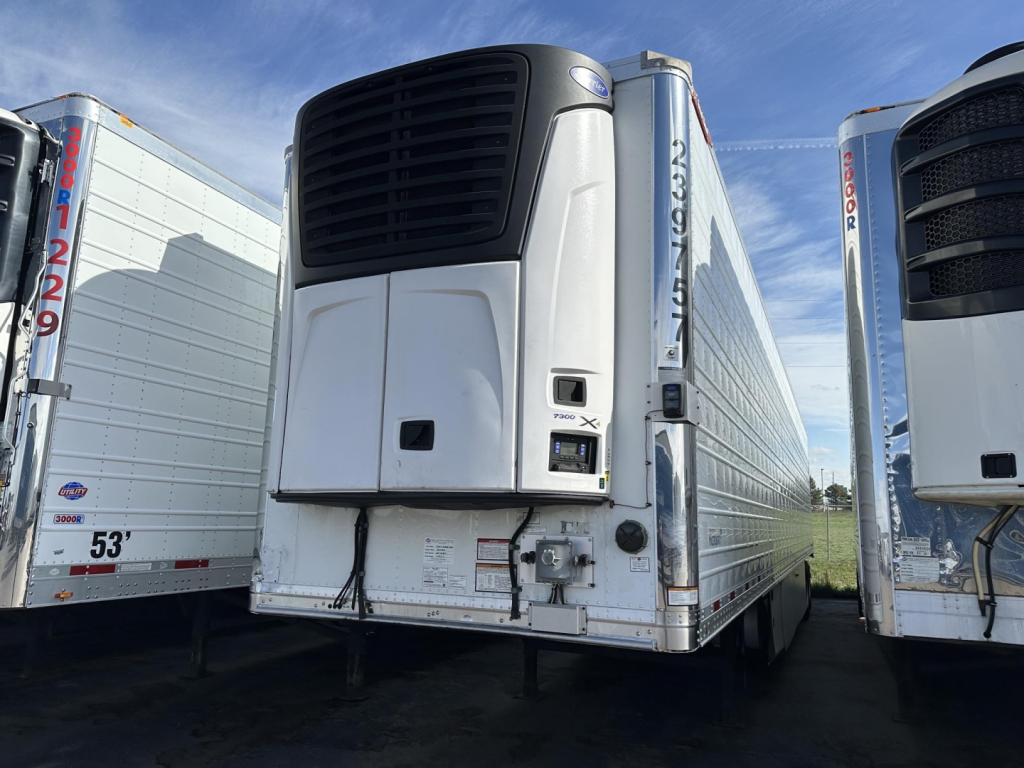
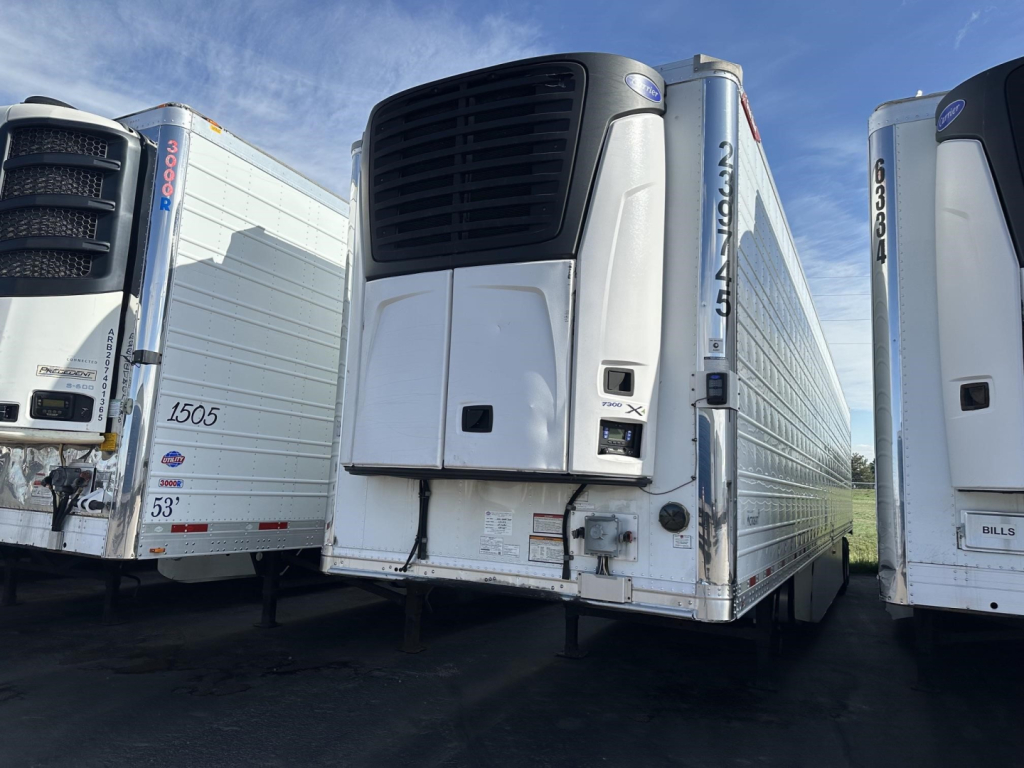
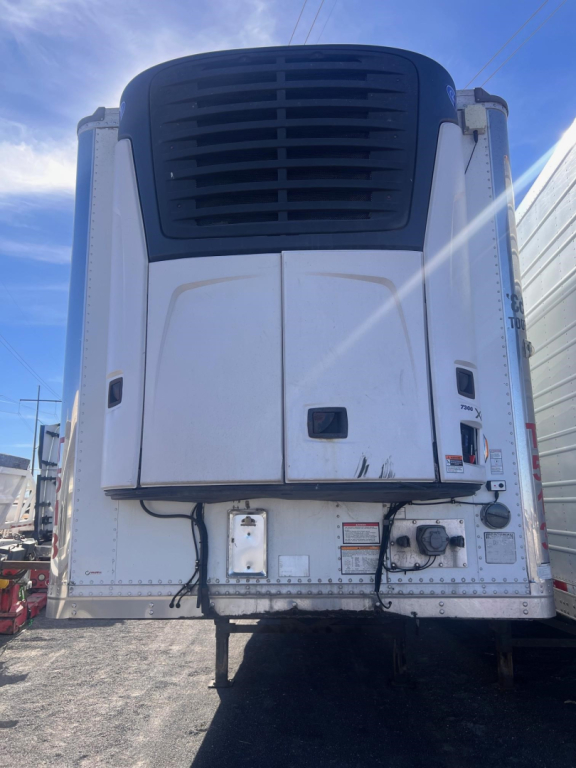
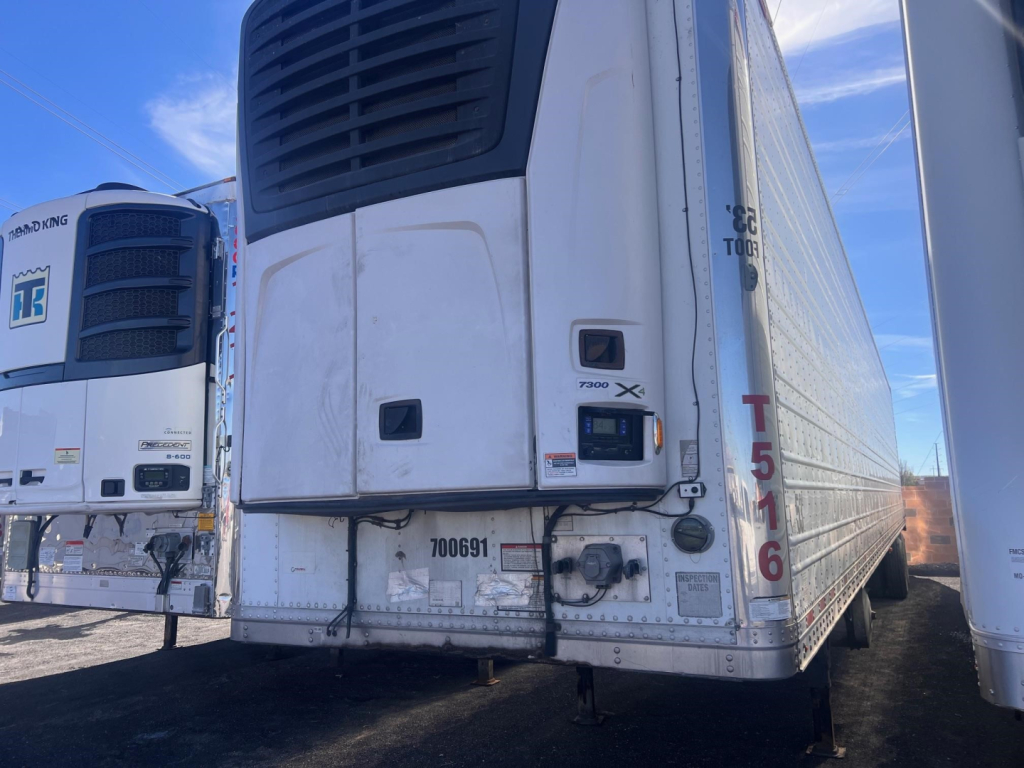
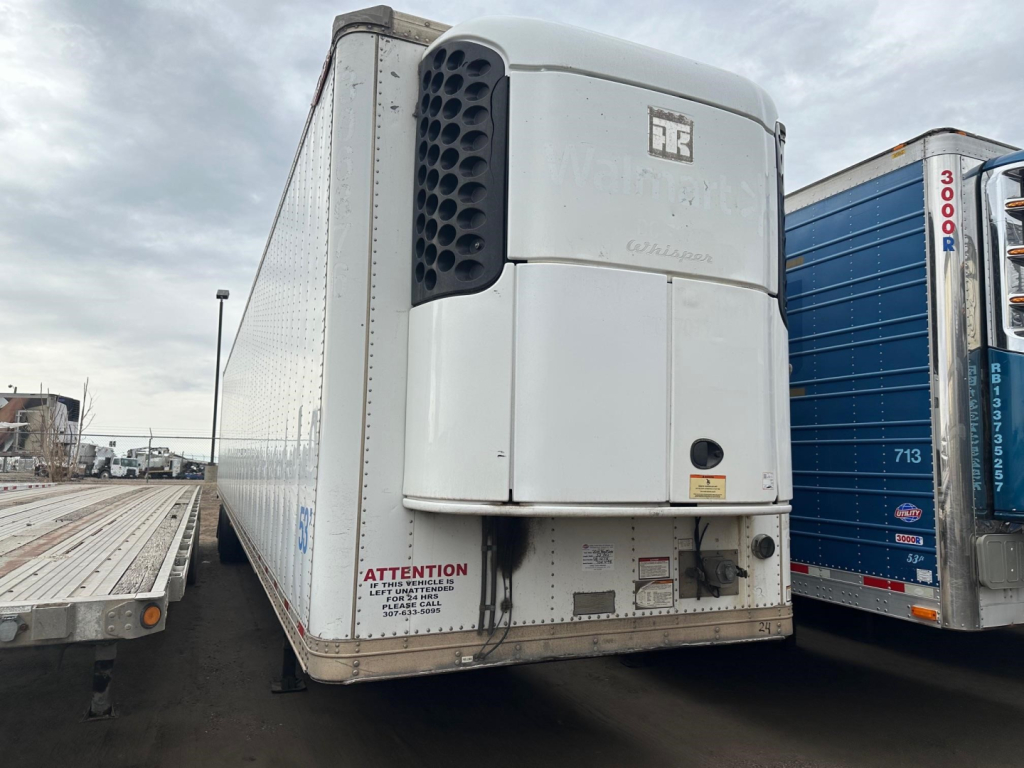
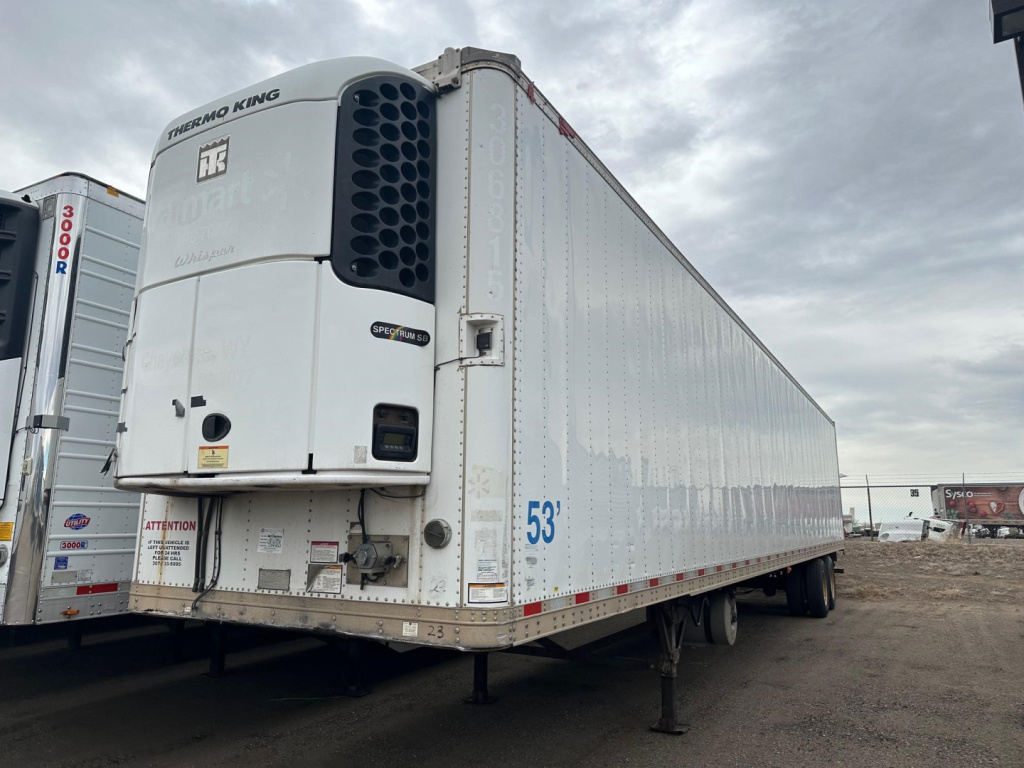
A buyer should start with the refrigeration package, then work back through the trailer body. Unit model, engine hours, service history, and temperature pull-down performance matter more than cosmetic appearance. Great Dane reefer trailers are commonly found with Thermo King Precedent, Spectrum, and older SB-series units, along with Carrier X4 series systems. Multi-temp trailers may include two or three evaporators, chute systems, and extra E-track or logistics posts to support partitioning. On the trailer itself, look at floor type and wear. Aluminum flat floors, wood floors, scuff liners, stainless front corners, stainless door frames, and quilted swing doors all affect long-term durability and sanitation. Rear frame condition, door seal integrity, and signs of water intrusion around the front wall or roof radius deserve a close inspection on any used reefer.
Suspension and axle layout can tell you a lot about the trailer's intended duty cycle. Great Dane reefers are frequently spec'd with air ride and sliding tandems, though some regional or dock-heavy applications may show spring ride or closed tandem setups. Tire size, wheel type, and the presence of a tire inflation system can influence maintenance cost and uptime. If the trailer was used in urban distribution, details like curbside doors, roll-up rear doors, and liftgates may be more important than maximizing cube. For long-haul refrigerated freight, buyers usually focus on insulation condition, door opening dimensions, kingpin setting, fuel tank capacity on the reefer unit, and how well the trailer holds setpoint under load.
Great Dane models such as the Super Seal and later SS configurations are known in the market for cold retention and fleet-friendly parts support, but condition still outweighs badge value on a used reefer. The best unit for one operation may be a straightforward single-temp trailer with a clean maintenance file, while another buyer may need a multi-zone setup with side doors and delivery hardware for route work. Compare reefer hours, body repairs, floor condition, suspension wear, and unit compliance status before focusing on age alone. A well-maintained used Great Dane reefer trailer can still be a productive cold-chain asset if the refrigeration unit, insulation package, and door system match the freight and lanes you run.
Frequently Asked Questions about Used Great Dane Reefer Trailers
What should I inspect first on a used Great Dane reefer trailer?
Start with the refrigeration unit and the trailer's ability to hold temperature. Check reefer engine hours, maintenance records, recent repairs, and actual pull-down performance. Then inspect the trailer body for floor wear, door seal condition, front wall and roof integrity, evaporator condition, and any signs of water intrusion or insulation damage. Cosmetic issues matter less than refrigeration performance and structural condition.
Are Great Dane reefer trailers commonly available in multi-temp configurations?
Yes. Used Great Dane reefer trailers are often found in both single-temp and multi-temp specifications. Multi-temp units may include two or three evaporators, bulkheads, chutes, and additional airflow management components. These trailers are useful for mixed loads with frozen and fresh product on the same route, but they add complexity, so buyers should confirm that all zones, evaporators, and controls are functioning correctly.
What refrigeration units are common on used Great Dane reefers?
Thermo King and Carrier are the most common refrigeration brands found on used Great Dane reefer trailers. Buyers frequently see Thermo King Precedent, Spectrum, and older SB-series units, along with Carrier X4 models. The right choice depends on local service support, parts availability, fuel efficiency goals, and whether the trailer is configured for single-temp or multi-temp operation.
How important are floor type and interior hardware on a reefer trailer?
They matter more than many first-time buyers expect. Floor type affects sanitation, durability, and cargo handling, especially in heavy pallet traffic. Aluminum flat floors are common in fleet specs, while some older trailers may have wood floors. Interior hardware such as scuff liners, E-track, logistics posts, and wearbands can make a big difference if the trailer is used in food distribution, multi-stop delivery, or mixed freight applications.
Is trailer age less important than reefer hours on a used refrigerated trailer?
In many cases, yes. Age still matters because seals, insulation, wiring, and structural components deteriorate over time, but reefer hours and maintenance quality are often better indicators of remaining service life. A newer trailer with a neglected refrigeration unit can be a worse buy than an older Great Dane reefer with documented service, strong temperature control, and a sound trailer body.