
Reefer Trailers For Sale in Florida
Shop reefer trailers for sale in Florida. Compare 53-foot refrigerated trailers, insulation, floor types, and Carrier or Thermo King units.
Learn moreBrowse Reefer Trailers by Make
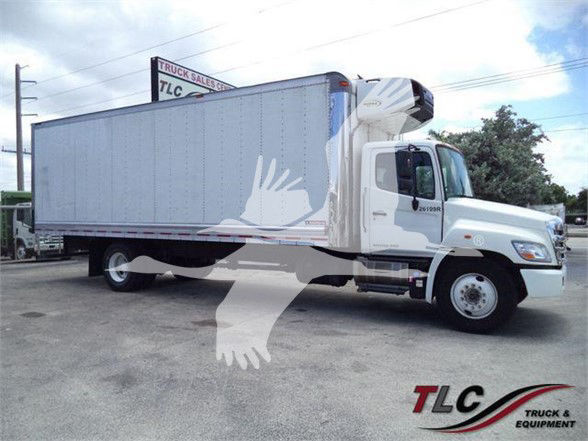
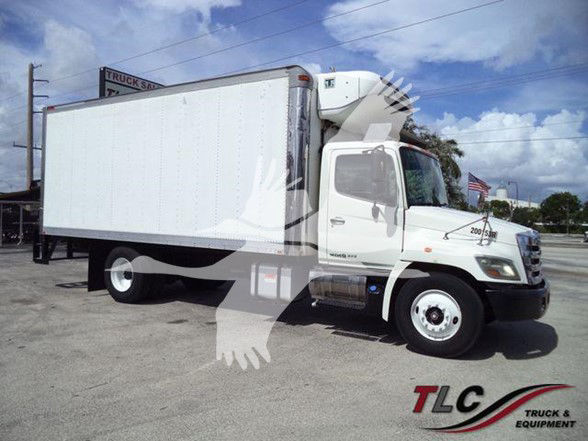
Showing 13 to 14 of 14 results
Have reefer trailer to sell? List it here to reach thousands of buyers.
About Reefer Trailers in Florida
The refrigeration unit matters as much as the trailer body. A good reefer spec starts with the right temperature range, enough cooling capacity for the lanes you run, and a service network that matches your operating area. Continuous run and start-stop modes both have their place, depending on the freight and delivery pattern. It is also worth checking whether the unit has electric standby, remote telematics, or multi-temp capability if your operation handles mixed loads. On the trailer side, look at interior height, aluminum or duct floors, scuff liners, sidewall condition, and rear frame corrosion. Florida buyers should inspect closely for moisture intrusion, patched floors, and roof damage because heat and humidity can expose weaknesses fast.
Cargo type should drive the spec decision. Frozen freight usually calls for a tighter box, strong insulation values, and a floor design that keeps airflow moving under pallets. Fresh produce and other chilled loads may put more emphasis on rapid recovery after door openings and even air distribution from nose to rear doors. If the trailer will see grocery distribution or multiple daily stops, door hardware, bulkhead condition, and unit reliability become major cost factors. Tire size, brake condition, wheel-end maintenance, and axle configuration also matter because reefer trailers carry extra tare weight compared with dry vans, and that affects payload, tire wear, and operating cost.
A reefer trailer buyer should compare more than age and price. Unit hours, maintenance records, air chute or air delivery setup, fuel tank condition, and the state of the interior walls often tell you more about remaining value than model year alone. In Florida service, corrosion around the rear sill, landing gear, and crossmembers deserves a careful look, especially on trailers exposed to coastal air. The best reefer for your operation is the one that matches your temperature band, stop frequency, freight mix, and maintenance capacity while still giving you a box that seals tight and a unit that can hold setpoint under real summer conditions.
Frequently Asked Questions
What should I look for first when buying a used reefer trailer in Florida?
Start with the refrigeration unit hours, maintenance history, and the condition of the insulated box. In Florida, strong pull-down performance and consistent temperature control matter because ambient heat and humidity put more strain on the unit. Check door seals, interior walls, floor wear, roof condition, and signs of moisture intrusion. A reefer that looks clean but has weak insulation or poor seal integrity can become expensive quickly through higher fuel burn, rejected loads, and temperature variance claims.
What size reefer trailer is most common?
The most common refrigerated trailer in over-the-road service is a 53-foot reefer with a 102-inch width and tandem axles. That size works well for full truckload freight, grocery distribution, and regional food service lanes. Other lengths exist, but 53-foot trailers dominate the market because they offer the best balance of cube, freight compatibility, and resale demand.
How important are reefer unit hours compared to trailer age?
Reefer unit hours are often more important than trailer age because the refrigeration unit is a major cost center and wear item. A newer trailer with very high engine hours or inconsistent service can be a risk, while an older trailer with documented maintenance and reasonable hours may offer better value. Buyers should look at both engine hours and operating records, including recent repairs to compressors, belts, evaporators, and control systems.
Which reefer unit brands are most common?
Carrier and Thermo King are the two most common refrigeration unit brands on reefer trailers. Both have broad service support, widely available parts, and strong acceptance in the resale market. The better choice often depends on local dealer support, technician familiarity, and what your fleet already runs. Consistency across your trailer pool can simplify parts stocking and maintenance training.
Do reefer trailers carry less payload than dry vans?
Yes, reefer trailers usually have a lower payload capacity than comparable dry vans because of the added weight of the refrigeration unit, insulated body construction, fuel tank, and heavier floor and wall components. That extra tare weight matters if you haul dense products like frozen food, beverages, or dairy. Buyers should review trailer weight, axle ratings, and typical commodity weights to make sure the trailer fits the freight they intend to haul.