
Used Dorsey Reefer Trailers For Sale in New York
Browse used Dorsey reefer trailers with practical guidance on trailer length, reefer unit condition, insulation, floor wear, and road-ready specs.
Learn more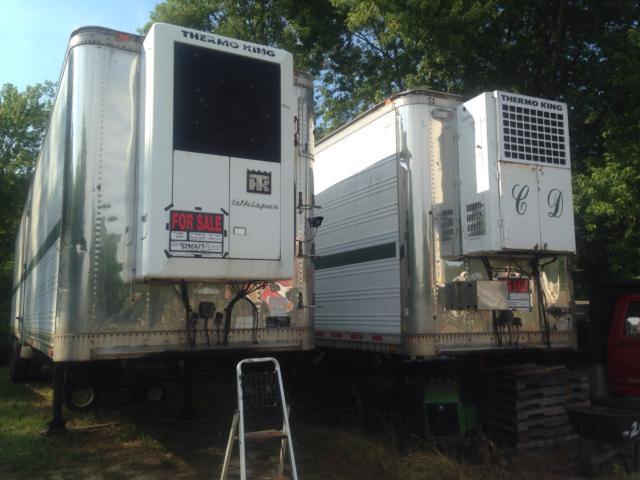
Have used dorsey reefer trailer to sell? List it here to reach thousands of buyers.
About Used Dorsey Reefer Trailers in New York
On a used reefer, buyers should pay close attention to the unit hours, pull-down performance, air chute condition, and signs of past temperature loss. Thermo King and Carrier units are common on older refrigerated trailers, and service history is important because engine hours alone do not tell the whole story. Check for evaporator cleanliness, fuel tank condition, controller function, and whether the unit maintains setpoint under load. On the trailer side, look closely at the aluminum roof, front wall, door seals, stainless or aluminum scuff liners, crossmember integrity, and the floor. A badly worn floor or damaged insulation package can turn a low purchase price into a costly repair cycle.
Dorsey trailers are generally known as practical work trailers, and on older reefer models the value is often in straightforward construction and a lower acquisition cost than late-model units. Suspension type, axle spread, wheel-end condition, and brake life still matter because a reefer that sits well but cannot stay road-ready will not earn. Buyers in New York should also consider registration, annual inspection requirements, and how the trailer will be used in city, regional, or port-related lanes. If the trailer will handle mixed frozen and cooler freight, verify bulkhead compatibility and confirm the reefer unit can manage the temperature range your lanes require.
For many buyers, the best used Dorsey reefer trailer is the one with documented maintenance, a dry and solid insulated body, healthy doors and seals, and a reefer unit that starts cleanly and holds temperature without chasing faults. Tire percentage and brake percentage are useful shorthand in seller descriptions, but they are only part of the picture. A thorough inspection should include kingpin wear, landing gear operation, light and wiring condition, tandem slide function if equipped, and evidence of past patchwork on the nose, roof, or floor. A clean older reefer can still be a productive asset, but only if the refrigeration system and trailer shell are working together as they should.
Frequently Asked Questions
What should I inspect first on a used Dorsey reefer trailer?
Start with the refrigeration unit and the trailer body together, because reefer performance depends on both. Verify that the unit starts properly, reaches set temperature, and holds that temperature without active alarms. Then inspect the insulated body for roof damage, soft spots in the floor, worn door seals, damaged air chute material, and signs of water intrusion. A reefer with a running unit but poor insulation or bad doors can still lose temperature and operating efficiency.
Are older 48-foot Dorsey reefer trailers still practical in New York?
Yes, in the right operation. A 48-foot reefer can still fit regional lanes, urban deliveries, and operations where dock access is tighter than what a 53-footer comfortably handles. The tradeoff is cube and possible customer preference, since some shippers and warehouses are set up around 53-foot equipment. Buyers should match trailer length to lane requirements, delivery points, and shipper expectations before focusing only on purchase price.
How important are reefer unit hours on a used trailer?
Unit hours are important, but they should not be treated as the only measurement of value. A lower-hour unit with poor maintenance can be a bigger risk than a higher-hour unit with strong service records. Look at preventive maintenance history, major component replacements, controller function, and actual pull-down performance. The best indicator is a reefer unit that runs consistently, holds setpoint, and shows evidence of regular service.
What common wear points show up on used reefer trailers?
Common problem areas include floor wear from pallet traffic, crossmember corrosion or fatigue, rear frame and threshold damage, door hinge wear, bad door seals, and interior liner damage from forklift impact. On the refrigeration side, buyers often find neglected evaporator cleaning, fuel system issues, and deferred repairs that affect temperature control. Tires, brakes, lights, and wheel ends also need close inspection because road-ready condition can change the real cost of ownership quickly.
Is a used Dorsey reefer trailer a good fit for lower-budget refrigerated hauling?
It can be, especially for buyers who need entry-level refrigerated capacity without the cost of a newer trailer. The value is strongest when the trailer shell is structurally sound and the reefer unit has verifiable maintenance history. Lower-budget reefers can work well in regional service, seasonal produce, dairy, or backup fleet roles, but they should be inspected carefully for insulation integrity, floor life, and unit reliability before purchase.