
Vantage Pneumatic - Dry Bulk Trailers For Sale in Pennsylvania
Shop Vantage pneumatic dry bulk trailers for hauling sand, cement, fly ash, and powders with specs on capacity, hoppers, piping, and suspension.
Learn more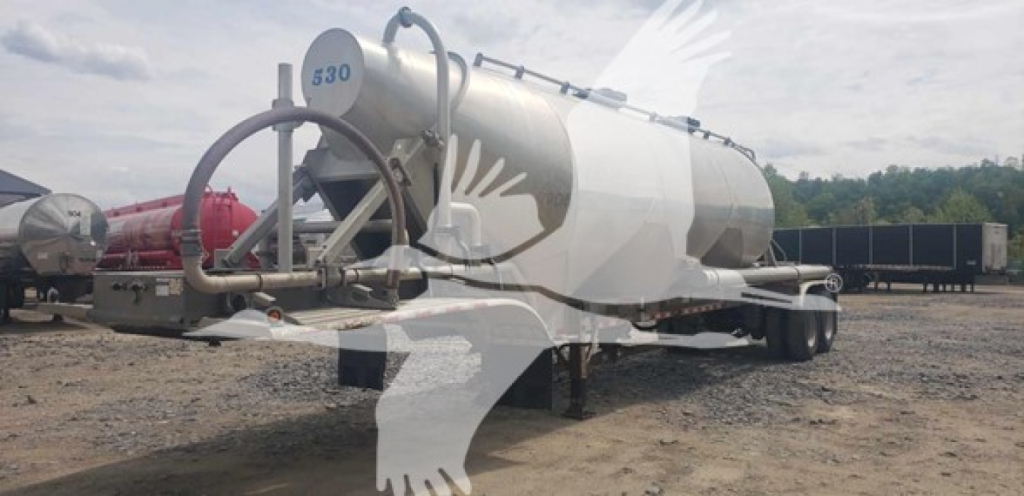
Have vantage pneumatic - dry bulk trailer to sell? List it here to reach thousands of buyers.
About Vantage Pneumatic - Dry Bulk Trailers in Pennsylvania
Many Vantage dry bulk trailers are aluminum barrel units designed to keep tare weight down while maintaining useful payload. Common configurations include tandem axle setups, air ride suspension, 96-inch width, and multiple hopper designs that help product flow toward the discharge system. For sand service, three-hopper layouts are common, and details like aeration, flow cones, butterfly valves, steel or aluminum piping, and top air setup matter more than cosmetic condition. Hose storage, rear ladders, frame-mounted gauges, and under-axle discharge hose routing also affect daily usability, especially for operators making repeated pneumatic unloads.
The most important inspection points on a used pneumatic trailer are usually the barrel condition, signs of prior weld repair, condition of the piping and tees, valve wear, manhole lid sealing, and the overall health of the blower-related plumbing. Buyers should also check kingpin setting, suspension setting, landing gear condition, brake life, tire condition, and wheel material, because these trailers often work in abrasive, high-cycle applications. If the trailer has galvanized end frames, aluminum struts, full fenders, or multiple hose tubes, those features can add durability and jobsite practicality. Product history matters too. A trailer used in sand service may show different wear patterns than one used for cement or flour-type products.
For buyers focused on Vantage pneumatic dry bulk trailers, the best match comes from lining up commodity type, unload requirements, and legal payload targets with the trailer's actual build. A lighter aluminum tank may be ideal where payload is critical, while discharge components and hopper geometry become the deciding factors when product flow is difficult or unload times need to stay short. The right trailer in this category is not just about cubic feet. It is about how efficiently it loads, how consistently it unloads, and how well its running gear and tank system hold up in regular bulk service.
Frequently Asked Questions
What commodities are Vantage pneumatic dry bulk trailers commonly used to haul?
Vantage pneumatic dry bulk trailers are commonly used for dry, flowable materials such as sand, cement, fly ash, lime, and other powdered or granular products. The exact commodity matters because product density, abrasiveness, and flow characteristics affect the ideal hopper design, valve setup, piping material, and total cubic capacity. A trailer set up for sand service may differ from one used for lighter powders in both wear pattern and unloading performance.
What should I look at first on a used Vantage dry bulk trailer?
Start with the tank and discharge system. Barrel condition, weld quality, manhole seals, hopper condition, aeration components, valves, piping, and tees are the most important areas because they directly affect unloading efficiency and repair cost. After that, inspect suspension, brakes, tires, wheels, kingpin area, and landing gear, since those items determine roadworthiness and can add significant reconditioning expense.
Is an aluminum pneumatic trailer better than a steel one?
An aluminum pneumatic trailer usually offers lower tare weight, which can improve legal payload and fuel efficiency. That makes aluminum attractive for many bulk haulers. Steel components may still be used in piping, tees, or structural areas for durability. The better choice depends on the product hauled, expected corrosion exposure, and how much priority is placed on payload versus long-term wear in high-abrasion service.
How does hopper count affect a pneumatic dry bulk trailer?
Hopper count influences product flow, unloading consistency, and how the trailer handles different commodities. A multi-hopper design, such as a three-hopper trailer, can help move product more evenly toward the discharge system and is common in sand applications. The right setup depends on the commodity's flow characteristics, the discharge system, and whether the operation prioritizes fast unload times, cleanout, or versatility across multiple products.
Why do kingpin setting and suspension setting matter on a dry bulk trailer?
Kingpin setting and suspension setting affect weight distribution, bridge compliance, and how the trailer matches with the tractor. On a pneumatic dry bulk trailer, these dimensions are especially important because commodity weight can concentrate differently depending on hopper layout and load level. A trailer with the right settings for your wheelbase and operating area can help with axle compliance, handling, and overall usability on regional routes.