
Used Unknown Pneumatic - Dry Bulk Trailers For Sale
Browse used pneumatic dry bulk trailers for hauling sand, cement, lime, and other powders with common specs, hopper layouts, and discharge setups.
Learn more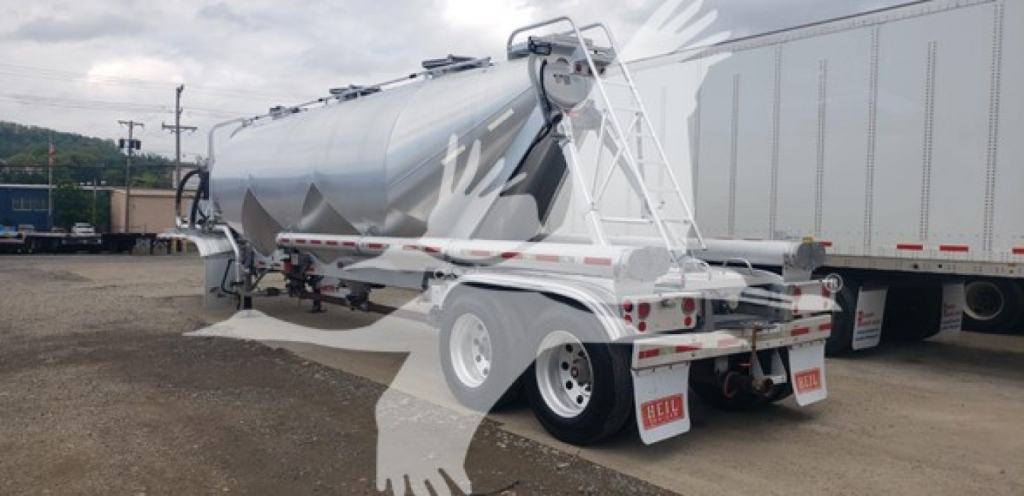
Have used unknown pneumatic - dry bulk trailer to sell? List it here to reach thousands of buyers.
About Used Unknown Pneumatic - Dry Bulk Trailers
On the trailer itself, buyers usually compare barrel material, capacity, and piping configuration first. Aluminum barrels are common because they keep tare weight down and help maximize payload, while steel components may still be used in piping, tees, subframes, or rear discharge sections for durability. Capacity is often described in cubic feet, and the right number depends on the commodity, not just how much space is available. Heavier products like sand can max out gross weight long before the tank is full, while lighter powders may need more cube. Three-hopper and multiple-cone designs are common because they improve material flow to the discharge system and help reduce leftover product in the tank.
The unloading system deserves close attention on any used pneumatic trailer. Look at the aeration system, flow cones, butterfly valves, top air plumbing, gauges, and rear discharge arrangement. A straight under-axle discharge is common on some units, but jobsite access, hose routing, and customer unload requirements may push a buyer toward a different setup. Hose tube storage, manhole count, air lids, catwalks, ladders, and cabinet layout all affect day-to-day usability. If the trailer will handle abrasive material like frac sand, inspect barrel condition, piping wear, valve sealing surfaces, and any evidence of patchwork or thinning around elbows and high-wear areas.
Running gear and structural condition matter just as much as tank specs. Suspension type, axle count, brake condition, wheel material, tire size, and landing gear all affect maintenance cost and uptime. Air ride suspensions are common on pneumatic dry bulk trailers because they protect the equipment and help with ride quality under variable load conditions. Check the kingpin area, end frames, crossmember condition, frame corrosion, and any galvanized components for signs of repairs or fatigue. For many buyers, the best used pneumatic dry bulk trailer is not the biggest tank, but the one whose cube, discharge system, and weight profile match the commodity and unloading environment.
Frequently Asked Questions
What products are commonly hauled in a pneumatic dry bulk trailer?
Pneumatic dry bulk trailers are commonly used for cement, lime, fly ash, sand, flour, sugar, plastic pellets, and other dry bulk powders or granulated materials. The exact commodity matters because dense products like sand require a different payload strategy than lighter materials that need more cubic capacity. Some operations also need food-grade or contamination-sensitive specifications, which can affect barrel finish, hose handling, and prior-use considerations.
How do I choose the right capacity for a used dry bulk trailer?
Choose capacity by matching cubic feet to the weight and flow characteristics of the product you plan to haul. A trailer with more cube is not always better because dense materials can hit legal gross weight limits before the tank is full. Buyers hauling sand or similar heavy commodities often focus on tare weight, axle configuration, and practical payload, while buyers hauling lighter powders may prioritize larger capacity and efficient aeration.
What should I inspect on a used pneumatic trailer before buying?
Focus on the barrel, cones, piping, valves, and discharge system first because those components directly affect unload performance and repair cost. Inspect for wear around elbows, tees, butterfly valves, aeration pads, manholes, and hose connections. Also check the frame, suspension, kingpin plate, landing gear, brakes, tires, and wheel ends, since structural or running gear issues can quickly erase any upfront savings on a used unit.
Are aluminum dry bulk trailers better than steel?
Aluminum dry bulk trailers are popular because they reduce tare weight and can increase payload potential, which matters in bulk hauling. Steel still has advantages in certain components where abrasion resistance or structural durability is a priority, so many trailers use a mix of materials. The better choice depends on commodity, route conditions, maintenance practices, and how much weight sensitivity affects revenue in your operation.
What is the difference between a sand tank and a general pneumatic dry bulk trailer?
A sand tank is a type of pneumatic dry bulk trailer set up specifically for hauling sand, often with features suited to abrasive material and heavy payloads. General pneumatic dry bulk trailers may be configured for cement, lime, fly ash, resin, or food-grade products, and their cone design, plumbing, and capacity can differ accordingly. The term sand tank is common in oilfield and frac work, but the underlying trailer class is still pneumatic dry bulk.