
Unknown Pneumatic - Dry Bulk Trailers For Sale in Pennsylvania
Shop pneumatic dry bulk trailers for hauling sand, cement, lime, fly ash, and other dry commodities with pressure unloading and hopper discharge.
Learn more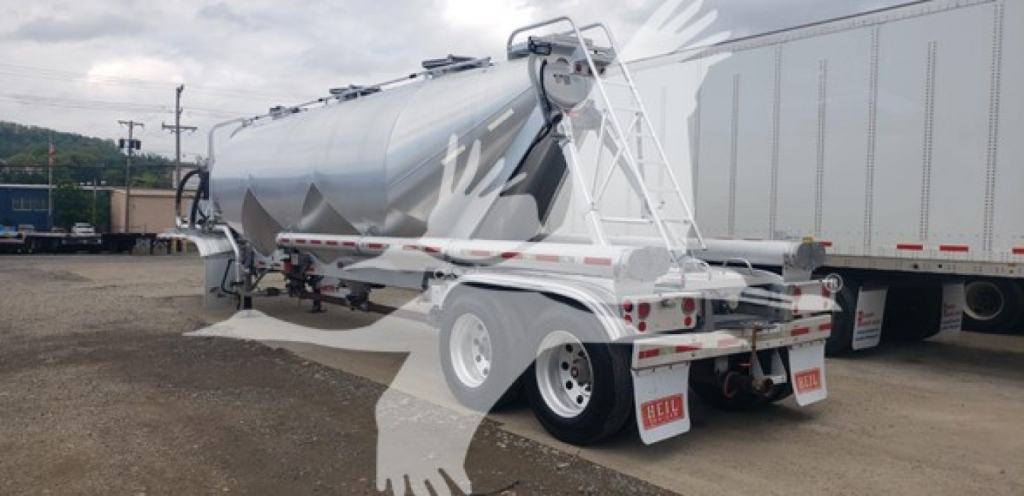
Have unknown pneumatic - dry bulk trailer to sell? List it here to reach thousands of buyers.
About Unknown Pneumatic - Dry Bulk Trailers in Pennsylvania
A typical pneumatic trailer in this class uses an aluminum barrel to keep tare weight down, paired with steel or aluminum piping depending on durability needs and corrosion exposure. You will commonly see two-axle and tri-axle setups, air ride suspension, butterfly valves, multiple manholes or air lids, and two or three hopper configurations. Aeration systems and flow cones matter because they directly affect unload speed and how completely the product evacuates. Rear discharge layout, pipe routing, hose tube length, and cabinet-mounted gauges should all be evaluated with the unloading sites in mind. If the trailer will spend its life on frac sand, pay close attention to barrel condition, piping wear, valve condition, and the overall integrity of the discharge system.
In Pennsylvania, buyer priorities often include road weight compliance, corrosion resistance, and cold-weather serviceability. Aluminum barrels and components help with payload, but galvanized end frames, hangers, and support structures can also be valuable where road salt is a factor. Suspension brand, brake condition, landing gear, and wheel setup matter just as much as tank specs because these trailers often cycle through job sites, terminals, and plant yards where uptime is tied to the running gear. Tire profile, axle count, and frame condition should be matched to the legal payload target and the roads the trailer will run every day.
When comparing pneumatic dry bulk trailers for sale, focus on the full unloading package instead of just year and capacity. Capacity in cubic feet is important, but so are hopper count, product valves, aeration condition, hose storage, ladder and catwalk access, and the condition of the barrel, struts, and rear discharge plumbing. A well-matched pneumatic trailer should unload efficiently, seal properly under pressure, and hold up to the specific product being hauled. Buyers who compare commodity history, structural condition, and discharge setup usually make a better choice than those who shop on price alone.
Frequently Asked Questions
What is a pneumatic dry bulk trailer used for?
A pneumatic dry bulk trailer is used to haul dry commodities such as sand, cement, lime, fly ash, and similar powdered or granular materials. The trailer is pressurized during unloading, which pushes product out through the discharge piping without tipping the trailer. This makes it a practical choice for plants, job sites, and terminals that unload through hose connections and fixed receiving systems.
How do I choose between a sand tank and a general dry bulk trailer?
The product being hauled should drive that decision. Sand service is typically more abrasive, so buyers should look closely at piping thickness, valve wear, hopper condition, and overall barrel integrity. A trailer used mainly for cement or fly ash may have different aeration and flow characteristics than one set up for frac sand, so the discharge plumbing and cone design need to match the commodity and the receiver requirements.
What specs matter most on a used pneumatic dry bulk trailer?
The most important specs are capacity, hopper count, barrel material, discharge configuration, aeration system, axle setup, and suspension type. Condition matters just as much as specification. Buyers should inspect the barrel for damage or repairs, check piping and tees for wear, confirm the valves seal properly, and review brake, tire, wheel, and landing gear condition because unloading performance and road reliability both affect total operating cost.
Is aluminum or steel better for a pneumatic dry bulk trailer?
Aluminum is common because it reduces trailer weight and helps maximize payload. Steel components are still often used in piping and other high-wear areas because they can offer durability in abrasive applications. The best setup depends on the product, route, and operating environment. In regions where corrosion is a concern, galvanized structural components can also be an advantage.
Why does hopper and aeration design matter on a dry bulk trailer?
Hopper geometry and aeration design directly affect how quickly and completely product unloads. A well-designed cone and aeration system helps dry material fluidize and move through the discharge piping with less leftover product in the tank. Poor aeration or worn components can slow unload times, increase compressor demand, and leave material behind, which hurts turnaround time and efficiency.