
Pneumatic - Dry Bulk Trailers For Sale in New York
Shop pneumatic dry bulk trailers for hauling cement, lime, sand, fly ash, and plastic pellets with key specs on capacity, piping, and discharge setup.
Learn moreBrowse Pneumatic - Dry Bulk Trailers by Make
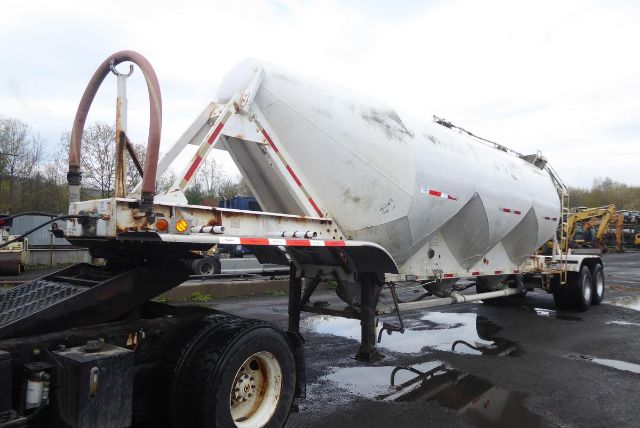
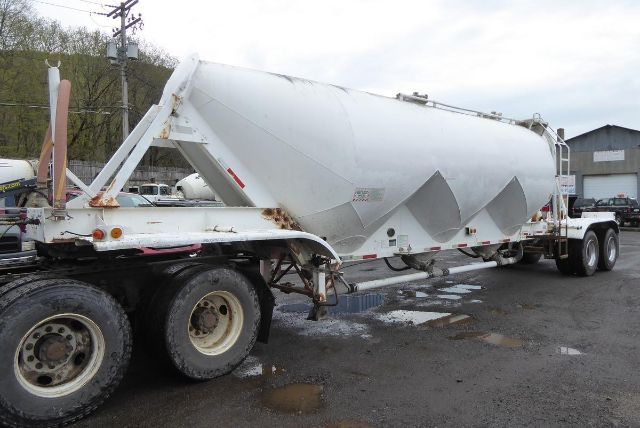
Have pneumatic - dry bulk trailer to sell? List it here to reach thousands of buyers.
About Pneumatic - Dry Bulk Trailers in New York
A good dry bulk trailer spec starts with the material being hauled. Dense products like cement and sand usually call for lower cubic capacity so the trailer can stay legal on gross weight, while lighter commodities can justify a larger barrel. Aluminum construction helps keep tare weight down, but many older and value-priced units use an aluminum-steel combination. Hopper count matters too. Three-hopper designs are common because they improve product flow and help reduce residual material during unload. In New York and the Northeast, buyers also pay close attention to corrosion, frame condition, brake components, air system integrity, and the condition of valves, piping, and manholes because winter road treatment can be hard on older trailers.
The unloading system is where a pneumatic bulk trailer earns its keep. Product line size, valve condition, aeration pads, and the integrity of the plumbing all affect how efficiently the trailer will move product from the tank to the customer’s silo. Some operations run tractor-mounted blowers, while others depend on plant or customer-supplied air, so it is important to match the trailer’s plumbing and pressure requirements to the job. Suspension type also affects operating cost and load protection. Spring ride is still found on many older dry bulk trailers, while air ride may be preferred for more sensitive commodities or fleets looking for a smoother ride and better control over dock and scale height.
Used pneumatic dry bulk trailers should be evaluated beyond basic age and appearance. Check the tank shell and hopper areas for repairs, thin spots, cracks, or signs of contamination from prior products. Verify tire size, wheel type, axle spacing, brake condition, and any available pressure test or maintenance records. Top hatches, gaskets, product lines, and discharge valves need to seal properly to maintain airflow and keep material dry. For buyers comparing listings, the most useful specs are cubic feet capacity, tare weight, number of hoppers, discharge pipe diameter, valve size, axle configuration, suspension, and trailer composition. Those details tell you far more about day-to-day usefulness than year model alone.
Frequently Asked Questions
What is a pneumatic dry bulk trailer used for?
A pneumatic dry bulk trailer is used to haul dry powdered or granular materials that can be unloaded with compressed air. Typical commodities include cement, lime, fly ash, sand, flour, sugar, and plastic pellets. The trailer uses sealed piping, hopper bottoms, and pressurized airflow to move product into a silo or storage system, which makes it well suited for job sites, plants, mills, and industrial delivery points where gravity dumping is not practical.
How do I choose the right capacity for a dry bulk trailer?
Capacity should be matched to the density of the product, not just the amount of space in the tank. Heavier commodities such as cement can max out legal gross weight before the trailer is physically full, so a lower cubic foot trailer may be the better choice. Lighter products such as plastic resin or some food-grade materials can use a larger cube trailer and still remain legal. Buyers should compare cubic feet capacity, tare weight, axle setup, and intended commodity before making a decision.
What should I inspect on a used pneumatic bulk trailer?
The most important inspection points are the tank shell, hopper sections, discharge plumbing, valves, manholes, aeration system, brakes, suspension, and wheel-end condition. Look for signs of corrosion, prior welding repairs, damaged piping, leaking seals, and worn valves that could reduce unloading efficiency or create contamination issues. Maintenance records, pressure testing history, and confirmation of prior commodities hauled can also be valuable, especially for food-grade or dedicated-product applications.
Are older spring ride dry bulk trailers still practical?
Yes, older spring ride dry bulk trailers can still be practical for many applications if the trailer is structurally sound and the discharge system is in good working order. Spring suspension is simple and durable, and it remains common on older bulk equipment. The tradeoff is ride quality and sometimes driver preference, since air ride can offer smoother handling and better protection for certain commodities or operating environments. The right choice depends on haul type, budget, and maintenance condition.
What discharge pipe and valve sizes are common on pneumatic dry bulk trailers?
Many pneumatic dry bulk trailers are equipped with product piping around 4 inches and discharge valves around 5 inches, although specifications vary by commodity and trailer design. These dimensions affect airflow, unload speed, and compatibility with customer facilities. Buyers should confirm that the trailer’s plumbing matches the blower setup and the receiving site’s connections so unloading can be done efficiently and without extra adapters or restrictions.