
Fruehauf Pneumatic - Dry Bulk Trailers For Sale in New York
Browse Fruehauf pneumatic dry bulk trailers built for cement, lime, sand, and other dry commodities with proven bulk tank design.
Learn more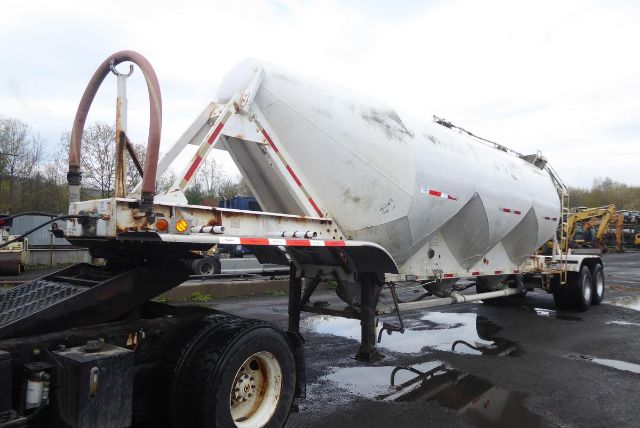
Have fruehauf pneumatic - dry bulk trailer to sell? List it here to reach thousands of buyers.
About Fruehauf Pneumatic - Dry Bulk Trailers in New York
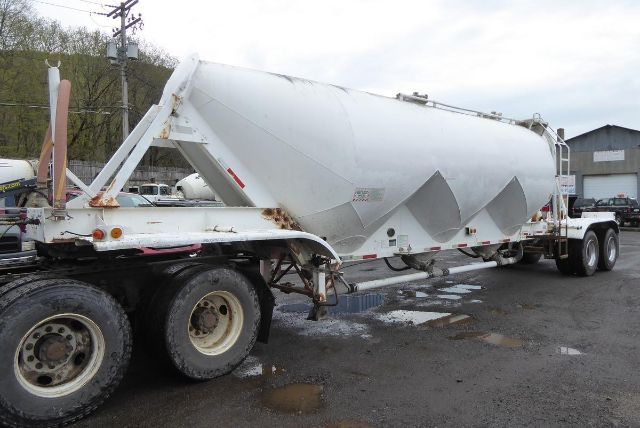
A lot of older Fruehauf dry bulk trailers were spec'd in the 40-foot range with tandem axles, spring suspension, aluminum and steel construction, and capacities around 985 to 1,000 cubic feet. Three-hopper layouts are common because they help product flow and improve unload control, especially on heavier materials. Buyers should pay close attention to product pipe diameter, valve size, top-fill openings, and the condition of the aeration system. A 4-inch product pipe and 5-inch product valves are typical on older units, but the right setup depends on commodity density, unloading time expectations, and blower compatibility.
Condition matters more than age on a pneumatic trailer. Tank integrity, signs of prior weld repairs, valve sealing, hopper cone wear, frame corrosion, suspension condition, and brake system service history all affect real operating value. On older Fruehauf units, it is also smart to inspect landing gear, crossmembers, airline routing, manhole covers, and the discharge cabinet area for fatigue or damage. Tire and wheel spec can matter if the trailer still carries low-profile 22.5 rubber or older wheel configurations, since replacement planning and parts availability should be part of the purchase decision.
For New York buyers, operating environment is a practical concern. Seasonal moisture, road salt, and Northeast corrosion can accelerate wear on frames, brake components, and plumbing hardware, so underbody inspection is essential. It also helps to confirm axle ratings, GVWR, overall height, and bridge-law suitability for the routes the trailer will run. A Fruehauf pneumatic dry bulk trailer can still be a productive bulk hauler when the tank is sound and the discharge system is right for the commodity, but the best purchase usually comes down to matching the trailer's capacity, weight, and plumbing spec to the material being hauled.
Frequently Asked Questions
What commodities are commonly hauled in a Fruehauf pneumatic dry bulk trailer?
Fruehauf pneumatic dry bulk trailers are commonly used for cement, lime, fly ash, sand, flour, plastic resin, and similar dry powdered or granular commodities. The exact material matters because commodity density, flow characteristics, and moisture sensitivity all affect the right cubic capacity, hopper design, and discharge plumbing. A trailer set up for cement may not be ideal for resin or food-grade material without the proper interior condition and compatible unloading system.
What should I inspect first on an older Fruehauf dry bulk trailer?
Start with the tank structure, hopper cones, discharge valves, product lines, and any visible weld repairs. After that, inspect the frame, suspension, brakes, axles, landing gear, and the condition of the top-fill lids and seals. On an older pneumatic trailer, air leaks, worn valves, corrosion around mounting points, and thin metal in high-wear discharge areas can turn a low purchase price into a costly repair cycle.
Is a three-hopper pneumatic trailer better than a two-hopper design?
A three-hopper design often gives better product flow and more controlled unloading, especially with heavier dry bulk materials. It can also help reduce residual product left in the tank after discharge. The best choice still depends on the commodity, unload site setup, and the trailer's total capacity, because some products and operations may work well with fewer compartments or a different cone arrangement.
How important are pipe and valve sizes on a dry bulk trailer?
Pipe and valve sizes are critical because they directly affect unload speed, airflow, and compatibility with your blower and commodity type. Older trailers commonly use a 4-inch product pipe and 5-inch product valves, which can be adequate for many bulk materials, but the ideal configuration depends on how the product conveys under pressure. If the plumbing is undersized or mismatched, unload times increase and product flow can become inconsistent.
Are older Fruehauf pneumatic trailers still practical for bulk hauling?
They can be, provided the tank is structurally sound and the running gear and discharge system are in usable condition. Many older Fruehauf trailers remain viable because dry bulk service rewards a solid tank, dependable valves, and proper maintenance more than cosmetic appearance. The real test is whether the trailer's empty weight, capacity, plumbing layout, and repair history fit the commodity and routes you plan to run.