
Mac Pneumatic - Dry Bulk Trailers For Sale in Colorado
Browse Mac pneumatic dry bulk trailers with common specs, hopper layouts, discharge setups, and material-handling features buyers compare.
Learn more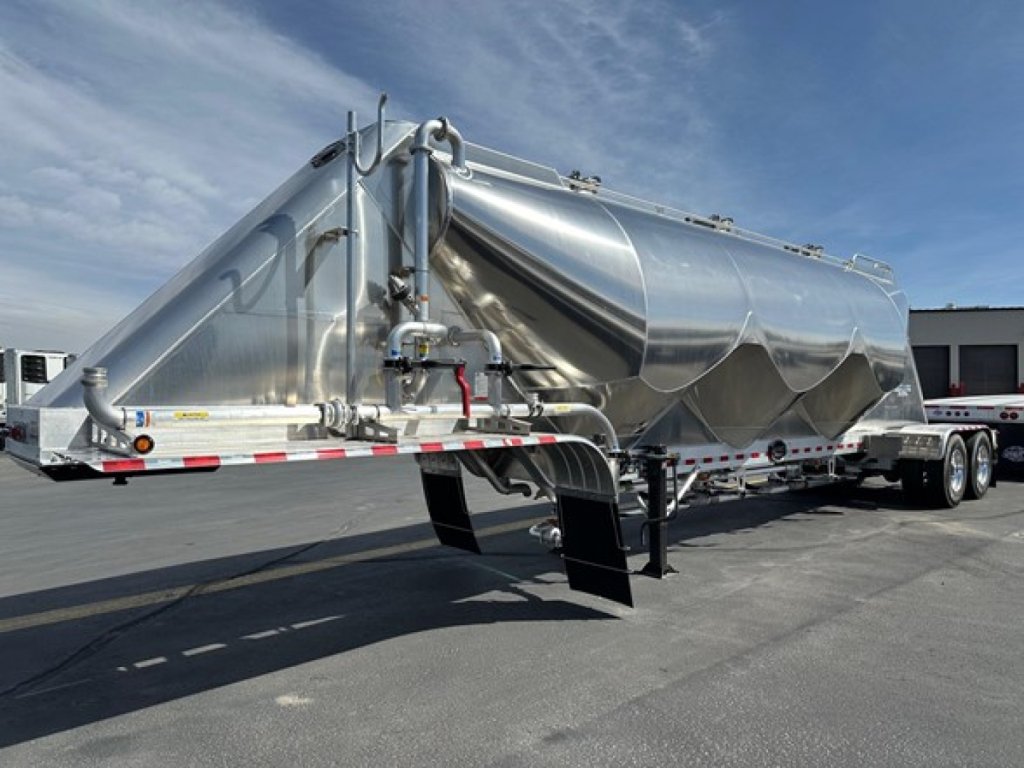
Have mac pneumatic - dry bulk trailer to sell? List it here to reach thousands of buyers.
About Mac Pneumatic - Dry Bulk Trailers in Colorado
For most buyers, the real comparison point is how the trailer fits the blower, plant, and route. Hopper slope, pipe routing, valve placement, and rear plumbing layout all affect cleanout time and product flow. Rear discharge is common on dry bulk pneumatics because it simplifies hookup and works well at many customer sites, but the exact manifold and aeration arrangement still matters if you handle multiple products. Features like adjustable couplers, 2-speed landing gear, work lights, rear ladders with safety rails, and fenders are more than convenience items. They affect day-to-day usability, driver safety, and how efficiently the trailer moves through loading and unloading cycles.
Mac is well known in the bulk trailer market for aluminum construction and practical spec packages that balance payload with durability. Buyers in Colorado and the surrounding mountain and plains markets often pay close attention to suspension, axle spacing, and wheel spec because terrain, weather, and plant access can be demanding. Closed tandem air ride suspensions are common when ride quality and product stability matter, and aluminum wheels help control weight while resisting corrosion. LED lighting, quality ladder access, and dependable lid and gasket sealing are worth close inspection on any pneumatic dry bulk trailer because moisture intrusion and air leaks can create expensive problems with powdered commodities.
A good buying decision in this class comes down to matching trailer volume and plumbing design to the material you actually haul. Light products such as cementitious powders may favor more cube, while heavier commodities can gross out before the trailer fills. Check the pressure system design, inspect hopper interiors and discharge components, and confirm the kingpin setting and overall dimensions work with your tractor and customer locations. Also known as dry bulk pneumatic trailers or bulk tank trailers, these units earn their keep on consistency. The right spec reduces unload times, limits residual product, and keeps the trailer useful across a wider range of accounts.
Frequently Asked Questions
What materials are commonly hauled in a Mac pneumatic dry bulk trailer?
Mac pneumatic dry bulk trailers are commonly used for cement, fly ash, lime, sand, mortar, and plastic pellets, along with other dry commodities that can be pneumatically conveyed. The exact material mix matters because bulk density affects how much of the trailer's cubic capacity you can actually use before reaching legal gross weight. Buyers should match the trailer's cube capacity, hopper design, and discharge plumbing to the products they plan to haul most often.
What does a 1,050 cubic foot pneumatic trailer mean in real-world hauling?
A 1,050 cubic foot rating refers to the trailer's internal volume, not its legal payload. In practice, that size is a common middle ground for dry bulk work because it offers enough cube for lighter powdered products while remaining versatile for many regional applications. Actual payload depends on commodity density, axle weights, tractor weight, and state regulations, so the best measure is whether the trailer cubes out or grosses out first with your primary material.
Why do hopper count and discharge layout matter on a dry bulk trailer?
Hopper count affects product flow, cleanout, and how evenly material moves to the discharge system. A three-hopper design is common because it gives good load management and unloading control across a wide range of dry bulk commodities. Discharge layout matters just as much because pipe routing, valves, and rear discharge configuration influence hookup time, unload efficiency, and how much residual material remains in the tank after delivery.
Is aluminum construction a good choice for pneumatic dry bulk trailers?
Aluminum is a popular choice in pneumatic dry bulk applications because it helps reduce tare weight and improve payload potential while offering strong corrosion resistance. That can be especially valuable in fleets that run long miles or operate in mixed weather conditions. Buyers should still inspect weld quality, tank integrity, suspension components, and high-wear areas because lower weight only pays off if the trailer remains structurally sound and easy to maintain.
What should I inspect first when comparing Mac pneumatic dry bulk trailers?
Start with the tank and unloading system. Check dome lids and seals, hopper interiors, aeration components, discharge valves, plumbing, and any signs of air leakage or material buildup. Then review suspension type, axle configuration, landing gear, kingpin setting, ladder and safety equipment, and lighting. A pneumatic trailer's value is tied closely to unloading performance, so a clean, tight pressure system is usually more important than cosmetic appearance alone.