
Heil Pneumatic - Dry Bulk Trailers For Sale in Colorado
Shop Heil pneumatic dry bulk trailers for cement, fly ash, sand, and lime hauling. Compare hopper layouts, discharge setups, and axle specs.
Learn more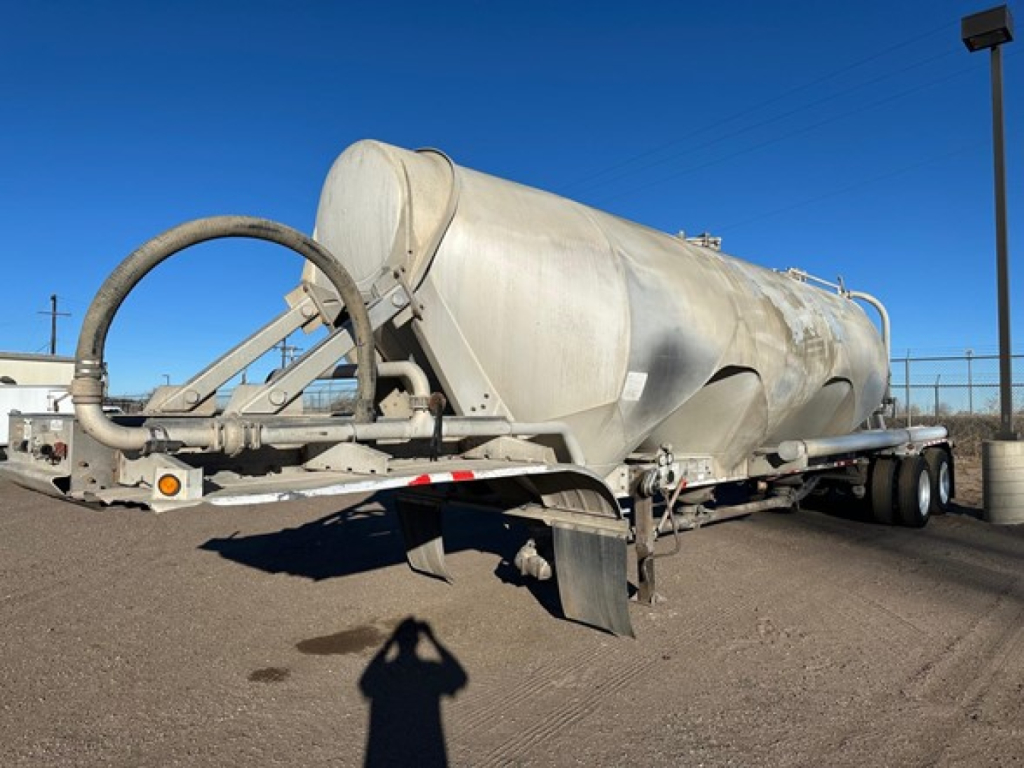
Have heil pneumatic - dry bulk trailer to sell? List it here to reach thousands of buyers.
About Heil Pneumatic - Dry Bulk Trailers in Colorado
The biggest buying decisions are cubic capacity, pressure system design, and unload efficiency. Lower-density commodities favor more cubic volume, while heavier products like cement and sand require a balance between legal payload and tank size. Many dry bulk trailers use multiple hopper compartments to improve product flow and cleanout, and rear discharge remains common for straightforward pneumatic transfer into silos or plant systems. Dome lid count, piping condition, valves, aeration pads, and blower compatibility all matter because unload speed is only as good as the trailer's air system. A buyer should also look closely at discharge plumbing wear, hopper cone condition, and evidence of product buildup or moisture intrusion.
Running gear and layout deserve just as much attention as the tank itself. Closed tandem axle configurations are common, and suspension choice affects both ride quality and maintenance cost, with air ride preferred in many fleets handling sensitive bulk loads. Tire size, wheel material, and brake condition should be evaluated alongside frame and substructure integrity, especially on older trailers that have seen repeated load cycles. Aluminum wheels, fenders, catwalk access, and safe ladder placement add practical value in day-to-day operation. In Colorado, elevation and route profile can also influence blower performance and tractor spec needs, so it is worth matching the trailer to the PTO, compressor, and horsepower available in the power unit.
For used Heil pneumatic trailers, condition is usually more important than age alone. Inspect barrel seams, suspension mounts, kingpin area, landing gear, and all product contact surfaces. Ask about prior commodities, washout practices, and any repairs to hoppers, piping, or pressure components. If the trailer will be dedicated to food-grade or resin service, cleanliness standards and contamination history become critical. A well-matched Heil dry bulk trailer can deliver strong uptime, fast unloads, and dependable payload performance when the tank design, discharge system, and running gear fit the commodity and route.
Frequently Asked Questions
What commodities are commonly hauled in a Heil pneumatic dry bulk trailer?
Heil pneumatic dry bulk trailers are commonly used for cement, fly ash, lime, sand, flour, sugar, plastic pellets, and similar dry products that can be moved by air pressure. The right trailer depends on product density, particle size, and how easily the commodity fluidizes during unloading. Heavier commodities usually require a different balance of cubic capacity and payload than lighter materials.
What should I inspect first on a used pneumatic dry bulk trailer?
Start with the pressure and discharge system, because unload performance is the core function of the trailer. Check valves, lines, aeration components, hopper cones, discharge plumbing, dome lids, and seals for wear, leaks, corrosion, or product buildup. Then inspect the barrel, kingpin area, suspension, brakes, tires, and landing gear to confirm the trailer is structurally sound and ready for regular bulk service.
Why does hopper count matter on a dry bulk trailer?
Hopper count affects product flow, unload efficiency, and cleanout. Multiple hoppers can help move material more consistently toward the discharge system and may reduce leftover product in the tank. The best setup depends on the commodity being hauled, how often the trailer switches products, and whether fast unloading or easy cleanout is the bigger priority.
Is rear discharge the best option for pneumatic dry bulk service?
Rear discharge is a common and practical setup because it supports straightforward unloading into many plant and silo systems. It simplifies hose connection and works well in a wide range of bulk applications. The best configuration still depends on customer equipment, site layout, hose routing, and the type of commodity being transferred.
Do Colorado operating conditions affect pneumatic trailer selection?
Yes. Colorado routes can include elevation changes, long grades, and weather swings that affect both tractor performance and pneumatic unloading. Higher elevation can influence blower efficiency and overall transfer performance, so the trailer should be matched to a tractor with the right PTO, compressor, and horsepower for the product being hauled and the terrain being covered.